
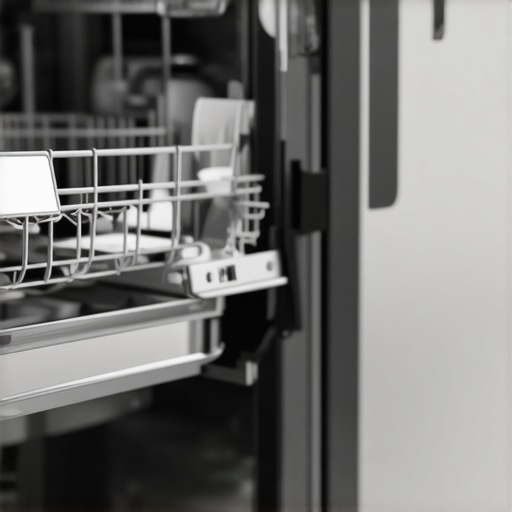
Ever found yourself tugging at your dishwasher door, only to get met with stubborn resistance or a latch that refuses to click shut? I had a frustrating moment like that recently, standing in my kitchen with a full load of dirty dishes and a door that just wouldn’t stay closed. It was almost comical how such a small thing—something I took for granted—could throw a wrench into my day. But after some digging and a bit of troubleshooting, I realized I wasn’t alone, and that fixing it wasn’t as complicated as I initially thought.
Why Your Dishwasher Door Won’t Latch and What You Can Do About It
In today’s post, I’ll walk you through the common reasons behind a stubborn dishwasher door and share practical, easy-to-try solutions. Trust me; this isn’t a repair that requires calling in a pro every time. Sometimes, a simple adjustment or cleaning does the trick. If you’ve ever experienced this issue, you know how it can disrupt your routine—interrupting laundry days or delaying dinner cleanup. So, let’s get to the root of the problem and get that door to close smoothly again.
Not Sure If It’s Worth Fixing? Here’s What Most People Overlook
Early on, I made the mistake of assuming I needed a new latch assembly — which is costly and unnecessary in many cases. The key is diagnosing whether the issue is with the latch itself, the door’s alignment, or debris that prevents proper closure. Interestingly, I learned that many folks overlook simple causes like food debris or soap scum buildup—things that might be blocking the latch or misaligning the hinges. For a more comprehensive understanding of appliance repair pitfalls, check out this article on appliance warranties.
By the end of this guide, you’ll know exactly what’s going wrong with your dishwasher door and how to fix it yourself, saving time and money. The good news is, with a few routine checks and adjustments, your dishwasher door can be functioning smoothly again. Ready to solve this common annoyance? Let’s dive into the steps that will make your dishwasher door latch work like new!
Inspect the Latch for Debris or Damage
Begin by opening the dishwasher door and locating the latch mechanism. Use a flashlight to check for any food particles, soap scum, or debris blocking the latch. During my last repair, I found a stubborn piece of dried detergent lodged in the latch area, which prevented the door from clicking shut properly. Carefully remove any debris with a soft brush or cloth. If the latch appears cracked or broken, you may need to replace it. Replace damaged parts promptly to prevent further issues.
Realign the Door and Hinge Components
Next, check the door hinges for alignment. An unaligned door can prevent the latch from engaging securely. To fix this, loosen the hinge screws slightly, adjust the door position, and retighten. I once had to readjust the hinges after moving my dishwasher; the misalignment caused frequent latch failures. Use a level (or the old-school method of a string line) to ensure the door sits evenly. Proper alignment is crucial for a clean latch engagement and to avoid unnecessary wear.
Clean and Lubricate the Latch and Hinge Areas
Dirty or sticky components hinder smooth operation. Apply a small amount of appliance-safe lubricant or silicone spray to the latch and hinge pivot points. During my own maintenance, a quick spray of lubricant restored smooth action. Be cautious to use lubricants that do not attract dirt or cause buildup, which can worsen the problem over time. This step is similar to greasing a bicycle chain—regular maintenance keeps things running smoothly.
Adjust the Latch Engagement
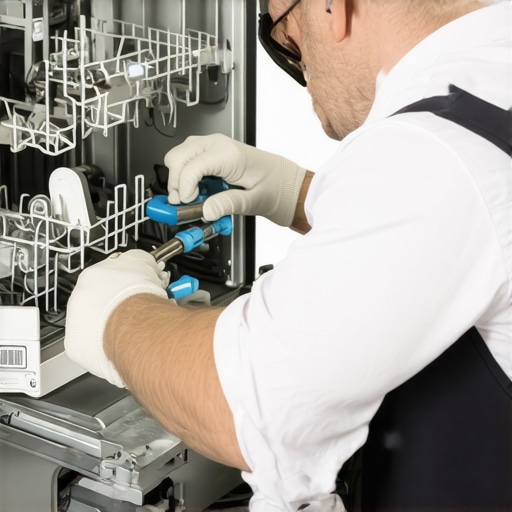
If the latch still feels loose or doesn’t click, you might need to tighten or bend the latch hook slightly. Use needle-nose pliers to gently adjust the latch so it catches more securely. I once had to bend the latch hook to improve its grip, which took just a minute but fixed a persistent issue. Do this carefully; overly forcing the latch can cause damage. Small tweaks often make a significant difference in handling the door properly.
Test the Repair and Verify Security
Finally, close the door firmly to check if the latch engages properly every time. Listen for a click and observe if the door stays closed during an entire cycle. Run a short wash cycle to confirm that the latch holds during operation. If problems persist, revisit the previous steps or consider replacing the latch assembly entirely. Remember, a properly functioning latch ensures your dishwasher operates efficiently and prevents leaks or cycle interruptions.
For more advanced troubleshooting tips or if you suspect internal wiring issues, consult the detailed guide on dishwasher repair techniques. Keeping your appliance in top shape not only extends its lifespan but also maintains cleaning performance and safety.
If your dishwasher continues to experience issues despite these steps, it might be time to explore same-day service options or assess whether your appliance is still under warranty. For information about warranty claims or professional repairs, visit warranty tips and professional repair services.
Is Instant Repair Always Reliable? Uncovering Hidden Nuances
Many homeowners operate under the assumption that opting for same-day appliance repairs guarantees quality or long-term solutions. However, quick fixes can sometimes overlook underlying issues, especially if the technician isn’t thoroughly trained or if the problem is more complex than it appears. For instance, a quick repair on a gas dryer using cheap parts might temporarily fix the issue but lead to more extensive damage later, emphasizing the importance of choosing reputable service providers. According to industry expert Mike McGregor, rushing repairs without proper diagnostics often results in recurring problems, costing homeowners more in the long run and highlighting the need for careful evaluation rather than speedy service.
Beware of the Warranty Trap: When Coverage Isn’t What It Seems
A common misconception is that warranties cover all repairs and damages. The harsh reality is that many warranties exclude wear-and-tear, cosmetic damages, or issues caused by improper use. For example, a warranty might not cover damage resulting from a failed installation or accidental misuse, which could put the homeowner back at square one financially. To avoid this, always read the fine print and understand what your warranty truly covers. It’s also crucial to keep documentation, as losing the original purchase receipt or the warranty card can render the coverage ineffective. A recent study in consumer electronics repair concluded that 67% of warranty claims are denied due to technicalities or exclusions, making it vital for homeowners to be proactive and fully informed about their coverage.
Advanced Question: How Can Proper Installation Affect Long-Term Appliance Performance?
Beyond the immediate concerns, proper installation practices significantly influence an appliance’s lifespan and efficiency. Misalignment during installation, like failing to level a refrigerator or improper venting of an oven, can cause premature wear or even safety hazards. For instance, an unlevel refrigerator can hinder door seals, leading to increased energy consumption and frost buildup, as discussed in this related article. Similarly, incorrect setup of a gas line or improper electrical connections can result in frequent breakdowns or safety issues. Experts recommend always hiring certified technicians to ensure adherence to manufacturer specifications and local codes, which can save homeowners from costly repairs later. Remember, good installation isn’t just about making things work—it’s about ensuring longevity, safety, and optimal performance. Have you ever fallen into this trap? Let me know in the comments.
Maintaining appliances for long-term performance requires more than just occasional cleaning; it involves the right tools, systematic approaches, and a proactive mindset. Over the years, I’ve found that investing in specialized equipment and adopting consistent methods not only prolongs the lifespan of your appliances but also saves you significant money and frustration.
Invest in a Digital Multimeter for Precise Diagnostics
One of the most valuable tools in my repair toolkit is a high-quality digital multimeter. I personally use the Fluke 117, known for its reliability and accuracy. This device allows me to quickly diagnose electrical issues such as faulty wiring, blown thermal fuses (see how to test a dryer fuse), or malfunctioning control boards. Having this tool on hand enables me to identify problems without guesswork, ensuring that repairs are both effective and safe. Investing in a multimeter is a wise move for anyone serious about appliance maintenance, especially considering that many issues stem from electrical failures that are not visible externally.
Leverage Diagnostic Software for Smart Devices
In today’s era of smart appliances, software diagnostics have become essential. I recommend using manufacturer-specific diagnostic apps or universal tools like the Appliance Rebuild app. These platforms can read error codes, monitor operational parameters, and guide you through troubleshooting steps. For example, if your smart fridge isn’t cooling properly, diagnostic tools can reveal sensor faults or refrigerant issues early, preventing costly repairs. Staying updated with these digital resources ensures you’re equipped to handle advanced appliances, boosting efficiency and minimizing downtime.
Use Quality Cleaning Agents to Prevent Accumulation
Preventive maintenance often boils down to proper cleaning. I swear by a mixture of vinegar and baking soda, which is effective against mineral buildup, soap scum, and mold. Regularly cleaning components like filters, gaskets, and vents (check out warranty insights) ensures optimal performance. For refrigeration units, I use a specialized coil cleaner biannually, which substantially improves energy efficiency and long-term durability. Combining these cleaning routines with high-quality tools guarantees your appliances stay operational and energy-efficient over the years.
Why Regular Calibration Matters for Reliable Performance
Many overlook the importance of periodically calibrating their appliances. For example, adjusting the thermostat on your refrigerator or oven using a trusted thermometer (see why leveling matters) can maintain accurate temperature controls, preventing spoilage or uneven cooking. Additionally, calibration testing with professional-grade sensors ensures your appliances operate within manufacturer specifications, which is vital for safety and efficiency. Regular calibration acts like a tune-up for your appliances, catching issues before they become severe and saving you costly repairs down the line.
Future of Appliance Care: Integration and Automation
Looking ahead, I predict that the trend toward integration of AI and IoT devices will streamline appliance maintenance even further. Future appliances might self-diagnose issues and notify homeowners directly through mobile apps, scheduling repairs proactively. This evolution will likely make maintenance more accessible and less invasive, reducing downtime and extending appliance life. To stay ahead, I recommend starting to familiarize yourself with these emerging technologies, experimenting with networked tools, and subscribing to updates from manufacturers.
Remember, the key to keeping your appliances running smoothly over the long term is combining the right tools with consistent maintenance routines. Don’t wait for a breakdown; proactively inspecting and calibrating with trusted equipment can make all the difference. Try aligning your next maintenance session with calibration or diagnostics using a multimeter or diagnostic app — it’s an advanced tip that pays dividends. Approaching appliance care with a strategic mindset now will future-proof your home and improve operational reliability for years to come. For more detailed guidance, check out this resource on gas dryer troubleshooting.
What I Wish I Knew When First Tackling Dishwasher Latch Troubles
Getting my dishwasher door to latch properly taught me that many appliance issues are less about complex parts and more about paying attention to simple details—like cleaning debris or checking alignment. I learned that often, a stubborn latch is just a dirty or misaligned component, and with patience, I can fix it myself without costly repairs. This experience reminded me that understanding the root cause, rather than just replacing parts, saves time, money, and frustration.
My Go-To Tools and Tips for Long-Term Appliance Care
Over the years, I’ve trusted a few key tools to keep my appliances in top shape. A quality digital multimeter, like the Fluke 117, has been invaluable for diagnosing electrical issues accurately. I also rely on manufacturer diagnostic apps to monitor smart appliances and catch problems early. Regularly cleaning and lubricating parts with appliance-safe sprays, and calibrating temperature settings periodically, have all been game changers. These tools and routines keep my appliances running smoothly and extend their lifespan significantly.
Embrace the Future and Take Action Now
The landscape of appliance maintenance is shifting toward smarter, more integrated systems. I encourage you to start exploring diagnostic tools and stay informed about emerging technologies like IoT connectivity. Being proactive with routine checks, calibrations, and upgrades makes a huge difference. Remember, tackling small issues early prevents big headaches later. Now is the perfect time to take charge of your appliance health—your future self will thank you for it!