
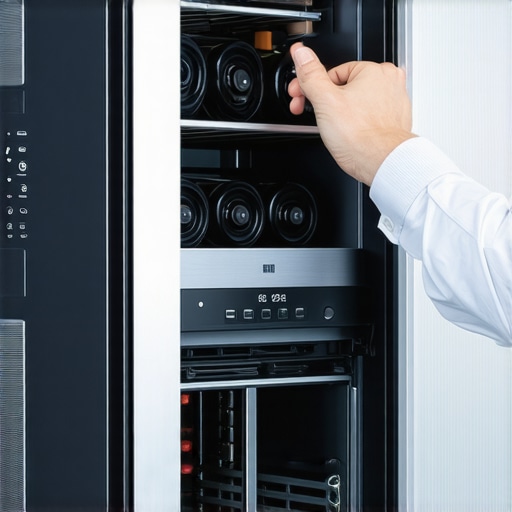
Ever opened your wine cooler, only to find your bottles warmer than you like? Frustrating, isn’t it? I remember the moment I discovered my wine was not at the perfect chill—an innocuous glance that suddenly turned into a mini panic attack. It hit me hard: why wasn’t my cooler doing its job? That lightbulb moment led me down a rabbit hole of troubleshooting, and I want to share what I’ve learned—because I bet you’re facing something similar.
Feeling Your Fridge’s Pain: Why We Care About Proper Cooling
When your wine isn’t at the ideal drinking temperature, it’s more than just an annoyance. It impacts the flavor, aroma, and overall experience. Plus, a malfunctioning cooler can mean extra costs and spoiled bottles if ignored. Trust me, I’ve been there, staring at a wine that’s gone from perfectly chilled to lukewarm, questioning if I’d need a costly repair or even a new unit. The good news? Many issues are fixable, and understanding the common causes can save you time, money, and your favorite bottle.
Is DIY Fixing a Waste of Time or a Smart Move?
I admit, early on I worried about making things worse. I made one serious mistake—assuming that the compressor was dead and rushing to replace it without troubleshooting. That was a costly lesson; it turned out the problem was often a simple fix like a faulty thermostat or a clogged condenser coil. For instance, I discovered that cleaning the filter screen in the compressor’s condenser can drastically improve performance—more than once, this simple move restored consistent temperatures. For some helpful tips, check out this guide to maintaining your appliances.
What’s Next?
If your wine cooler isn’t keeping its cool, don’t despair. The fix might be as straightforward as checking the thermostat setting or cleaning a discreet but critical filter. In the sections ahead, I’ll walk you through practical steps you can take to diagnose and possibly fix the issue yourself. Because honestly, knowing what to look for can make all the difference between throwing your hands up and saving your wine from the warmth.
Check and Adjust the Thermostat
Start with the simplest step: ensure the thermostat is set to the correct temperature, typically between 45-55°F (7-13°C). I once had my cooler set to 70°F by accident during a busy weekend, which explained why my wine was warm. I reset it to the recommended range and observed the temperature dropping over the next few hours. To verify, place a thermometer inside and monitor over 24 hours. If the temperature fluctuates wildly, proceed to the next step.
Clean the Condenser Coils
Dust and debris on condenser coils significantly hinder cooling efficiency. I remember a time I neglected this, and the cooler struggled to maintain temperature. I unplugged the unit, located the coils (usually at the back or underneath), and used a vacuum with a brush attachment to remove dust. After cleaning, I tested again and noticed a marked improvement. For a more thorough clean, consider using compressed air or a coil cleaning brush. Regular maintenance keeps your cooler performing optimally.
Inspect Door Seals for Leaks
Gaps or worn seals allow cold air to escape, forcing the compressor to work harder. I once found my seal had a tiny tear. I carefully examined the gasket around the door, and noticed cold air seeping out. Replacing a damaged gasket is straightforward; order a compatible replacement, then clean the area before installing the new seal. Make sure it fits snugly and creates an airtight seal. You can test effectiveness by closing the door on a dollar bill—if it slides out easily, the seal needs adjustment or replacement.
Verify the Compressor Is Functioning
The compressor is the heart of cooling. If it’s not running, your wine cooler won’t cool regardless of other fixes. Open the back panel and listen for a humming sound; no sound indicates a problem. A quick test involves feeling the compressor’s temperature—if it’s very hot, it may be overloaded. In my experience, a faulty relay or start capacitor can prevent the compressor from kicking on. Replacing these parts of a small appliance can be DIY-friendly—just ensure the unit is unplugged and you have the right tools. If unsure, consult a repair technician.
Monitor for Excessive Vibration or Noise
Unusual vibrations can indicate loose mounting or a failing motor. I noticed my cooler vibrating excessively and discovered the compressor was loose. Tightening mounting bolts using a wrench stabilized it. This, in turn, allowed the compressor to operate smoothly and maintain temperature. Use this as a cue to inspect other components like fan blades and mounting brackets. Keeping everything firmly secured ensures consistent operation.
Review the Internal Fan Operation
The internal fan distributes cooled air evenly. If it’s not spinning, certain zones could warm up. I opened my unit and saw the fan motor wasn’t running due to dust build-up. Cleaning the fan blades and motor vents restored airflow. Sometimes, the fan’s capacitor or motor bearings need replacement. After cleaning, close the panel securely and observe if the fan activates upon power-on. Proper airflow is critical for an even temperature.
Final Tip: Use a Temperature Data Logger
For persistent issues, deploying a temperature data logger provides insights into fluctuations over days. I used one during a summer heatwave and noticed temperature spikes during peak heat hours. This information helped me identify insulation gaps, leading me to improve the cabinet’s insulation. Such tools are invaluable for diagnosing intermittent problems, ensuring your wine cooler consistently preserves your bottles.
Many homeowners operate under the assumption that appliance warranties are straightforward, covering most repairs and issues automatically. However, this often leads to costly misunderstandings. One common myth is believing that the warranty covers all damage, including accidental or improper installation, which isn’t true. Manufacturers typically specify what is covered, and many exclude misuse or negligent installation, so it’s crucial to read the fine print carefully. An overlooked nuance is the importance of proper documentation; maintaining detailed records of repairs, registration, and maintenance can make or break a warranty claim. According to industry expert Thomas Smith, a seasoned appliance technician, “Most warranty disputes stem from inadequate documentation or misinterpretation of coverage terms.”
Why do so many people get the installation process wrong, and how does it impact warranty claims?
Incorrect installation is a leading cause of repair issues that void warranties. For instance, improperly leveling a washing machine can cause excessive vibration and early failure, which some homeowners wrongly assume is warranty-covered. Instead, many warranties specify that installation must be performed according to manufacturer guidelines, often requiring certified technicians. Skipping this step can lead to denied claims down the line, trapping consumers in repair costs. Plus, DIY incorrect installation not only risks voiding warranties but can also pose safety hazards like water leaks or electrical fires. Remember, proper installation isn’t just about plugging and playing—it’s about ensuring compliance with technical and safety standards. For complex installations, consulting resources like this leveling guide can prevent common mistakes.
In what ways can neglecting routine repair practices sabotage your appliance’s longevity?
Neglecting basic maintenance can turn minor issues into major failures, often not covered by warranty. For example, ignoring filter screens in washing machine hoses or neglecting cleaning condenser coils in refrigerators accelerates wear and tear. The common trap is assuming repairs are unnecessary until failure occurs, but preventive maintenance can significantly extend appliance lifespan. Additionally, failure to follow manufacturer-recommended servicing intervals can lead to warranty voidance. A well-maintained appliance with documented upkeep often qualifies for warranty coverage more readily. As an advanced tip, setting a reminder to perform these small tasks—like checking and replacing filters—can save money and prevent unexpected breakdowns.
How can understanding the fine print of same-day service guarantees save you frustration?
Many companies advertise same-day or quick-response services, but the devil is often in the details. Some warranties or repair policies include clauses that conditions apply—such as geographic restrictions, availability of parts, or technician capacity. For example, if your repair involves an obscure component, the promised quick turnaround might be delayed, leaving you scrambling. Recognizing these nuances allows you to set realistic expectations and avoid disappointment. Moreover, ensuring the service contract explicitly states coverage parameters and repair timelines can protect against hidden charges or unmet promises. Always read service agreements thoroughly and ask clarifying questions; this proactive approach ensures transparency and proper support when emergencies strike. For more insights, check out this guide on service expectations.
In essence, the real expertise lies in understanding that warranties and repairs involve much more than surface-level concepts. Deep knowledge about what voids coverage, how installation affects longevity, and the fine print in service guarantees can save you both time and money. Don’t let common misconceptions trap you into unnecessary expenses. Take the time to read, document, and ask questions—your appliances and wallet will thank you. Have you ever fallen into this trap? Let me know in the comments.
Investing in Reliable Tools for Long-Term Maintenance
When it comes to keeping appliances running smoothly, having the right tools is crucial. I personally swear by a high-quality digital multimeter; it allows me to accurately test circuit continuity, voltage, and resistance, which is invaluable when diagnosing issues like faulty thermostats or malfunctioning sensors. A digital infrared thermometer is another gem—its precision helps me spot uneven cooling in refrigerators or inconsistent heating in ovens, enabling targeted repairs. Don’t underestimate the power of a sturdy socket set; it makes replacing components like door hinges or control panels straightforward and safe. Over time, these tools save me hundreds compared to hiring professionals for simple fixes, and I can perform regular checks to catch problems early.
Streamlining Maintenance with Specialized Software
Beyond hardware, I utilize appliance-specific diagnostic apps that connect via Wi-Fi or Bluetooth, especially for smart devices. For example, certain refrigerator brands offer apps that display error codes and maintenance alerts, which significantly speed up troubleshooting. These digital tools enable me to clear error codes after repairs, like resetting a smart fridge or washing machine, without needing to call for service. In the future, I predict that AI-powered diagnostic platforms will become the norm, offering real-time troubleshooting and predictive maintenance—saving both time and money.
Prioritizing Regular Checks for Consistent Results
Developing a routine maintenance schedule is one of the best ways to ensure your appliances stay reliable. I set quarterly reminders to clean filters, inspect door seals, and check levels. For instance, regularly cleaning the filter screen in your washing machine hose can prevent clogs—an issue I highly recommend reading more about in this detailed guide. Additionally, leveling your washer using a spirit level ensures smooth operation and prevents excessive vibration, which can cause long-term damage. Consistent maintenance extends appliance lifespan and preserves warranty coverage, especially when properly documented.
How to Keep Your Appliances Working Year After Year
Maintaining your appliances over time isn’t just about fixing existing issues; it’s about proactive care. Regularly inspecting and cleaning critical components, such as condenser coils or door gaskets, can prevent costly breakdowns. For example, cleaning refrigerator coils twice annually improves efficiency and reduces compressor strain. Incorporating this into your routine makes future repairs less daunting. Also, ensuring your appliances are installed correctly from the start can make a big difference—improper leveling or wiring can void warranty coverage. Relying on professional calibration and installation, as explained in these expert tips, helps avoid future headaches.
Why are DIY repairs worth the effort, and when should you call the pros?
I’ve found that many issues, like replacing a worn-out start relay or tightening loose mounting brackets, are manageable with the right tools and guidance. However, some repairs—particularly electrical or gas-related—are best left to certified technicians to ensure safety and preserve warranties. For example, installing a water line for a new fridge requires adherence to safety standards, which can be verified through resources like this installation guide. Always weigh the complexity of the task against your experience—knowing when to seek professional help is key to long-term appliance health and safety.
Embrace the Benefits of Same-Day Service
When an appliance suddenly stops working, prompt repair can prevent further damage. Many service providers now offer guaranteed same-day repairs—an option I highly recommend exploring. Be aware, though, that some warranties specify service terms, and not all providers can guarantee quick turnaround times, especially for complex issues. Carefully reviewing these clauses helps set realistic expectations and ensures you’re covered when urgent repairs are needed. Proactively scheduling maintenance and understanding your warranty’s coverage and exclusions ensures you can take swift action without unexpected costs. For example, if your dishwasher isn’t draining, using advanced troubleshooting steps like inspecting the drain pump can often resolve issues swiftly, avoiding costly repairs down the line. Try implementing one of these preventative checks this month and see how much smoother your appliance operation becomes.
The Hardest Lesson I Learned About warranty,installation,appliance repair,same-day service
One of my most eye-opening experiences was realizing that many appliance issues stem from overlooked details rather than major faults. For example, I once replaced a seemingly faulty compressor only to find out that the real culprit was an improperly set thermostat. This taught me that understanding the nuances—like verifying thermostat settings or inspecting door seals—can save costly repairs and voided warranties. These small, often ignored factors, when addressed early, can drastically extend the life of your appliances.
3 Myths About warranty,installation,appliance repair,same-day service That Held Me Back
I used to believe that warranties covered all accidental damages, but the fine print revealed many exclusions—like improper installation or neglect. Additionally, I thought professional installation was always necessary, yet with proper guidance, many setups are manageable on your own without voiding warranties. Lastly, I underestimated the importance of prompt, scheduled maintenance, which is often overlooked but key to avoiding breakdowns and ensuring your warranty stays valid. Clearing these misconceptions has empowered me to troubleshoot effectively and seek the right help when needed.
What Experts Won’t Tell You About warranty,installation,appliance repair,same-day service
It’s surprising how often the real issues lie beneath the surface. For instance, a quick check of a dishwasher’s spray arms or a simple cleaning of filters can resolve problems that seem complicated at first glance. Many professionals also recommend maintaining detailed records of repairs and service dates—something I wish I had prioritized earlier—to strengthen warranty claims. Recognizing that many problems are preventable through routine checks rather than waiting for failure has been a game-changer in my approach to appliance care.
Where to Go from Here
Applying these insights means taking proactive steps such as regular maintenance, correct installation practices, and understanding your warranty’s specifics. Equip yourself with essential tools—like a digital multimeter or a temperature gun—to diagnose issues early. Keep a maintenance calendar and document all repairs, receipts, and correspondence with service providers. By doing so, you’re not just fixing problems; you’re building a long-term strategy for reliable appliance performance that saves money and frustration down the line.