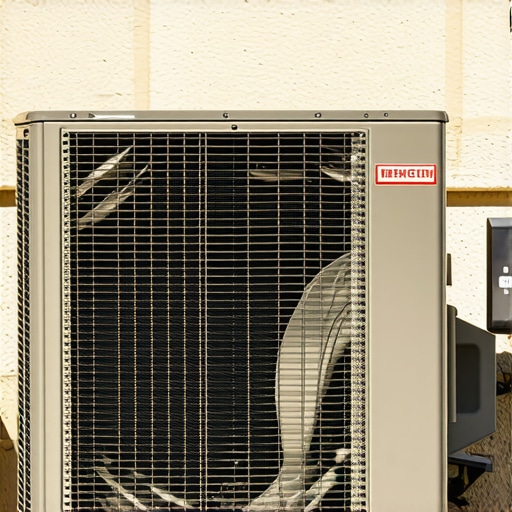
Ever had that frustrating moment when your brand-new AC unit kicks on loud and then quickly shuts off again, leaving your house neither cooling down nor staying warm? I remember thinking I’d made a smart investment in comfort, only to find myself battling a temperamental system that seemed to have a mind of its own. Trust me, I’ve been there. That lightbulb moment when I realized my shiny new AC wasn’t broken but just misunderstood was a game-changer. If you’ve experienced this too, you’re not alone.
Unraveling the Mystery of Constant Cycling
Many homeowners face the perplexing issue of their AC constantly cycling on and off. It’s not just annoying; it’s inefficient and can even lead to higher energy bills. Fortunately, understanding why your AC behaves this way can save you a lot of headaches—and money. From personal experience, I learned that most of these issues stem from simple, fixable causes like thermostat placement, air filter cleanliness, or wiring quirks. Today, I promise to share proven tips to troubleshoot and resolve this common problem, so your cooling system runs smoothly during those sweltering months.
Is Your AC Worth the Trouble or Is It Time for a New One?
Early in my struggle, I made the mistake of ignoring minor symptoms—thinking it was just a quirk. But overlooking these signs can lead to bigger, costly repairs down the line. I learned that proper maintenance and diagnostics can extend your AC’s lifespan significantly. Want to avoid unnecessary replacements? Let’s dig into the common culprits behind these frustrating cycling patterns, helping you save both time and money. If you’re curious about other appliance issues, check out [this article](https://discountappliancehub.com/why-your-ac-blower-fan-is-still-running-when-the-air-is-off) for insights into AC troubleshooting and maintenance. Ready to get your AC back in sync? Let’s dive into the solutions.
Assess the Thermostat Placement Carefully
Start by checking if your thermostat is positioned correctly. If it’s placed near a vent or in direct sunlight, it may send false readings, causing your AC to cycle excessively. I once found mine right next to a lamp, leading to constant rapid cycling. Moving it to a shaded, central location fixed the problem immediately. Use a level to ensure it’s mounted correctly, avoiding hot spots that skew temperature readings.
Replace or Recalibrate Your Thermostat
If your thermostat is outdated or faulty, replacing it might be the solution. For better accuracy, consider a programmable model with calibration features. I replaced my old unit with a smart thermostat that adapts to my schedule. Before installing, follow the manufacturer’s calibration instructions—most units require a simple process to match room temperature accurately. Proper calibration prevents unnecessary cycling caused by inaccurate readings.
Change the Air Filter Regularly
A dirty air filter restricts airflow, causing your system to overwork and cycle rapidly. I kept forgetting to replace mine until I noticed poor airflow and frequent cycling. After installing a new filter, the cycling reduced significantly. Check your filter monthly and replace it at least every 30 days during peak usage. To change it, locate the filter compartment, remove the dirty filter, and insert a new one, ensuring the arrows point correctly following the airflow direction.
Inspect and Fix Wiring Connections
Loose or frayed wires can send inconsistent signals, prompting the AC to turn on and off. I once noticed flickering wires behind my unit, causing erratic behavior. Turn off the power at the breaker before inspecting wiring. Tighten any loose connections using a screwdriver and replace damaged wires or connectors. If you’re unsure, consult an HVAC professional to avoid electrical hazards.
Examine the Compressor and Refrigerant Levels
Low refrigerant or a malfunctioning compressor can cause the system to short cycle. I had a technician check mine; he noted low refrigerant levels that needed topping up. Proper refrigerant charge allows the compressor to operate smoothly. Avoid DIY refrigerant handling—professional service is necessary here. Regular maintenance ensures your system stays in optimal condition, preventing cycling issues caused by compressor overload.
Address Short-Cycling through Proper System Sizing
An undersized or oversized AC unit causes frequent cycling. When I installed a new AC, I realized it was slightly larger than recommended for my space, leading to rapid on/off cycles. Always have a professional perform load calculations to determine the correct unit size for your home. This measurement considers insulation, window size, and other factors, ensuring your AC runs efficiently without unnecessary cycling.
Secure Proper Drainage and Cleanliness
Consult a Professional When in Doubt
When simple troubleshooting fails, or you’re unsure about any step, reaching out to a licensed HVAC technician is the safest approach. They can accurately diagnose issues like faulty sensors or compressor problems that aren’t evident through basic inspections. Remember, attempting complex repairs without proper knowledge can lead to costly damage or personal injury.
Implement these steps carefully, and you’ll likely restore your AC’s efficiency, reducing those annoying on-off cycles and saving on energy costs. For more appliance troubleshooting tips, explore this guide addressing common AC blower issues. Keep your system running smoothly by maintaining it regularly and addressing problems promptly.
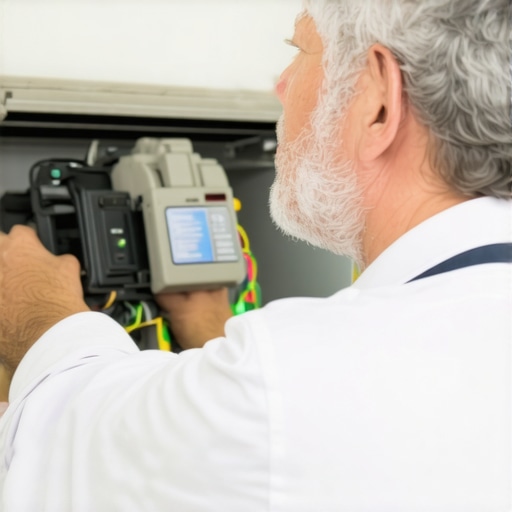 When it comes to appliance repair, many homeowners operate under misconceptions that can lead to costly mistakes and unmet expectations. One common myth is the belief that all technicians or repair services are created equal. In reality, the level of expertise varies widely, and opting for the cheapest or most readily available service can backfire. For instance, choosing a generic technician without proper certifications might save money short-term but can result in improper repairs that cause recurring problems. To ensure quality service, always verify if your technician is certified and experienced, especially for complex repairs like fridge water line installations or oven calibrations.
Another prevalent misunderstanding involves the scope of same-day repair promises. While many companies advertise quick turnaround times, actual availability can be limited, and emergency appointments may come with additional costs. Rushing into a repair without proper diagnostics often leads to wasted time and money. For example, attempting a DIY fix on nuanced issues like sensor faults in your smart devices or heater malfunctions can cause more harm than good. Instead, trusting professionals who can accurately diagnose and address the root cause—such as a faulty thermistor or a calibration issue—is essential for a durable fix.
Many people underestimate the importance of understanding appliance warranties. A common mistake is neglecting to read the fine print or assuming warranties cover all repairs. Some assume that calling a repair service voids their warranty when, in fact, authorized repairs might be required to maintain coverage. For example, incorrectly installed water lines or neglecting routine maintenance can void warranties on appliances like refrigerators or ovens. It’s vital to familiarize yourself with warranty policies and keep documentation of repairs to prevent voiding coverage.
Now, let’s address a question that often confuses even experienced DIYers: How do you know when to call a professional versus attempting a repair yourself? The rule of thumb is that if the repair involves complex electrical components, refrigerant handling, or critical safety features, it’s best to leave it to experts. Mishandling appliance parts or refrigerants can be dangerous and may violate safety regulations. For example, working on a gas range without proper training can lead to leaks or explosions. Always weigh the risk and consider professional service, especially for issues like a fridge’s defrost system failure or a dishwasher that stops mid-cycle.
Be wary of the ‘too good to be true’ warranties and service promises. Some companies offer enticing warranties or guarantees that are riddled with exclusions. Always read the fine print—certain warranty coverages might exclude parts like gaskets or accessories or require specific maintenance routines. For example, a warranty might only be valid if you have regular professional inspections, which can be easily overlooked.
Lastly, avoid the trap of ignoring small issues, thinking they’ll resolve themselves. Small leaks, unusual noises, or inconsistent performance often indicate underlying problems that can evolve into major failures if not addressed early. Regular inspections and maintenance, such as cleaning the secret drain valve or calibrating thermostats, save money in the long run.
In conclusion, understanding the nuances of appliance repair and service can help you avoid costly pitfalls and ensure longevity for your appliances. Don’t fall into the trap of misconceptions—arm yourself with knowledge, verify your service providers, and don’t hesitate to seek professional help when needed. Have you ever fallen into this trap? Let me know in the comments. For more tips, check out our guide on why your electric stove burner only works on high, which illustrates the importance of proper diagnosis over simple assumptions.
Investing in Reliable Equipment and Methods
Keeping your appliances running smoothly over years requires more than just quick fixes; it demands the right tools and a solid maintenance routine. Personally, I swear by a quality digital multimeter like the Fluke 117 for electrical diagnostics because its precision helps me identify wiring issues swiftly and avoid costly errors. When dealing with thermostats, I utilize an infrared thermometer to confirm temperature accuracy quickly, preventing miscalibration that could lead to higher energy consumption or damage. For cleaning components like drain valves or filters, I rely on specialized brushes and ultrasonic cleaners for thorough, non-invasive maintenance. These tools not only ensure longevity but also boost efficiency—saving you money and frustration over time.
Predicting Future Trends in Appliance Care
As technology progresses, I predict smart diagnostic tools and IoT-enabled devices will become standard in appliance maintenance. Imagine sensors that alert you to issues before they escalate or apps that guide you through repairs with real-time data. This shift will empower homeowners to perform more sophisticated upkeep, reducing dependence on professional service for minor problems. Staying ahead means investing in versatile tools and learning emerging techniques now, so you’re ready for the future of appliance care.
How do I keep my appliances in top shape as they age?
The key is regular, proactive maintenance combined with trusted tools. For example, scheduling seasonal inspections with a multimeter and cleaning critical components with ultrasonic devices ensures your appliances operate efficiently and safely. Also, adhering to manufacturer calibration recommendations, such as calibrating your thermostat properly, maintains optimal functioning. Developing a routine that includes these practices guarantees your appliances serve reliably for years. Remember, investing in quality tools and techniques now will save you from costly repairs later, making it a worthwhile long-term strategy.
What I Wish I Knew Before Starting
- The biggest mistake I made was trusting quick-fix solutions instead of understanding the root cause, which often led to repeated problems. Learning to diagnose properly saved me time and money.
- I discovered that not all tools are created equal—investing in quality diagnostic equipment like a reliable multimeter turned a frustrating guesswork into precise troubleshooting.
- Realizing that many appliance issues stem from simple causes, like a miscalibrated thermostat or clogged drain valve, reminded me to always check the basics first, rather than jumping straight to costly repairs.
- Overcoming the misconception that professional repairs always mean expensive service; sometimes, a well-informed DIY approach, backed by credible resources, can handle minor issues effectively.
- Understanding the importance of regular maintenance routines changed everything. Scheduling routine checks and filter replacements prevented crises and extended appliance lifespan.
Tools and Resources That Changed My Approach
- My trusted digital multimeter (like the Fluke 117) became my go-to for electrical diagnostics, making troubleshooting safer and more accurate.
- Ultrasonic cleaners for drain valves help me reach hidden spaces without damaging delicate parts, ensuring appliances stay clean and function properly.
- Following expert blogs and tutorials from reputable sources like specialized appliance maintenance guides deepened my understanding and improved my repair techniques.
- Calibrating thermostats using manufacturer-approved procedures (see this calibration move) ensures reliable temperature control and energy efficiency.
Your Next Step Starts Now
Empowered with insider knowledge and trusted tools, you can tackle appliance problems confidently, save costs, and extend the life of your essential devices. Remember, every challenge is an opportunity to learn and grow—your journey toward expert-level appliance care begins today. Don’t hesitate to experiment with simple diagnostics or schedule regular maintenance routines—these small steps make a big difference over time. Take action now, and turn appliance mishaps into manageable, even rewarding, experiences.
What has been your most surprising discovery during your appliance repair adventures? Share your story below, and let’s learn together!
.