
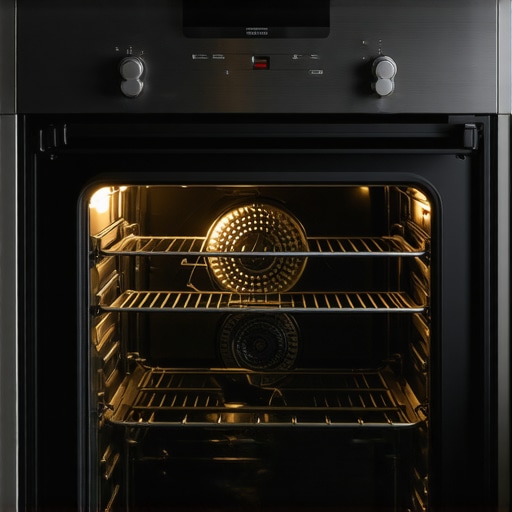
I remember the first time I was halfway through preparing a dinner when my oven started clicking incessantly. It was like having an uninvited, noisy guest in my kitchen, and I wasn’t sure if I should be alarmed or just ignore it. That lightbulb moment made me realize how common yet perplexing this issue really is. If your oven is clicking while you’re cooking, you’re not alone—and it might be more than just a quirk. Many homeowners find themselves asking, why is my oven clicking? and wondering if it signals a serious problem.
Decoding the Oven Clicking Mystery
Oven clicking sounds can seem harmless at first—they might sound like a faint timer or a device calibrating itself. However, persistent clicking can sometimes indicate underlying issues that, if ignored, could lead to costly repairs or safety hazards. That’s precisely why I’m here—to help you understand what causes this noise and how to address it confidently.
From my experience and countless troubleshooting sessions, I’ve learned that these clicks often relate to electrical components, moisture buildup, or even safety features engaging. For instance, a faulty thermostat or a loose wire might cause repetitive clicking, which can be a red flag for potential malfunction. Interestingly, some clicks are actually normal; your oven’s ignition system uses clicking to spark the burners, which is expected when it’s lighting up.
Did you know that a failing igniter in a gas oven can cause continuous clicking as it tries repeatedly to light, often without success? According to Appliance Repair Experts, persistent clicking can sometimes point to ignition problems or electrical faults that require attention. So before you dismiss the noise as just a quirk, it’s crucial to dig deeper.
Is Your Oven Clicking a Sign of a Bigger Issue?
I’ll admit, early on, I made the mistake of ignoring minor clicking noises, assuming they were just normal sounds. That turned into a costly lesson when the problem escalated. If you’ve faced this issue yourself, you know how tempting it is to just turn up the radio and forget about it. But trust me, a little early diagnosis can save you both time and money. For example, sometimes all it takes is cleaning a sensor or securing a loose connection. Other times, you might need to replace a faulty part. Whatever the case, understanding the root cause is key to keeping your oven safe and fully functional.
In the next sections, I’ll walk you through the common reasons behind oven clicking and the simple steps you can take to fix or prevent it. Ready to troubleshoot your way to a quieter, more reliable kitchen? Let’s start unraveling this mystery together!
Identify the Source of the Clicks
First, determine if the clicking occurs only when the oven is on or also during idle times. I recall a time when I heard intermittent clicks even when the oven was off; it turned out to be a faulty relay. To diagnose, unplug the appliance, then carefully listen during different modes—this helps pinpoint whether the noise is from ignition, a relay, or an electrical component.
Check the Igniter and Ignition System
In gas ovens, persistent clicking often signals a failing igniter. I once had an oven where the igniter emitted rapid clicks without lighting the gas; replacing the igniter fixed the problem instantly. To verify, access the igniter (consult your manual), and inspect for cracks or corrosion. If damaged, order a replacement part and follow manufacturer instructions for installation.
Inspect Electrical Components and Wiring
Loose or damaged wires can cause repeated clicking. I recommend turning off power at the circuit breaker before opening the panel. Once inside, look for frayed wires or loose connections. Tighten screws or replace damaged wires. For a comprehensive fix, ensure your wiring adheres to safety standards—consult an electrician if unsure. Learn more about secure wiring connections here.
Replace Faulty Parts with Confidence
If you’ve identified a defective component, like the relay or sensor, replacing it can resolve the clicking noise. During my own experience, I found a faulty oven thermostat causing irregular clicking. Using the model number, I ordered the correct part, and after installation, the oven operated quietly. Always verify compatibility before purchasing replacement parts for safety and effectiveness.
Follow Proper Installation Procedures
Securely installing components prevents future issues. For example, when installing a new thermostat, ensure the mounting is tight and connections are firm. Improper installation can cause additional clicking or malfunctions. If you’re uncertain, professional installation services offer quick, reliable solutions. Check out this guide on proper range installation for more tips.
Test and Prevent Future Clicking
After repairs, restore power and run the oven through a test cycle. I once took extra precautions by cleaning sensors and securing all wiring before testing, which prevented recurring noise. Regular maintenance—like cleaning ignition sensors with a soft cloth—can prevent future issues. Remember to consult your appliance manual for recommended upkeep routines, or visit this resource on sensor maintenance.
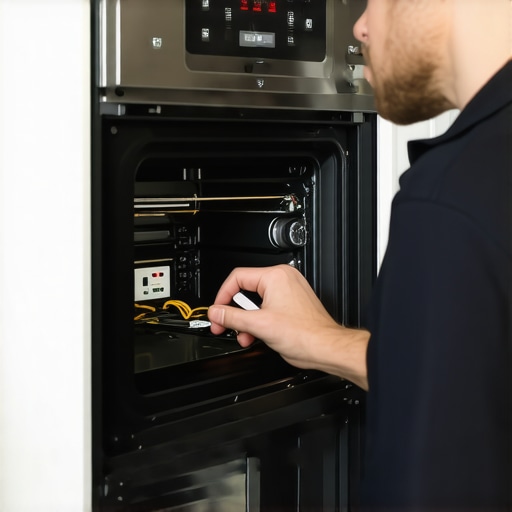 Many homeowners operate under misconceptions about appliance repair, installation, and warranty procedures that can lead to costly mistakes. Contrary to popular belief, insisting on same-day service is not always the best option; sometimes, taking time to properly diagnose the issue results in more reliable, long-term fixes. For instance, rushing into repairs without understanding the root cause can cause further damage, especially when complex components like thermostats or sensors are involved.
One widespread myth is that all warranties cover any repair needed within the coverage period. However, many warranties have nuanced clauses that exclude certain repairs or require specific maintenance routines, such as regular filter changes or professional inspections. Overlooking these details can result in denied claims when issues arise. To avoid this trap, always read the fine print and keep records of maintenance and repairs.
Why do some service calls become more costly than anticipated, even with a warranty?
In my experience, the hidden factor is often incorrect diagnosis or improper installation. For example, installing a dishwasher without securing it properly to the countertop or failure to install the anti-tip brackets can lead to operational issues and voided warranties. Experts recommend following manufacturer guidelines carefully and consulting professional installers when in doubt. Additionally, many assume that repair technicians are equipped to handle every issue on the first visit. But some issues require diagnostic tools or specific parts that may not be immediately available, emphasizing the importance of comprehensive estimates and planning.
Another point often misunderstood is the importance of verifying the credentials of service providers. Unlicensed or unqualified technicians might offer cheaper services but can inadvertently cause more harm. A study by HomeAdvisor indicates that unlicensed repairs are more likely to result in recurring issues and damage that void warranties. Therefore, investing in certified professionals ensures compliance with safety standards and preserves your warranty rights.
Furthermore, many assume that installation is a one-and-done task. While it may seem straightforward—such as securing a dishwasher or connecting water lines—the nuances include ensuring proper leveling, verifying clearances, and testing all functions thoroughly. For example, improper leveling might lead to leaks or noise, which could be mistaken as a defect but are actually installation errors. Proper installation not only extends the lifespan of your appliances but also safeguards your warranty. For critical installations like range hoods or built-in ovens, consulting detailed guides or professionals can prevent costly missteps.
In the end, understanding the finer points of appliance repair, installation, service timelines, and warranties can save you substantial money and frustration. Always question assumptions, read warranty fine print carefully, and choose qualified technicians. Want to learn more about avoiding installation pitfalls? Check out this guide on proper range installation for detailed tips. Have you ever fallen into this trap? Let me know in the comments.
Investing in Quality Tools for DIY Repairs
When it comes to maintaining or repairing your appliances, having the right tools can mean the difference between a successful fix and causing further damage. I personally rely on a precision multimeter because it helps me accurately diagnose electrical issues, such as testing circuit continuity or voltage levels in problematic components. Additionally, a magnetic screwdriver set with various bits has been essential, especially given the tiny screws often present in modern appliances.
Utilizing Diagnostic Software and Manuals
Beyond physical tools, digital resources like online repair manuals and diagnostic apps are invaluable. I recommend keeping a Dropbox folder filled with PDFs of manufacturer service manuals for common appliances in your home. In recent years, some appliances integrate smart diagnostics; for instance, smart ovens can often be diagnosed via their Wi-Fi interface, guiding you through potential issues without needing a technician. Staying updated with these tools ensures you can perform preventive maintenance effectively and swiftly troubleshoot when things go wrong.
Consistency is Key for Long-Term Results
Regular maintenance routines help prolong the lifespan of your appliances. For example, cleaning filters and sensors every few months prevents buildup that causes malfunctions. I always schedule a quarterly check of door seals, air filters, and drainage hoses. These small, consistent actions can prevent major breakdowns and save money over time. Remember, just like a car needs regular oil changes, appliances benefit from routine checkups—so don’t wait for something to break before taking action.
Tools to Scale Your Maintenance Efforts
Once you’re comfortable with basic repairs, consider expanding your toolkit with items like a thermal imaging camera. This might sound advanced, but it allows you to spot overheating components or insulation failures invisibly. I’ve used it to identify heat buildup around faulty relays or motors, preventing serious failures. Looking ahead, I predict that AI-powered diagnostic tools will become more accessible, enabling even homeowners to leverage smart tech for proactive appliance health monitoring.
How do I maintain appliances over time without surprises?
One method I swear by is implementing scheduled checkups using digital reminders. Setting calendar alerts to inspect filters, test thermostats, and verify wiring connections can help catch issues early. Also, maintaining a detailed repair log—either digitally or on paper—helps track recurring problems, which saves time and money. For instance, regularly cleaning the sensor blocks in smart ovens can prevent preheating failures down the line, ensuring smooth operation year after year.
Lastly, don’t overlook community forums or professional guides. Many experienced DIY enthusiasts share insights that go beyond basic troubleshooting. For example, understanding the correct gap settings between your range and wall can improve safety and efficiency. Combining these resources with your own toolset will empower you to keep appliances in top condition for the long haul.

Imagine having a comprehensive toolbox tailored to your home appliances — this makes maintenance not only easier but more effective. As the trend toward smart appliances continues, integrating compatible diagnostic apps and professional-grade tools will become standard practice. This evolution means homeowners can diagnose issues early, plan repairs, and avoid costly emergency calls. So, why not try using a thermal imaging camera on your fridge compressor or oven heating elements? It’s an advanced tip that can save you money and extend appliance lifespan.
Lessons Hidden Behind the Clicking Sound
One of the most eye-opening lessons I learned was that a persistent oven click often masks underlying issues—ignoring it can turn a minor problem into a costly repair. Early on, I thought it was just normal noise, but experience showed me that diagnosing the real cause — whether it’s a faulty igniter or loose wiring — saves time and expense. The biggest breakthrough? Realizing that some clicking sounds are signs of safety features engaging, not malfunction, which means understanding your oven’s behavior is key.
Another insight I gained was that rushing to replace parts without proper diagnosis often leads to repeat failures. Taking the time to check the ignition system or electrical connections first is invaluable. It’s a lesson in patience that pays off by ensuring reliable, long-term oven performance and peace of mind.
I also learned that regular maintenance, like cleaning sensors and securing connections, can prevent many clicking issues before they start. These small steps extend your appliance’s lifespan and keep your kitchen running smoothly without surprises.
Tools and Resources That Became My Secret Weapons
Over the years, I’ve relied heavily on specific tools and resources that I trust. A high-quality multimeter has been indispensable for checking electrical components, while a set of precision screwdrivers allows me to access tricky parts safely. I also keep digital manuals for various models handy — troubleshooting becomes much simpler when you have manufacturer specs right at your fingertips.
In addition, I’ve started using diagnostic apps that interface with smart appliances, providing real-time error reports and guidance. These digital tools empower DIY repairs and save trips from expensive technicians. Combining physical tools with digital resources has transformed how I approach appliance issues, making repairs more precise and less stressful.
Lastly, community forums and expert blogs have been invaluable for sharing insights and solutions. Learning from others’ experiences helps me avoid common pitfalls and discover innovative fixes, keeping my appliances in top shape with confidence.
Your Journey Starts Now: Don’t Fear the Fix
Understanding the secrets behind oven clicking and mastering simple repairs can dramatically improve your kitchen’s efficiency and safety. With the right knowledge, tools, and a proactive mindset, you can troubleshoot confidently and prevent costly breakdowns. Remember, you don’t need to be an expert—just willing to learn and take action.
What’s your biggest challenge with appliance troubleshooting? Share your experience below and let’s learn together!
.