
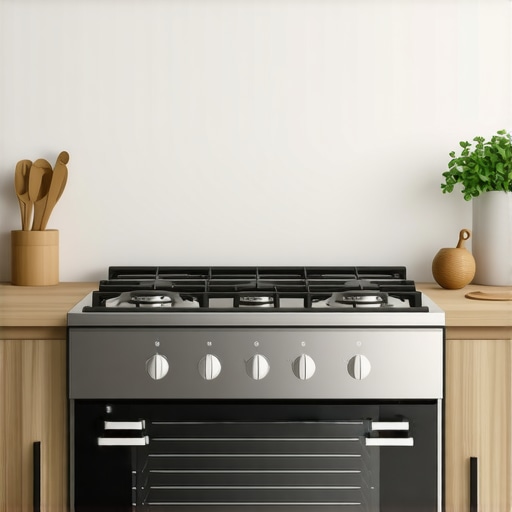
I remember the first time I installed a new range in my kitchen, feeling proud of my DIY skills—until I heard a loud thud during my first test cook. That sinking feeling hit me; I knew something wasn’t right. Later, I discovered that I had skipped installing the anti-tip bracket, a tiny device with a huge impact on safety. That moment was a lightbulb—this small component could have prevented a serious accident, yet many homeowners overlook it.
Why Neglecting the Anti-Tip Bracket Is a Serious Risk
Many folks, including myself initially, think of range installation as a simple task: plug it in, level it, and you’re done. But the truth is, an improperly secured range isn’t just unsteady—it can tip forward, causing injuries or even fatalities. According to the Consumer Product Safety Commission, accidental tip-overs are responsible for numerous injuries each year, especially involving children. Installing the anti-tip bracket is a quick fix, but it can be life-saving.
Is Overlooking the Anti-Tip Bracket Actually Worth the Hype?
I admit, early on, I dismissed the need for this tiny bracket, thinking it was an overkill. I was wrong. My mistake was assuming that simply leveling the range was enough. Missing this step nearly cost me, and I shudder to think of what could have happened. It’s a common mistake beginners make—thinking a level installation equals safety. Trust me, I’ve learned the hard way that this isn’t true. For more details on how improper installation can lead to serious issues, check out this article on [installation errors that void warranties](https://discountappliancehub.com/the-installation-error-that-makes-your-fridge-buzz-against-the-wall).
So, now that I know the importance firsthand, I want to guide you through ensuring your range is properly secured with the anti-tip bracket. Because when it comes to safety and peace of mind, a small step can make all the difference. In the next sections, we’ll walk through how to properly install this essential component—and avoid making my mistake.
Secure the Range Properly to Prevent Accidents
Start by unplugging the range from the power outlet to ensure safety during installation. Move the appliance away from the wall carefully, and locate the anti-tip bracket included in your hardware kit. Think of this step like anchoring a flagpole—the stability depends on it. Align the bracket against the back of the range, making sure it’s positioned where the manufacturer’s instructions specify.
Attach the Bracket Step-by-Step
Using a level, verify that your range is perfectly horizontal; this prevents uneven weight distribution. Next, drill the bracket into the wall or floor as instructed, typically using a masonry or wood screw, ensuring the bracket firmly grips the surface. Imagine tightening a bolt—firmness is key to prevent shifting over time. Secure the bracket snugly but avoid overtightening to prevent stripping the screw or damaging surfaces.
Engage the Safety Mechanism
After the bracket is attached, lean the range back slightly—simulating a gentle tilt—and look for the anti-tip pin or hook underneath the appliance. Insert the pin into the bracket, similar to securing a latch, which locks the range in place. This step is crucial; without it, the appliance remains vulnerable to tipping forward under pressure. Confirm the pin is fully engaged by attempting a gentle push forward—if it doesn’t move, you’ve done it right.
Test Your Work and Confirm Stability
Plug in the range and gently push forward at the top to see if it resists movement. Think of this as a safety check—like testing the brakes after installing a new seatbelt. If the range shifts, revisit the bracket, tighten screws, or reposition as necessary. Remember, this isn’t just about compliance; it’s about safeguarding everyone in your home.
Consistency is Key: Regular Checks
Schedule periodic inspections, especially if your home experiences vibrations or shifting foundations. As part of routine maintenance, make it a habit to verify the anti-tip bracket remains secure, similar to checking tire pressure on your vehicle. Doing so ensures ongoing safety and peace of mind, avoiding disasters that could result from overlooked installation flaws.
Many homeowners assume that quick fixes, same-day service, or warranties cover all the hassles associated with appliance repair. However, this widespread belief often masks critical nuances that can affect your repairs, warranties, and long-term appliance health. Let’s dig deeper into what most people get wrong and how understanding these subtleties can save you time and money.
Myth: All Repair Services Are Equal in Quality and Speed
Popular opinion suggests that booking any repair service guarantees swift and reliable results. In reality, the market is flooded with varying standards. Some companies prioritize quantity over quality, leading to rushed repairs that overlook crucial details. For example, a quick fix might temporarily stop your dishwasher from leaking, but if the drain pump mistake isn’t addressed properly—like ignoring the correct drain line installation—it can lead to recurring issues or even void your warranty. To avoid this, verify that your technician’s process aligns with manufacturer standards and specialized knowledge. Skilled technicians understand the importance of precise procedures, such as ensuring your appliance’s components are correctly aligned and tested before finishing the job. This is especially relevant when dealing with advanced smart appliances, where incorrect procedures can trigger errors or reduce warranty coverage.
Beware the Oops Factor: Overlooking Fine Print
Many warranties seem comprehensive until you hit a snag. What’s often missed is the fine print concerning installation and maintenance. Manufacturer warranties typically require adherence to specific conditions—like proper leveling, correct power supply, or specific environmental conditions. For example, installing your refrigerator too close to a heat source or ignoring service alerts about dirty condenser coils can void your warranty prematurely. External studies, like those from the National Appliance Warranty Association, emphasize that neglecting these nuanced maintenance steps often leads to warranty claims being denied. Always read your warranty terms thoroughly, and consider professional installation to ensure you meet all conditions. The real trap is assuming that warranties cover every fault, ignoring the subtle requirements that protect your coverage.
Same-Day Service: Is Quick Fix Worth the Risk?
While same-day service sounds like a blessing, rushing repairs can backfire. Appliance repairs often involve complex diagnostics—like identifying a hidden thermostat fault in a newer dryer that might not be obvious without a proper scan. A hurried technician might replace a component based on assumptions, leading to recurring problems or further damage, which ultimately costs more. Moreover, appliance manufacturers are cracking down on unauthorized repairs, which could jeopardize your warranty if non-OEM parts are used or procedures aren’t followed precisely. This is especially true in smart appliances, where firmware updates and compatibility factors come into play. To balance urgency and efficacy, prioritize reputable service providers who invest time in diagnostics and follow manufacturer’s protocols. Remember, a solution that takes a bit longer upfront can save you from repeated service calls and warranty complications later. To explore this further, check out tips on avoiding warranty pitfalls during repairs.
Advanced Question: How Do Manufacturer Specifications Impact Repair and Warranty Decisions?
For the advanced homeowner, understanding manufacturer specifications goes beyond just reading the manual. Repair technicians need to be familiar with exact installation and maintenance scripts, such as ensuring the correct drain pump configuration or precise leveling, which directly affect warranty validity. Ignoring these nuances can result in non-compliance—leading to denied warranty claims or future damage. A good example is the importance of a proper drain line installation, which prevents water flooding issues and preserves warranty coverage. Manufacturers often specify these details to ensure safety, longevity, and optimal performance. When repairs deviate from these specifications, warranties can become void, leaving you liable for costs. Therefore, investing in a certified technician familiar with your appliance’s detailed requirements can be the difference between warranty peace of mind and unexpected expenses.
Mastering Maintenance with Precision Tools
Staying ahead in appliance care requires more than just basic knowledge; it demands the right tools. Personally, I swear by a high-quality digital multimeter. It’s indispensable for diagnosing electrical issues—allowing me to quickly verify voltage levels or identify faulty wiring without risking unnecessary replacements. Similarly, a digital infrared thermometer helps me pinpoint overheating components—crucial when troubleshooting refrigerators or ovens. For example, monitoring condenser temperatures can prevent costly breakdowns and extend appliance lifespan.
Why I Rely on Advanced Diagnostic Software
Modern appliances are increasingly complex, often equipped with smart features and diagnostic systems. I recommend investing in manufacturer-specific diagnostic software, which allows you to read error codes directly from the appliance’s interface or control panel. This approach minimizes guesswork, especially with smart refrigerators or ovens that generate detailed fault reports. It’s akin to having a mini- technician in your toolbox, enabling precise repairs and faster resolution.
Efficient Maintenance Strategies for Longevity
Consistent care is vital for long-term appliance performance. I schedule routine inspections, such as cleaning condenser coils and checking door seals. Regularly cleaning a condenser coil with a soft brush or vacuum prevents dust buildup that hampers cooling efficiency—this simple step can prevent premature compressor failure.
How do I Maintain Appliances Over Time?
To ensure long-lasting performance, adhere to the specific maintenance guidelines outlined by the manufacturer. For instance, routinely inspecting and cleaning dryer vents using a flexible brush extension significantly reduces fire risks, as detailed in this article. Also, using manufacturer-approved replacement parts during repairs preserves warranties and ensures compatibility—an essential step especially when replacing control boards or sensors. The trend toward smart appliances underscores the importance of firmware updates; keeping software current can prevent bugs and security vulnerabilities.
Tools That Future-Proof Your Investment
Looking ahead, I predict a surge in the integration of AI diagnostics and remote monitoring systems. Devices with built-in self-diagnostic capabilities will notify you proactively about issues, reducing downtime and repair costs. To prepare, I recommend investing in a reliable surge protector designed for high-tech appliances, safeguarding your investments from power surges—detailed in this resource. These proactive measures can save you from unexpected appliance failures and extend service life.
Enhance Your Appliance Care Skills Today
Try integrating an infrared thermometer into your regular maintenance routine. It’s a game-changer for early detection of overheating issues before costly repairs become necessary. Regular use of this tool, combined with routine cleaning and firmware updates, will keep your appliances in top shape—saving you time and money. Remember, staying vigilant and equipped with the right tools makes all the difference in appliance longevity and safety.
For more detailed guidance on correct maintenance techniques, explore our [installation error that makes your fridge buzz against the wall](https://discountappliancehub.com/the-installation-error-that-makes-your-fridge-buzz-against-the-wall) and learn how small adjustments can prevent big problems.
Throughout my journey into appliance repair and installation, one glaring truth has emerged: the smallest detail can make or break your home’s safety and your warranty coverage. I vividly remember the first time I overlooked a seemingly minor step, only to face unexpected consequences that taught me invaluable lessons. If there’s one thing I’ve learned, it’s that attentive precision in every repair, installation, or maintenance check isn’t just recommended—it’s essential. By paying close attention to details like securing anti-tip brackets or following manufacturer specifications meticulously, you safeguard your loved ones and preserve your appliance warranties, potentially saving thousands in repair costs down the line. Embracing this mindful approach transforms a routine task into a proactive shield against future mishaps, turning everyday maintenance into an act of confidence and care for your home. Investing in knowledge and the right tools ensures you’re well-prepared to handle both the expected and unforeseen, making your appliance journey smoother and safer for everyone involved.