
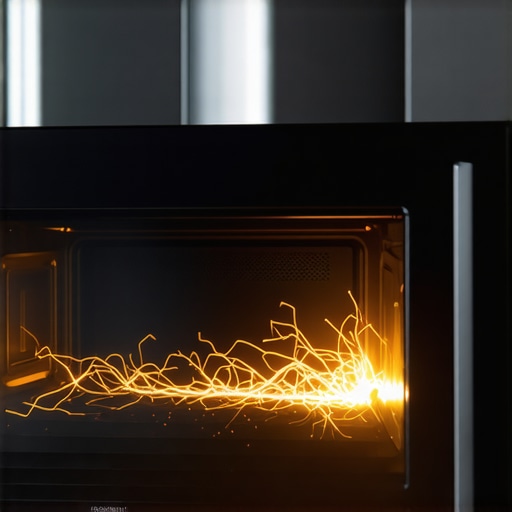
It was late at night when I first noticed it. I had just started reheating my dinner, and suddenly, a tiny spark jumped from the microwave’s interior. My heart skipped a beat. I immediately unplugged the appliance, realizing how close I was to a potential fire hazard. That lightbulb moment made me realize that mysterious sparks inside the microwave—without any metal in sight—are more common than most people think, and ignoring them can be dangerous.
Understanding Why Your Microwave Sparks Without Metal
Once I started digging into the issue, I learned that sparks can be caused by a variety of hidden problems, from damaged waveguides to faulty turntables. Many folks assume only metal objects cause sparks, but the reality is that internal components and food debris can also be culprits. According to the Electrical Safety Foundation International, microwave fires, often stemming from unresolved sparking issues, are responsible for hundreds of household emergencies each year. That statistic made me realize how crucial it is to address these seemingly minor sparks before they turn catastrophic.
Have you ever experienced that alarming flicker or crackle emanating from your microwave? If so, you’re not alone, and there’s good news—most spark-related problems can be fixed without replacing the entire unit. But first, let’s explore the common causes and how to identify them.
Are you worried that attempting repairs might void your warranty? I made that mistake early on—trust me, some DIY fixes won’t affect your coverage if done correctly. For more on maintaining your appliances without voiding warranties, check out this guide.
Now that you’re aware of the seriousness behind sparks—beyond just being startling—we’re going to walk through practical steps to diagnose and fix the problem. From inspecting the waveguide cover to cleaning out food splatters, these tips will help keep your microwave running safely and efficiently.
Inspect and Clean the Waveguide Cover
Start by unplugging the microwave to avoid electric shock. Remove the outer panel to access the waveguide cover, which is typically a small rectangular piece inside the microwave on the side wall. Seal and clean this area with a damp cloth, removing any food splatters or grease that can cause arcing. I once had a messy dish that splattered onto the cover, and after a thorough clean, the sparking stopped immediately—saving me both time and money. For detailed guidance, check out this door switch repair guide.
Examine Internal Components for Damage
Check the Magnetron and Waveguide
Unplug the unit again and carefully inspect the magnetron area and waveguide for signs of damage, burns, or corrosion. Use a flashlight if needed. If you notice cracks, burn marks, or carbon buildup, consider replacing the faulty component. Remember, tackling these parts requires specific tools and safety precautions; if you’re unsure, consult an appliance technician. A damaged magnetron can cause continuous sparking and affect cooking performance. When in doubt, visiting this warranty info page helps you understand DIY limits without risking product coverage.
Identify and Remove Food Debris
Food particles at the bottom or around the turntable can settle and cause sparks when microwaved. Carefully remove all removable parts, clean inside with mild soap and water, and dry thoroughly. Pay special attention to the area beneath the turntable and the rollers. When I noticed sparks during late-night reheating, a quick clean of trapped food residues made a noticeable difference. This simple step prevents arcing caused by leftover debris.
Test the Microwave Safely
After reassembling all components, plug the microwave back in and run it empty for a brief period. Observe closely for any sparks or unusual noises. If sparks persist, it’s best to seek professional repair. Remember, safety is paramount; never attempt internal repairs if you’re not experienced, as microwaves contain high-voltage parts that can retain shock even when unplugged. For warranty considerations, learn how to document your DIY fixes at this guide.
Many homeowners assume that opting for same-day appliance repair guarantees immediate fixes and complete coverage for all issues. However, this common belief often masks nuanced realities that can lead to costly misunderstandings. Let’s explore some misconceptions and advanced pitfalls most people overlook.
Why Instant Service Can Be a Double-Edged Sword for Your Warranty
Contrary to popular belief, requesting urgent repairs or installation sometimes voids parts of your warranty, especially if the service technician unknowingly breaches manufacturer guidelines. For instance, DIY installation adjustments or unauthorized fixes may impair the coverage, making future repairs more expensive. Experts from the Consumer Reports suggest that understanding your warranty’s detailed terms is essential before rushing into same-day fixes.
Moreover, many believe that quick service always means thorough diagnostics. In reality, technicians may prioritize speed over deep inspection, overlooking underlying issues like improperly installed components or hidden damages. This oversight can cause recurring problems or even safety hazards down the line.
A common trap involves service providers issuing repairs covered by a warranty, only to perform superficial fixes that don’t address the root cause. This leads to repeat visits, wasted time, and frustration—so always ask for a detailed explanation of the repair scope. You can find related tips on ensuring your appliances are properly serviced without risking warranty voidance at this guide.
Have you ever fallen into this trap? Let me know in the comments.
Adjusting to the complexities of appliance warranties and same-day services requires a keen eye and an informed mindset. For example, before scheduling urgent repairs, verify whether the service includes proper diagnostics or if it might compromise your warranty terms. Additionally, understanding the fine print about installation requirements is crucial—incorrect setup can be deemed user damage, voiding your coverage altogether.
Be especially cautious about the installation process: improper setup, such as neglecting to level a refrigerator or secure a dishwasher correctly, can lead to later failure or warranty denial. Check out our article on the “hinge move that fixes a sagging fridge door” to understand how proper setup impacts long-term performance.
Another advanced mistake is assuming all warranties cover accidental damages like power surges or user mishandling. Most do not, making it vital to install surge protectors for high-end appliances. Surprising many, studies from the Electrical Safety Foundation International reveal that neglecting surge protection is a leading cause of appliance failure outside of manufacturing defects.
In conclusion, the key to navigating same-day appliance service, warranty coverage, and installation lies in being proactive, questioning service procedures, and reading the fine print. Don’t let quick fixes become costly lessons. What are your experiences or questions about appliance warranties and urgent repairs? Share below!Maintaining your appliances beyond initial repairs is key to ensuring longevity and reliable performance over time. I personally rely on a combination of specialized tools and smart software to keep everything running smoothly. For example, a digital multimeter is indispensable for diagnosing electrical issues without guesswork, allowing me to quickly identify voltage irregularities that can cause components like microwave magnetrons or fridge compressors to fail prematurely.
Another game-changer is investing in a high-quality infrared thermometer. This tool enables me to monitor temperature variations in appliances such as ovens and refrigerators, helping spot performance decline before minor issues turn into costly repairs. Regular temperature checks can reveal if your freezer is not maintaining proper coldness, which according to appliance experts, is often due to defrost system failures—a common cause for ice buildup, like in freezers that hit ice and scraping noises.
In my routine maintenance arsenal, I also use diagnostic software compatible with modern appliances. For smart devices—like advanced refrigerators or ovens—these tools provide real-time error codes, performance logs, and firmware updates, keeping appliances aligned with manufacturer standards. I recommend regularly updating your appliance firmware when available, as manufacturers are increasingly releasing patches that optimize performance and fix bugs, going a long way toward extending service life.
Long-term results are best achieved through scheduled preventative checks. For example, inspecting and cleaning the drainage loop in dishwashers prevents water leaks and ensures optimal operation. Plus, integrating smart home systems enables proactive alerts for issues such as door gasket wear or filter blockages, which might otherwise go unnoticed until failure.
Looking ahead, I believe that many traditional maintenance tasks will become automated through advances in IoT connectivity, allowing appliances to self-diagnose and even order spare parts or schedule service calls autonomously. This shift promises to make appliance ownership less of a chore and more of a passive, worry-free experience.
How do I maintain appliances over time to avoid costly repairs?
Regularly scheduled maintenance, including cleaning, part inspection, and software updates, is essential. Adopting a proactive mindset and leveraging diagnostic tools enables early problem detection and efficient troubleshooting, reducing downtime and expenses. For instance, routinely checking the ice maker’s freezing fan for ice build-up prevents scraping noises and performance loss—see how maintenance of specific components like this can save you from complete replacements later. Want to get serious? Try investing in a smart diagnostic device compatible with your main appliances, which can provide instant performance reports and trouble alerts, helping you stay ahead of potential failures.
What I Learned About Ignoring Small Sparks
The most valuable lesson was recognizing that even tiny sparks inside my microwave could be signs of bigger problems. Ignoring these warning signs might lead to costly repairs or dangerous fires. Regular inspections and prompt action are essential to keep household appliances safe and reliable.
Why Being Proactive Saved My Kitchen
Addressing issues early prevented what could have been a disaster. Taking the time to clean components like the waveguide cover or inspecting internal parts turned a potential hazard into a simple fix. This experience reinforced the importance of routine maintenance and not dismissing odd appliance behaviors.
The Power of Knowledge in Appliance Care
Understanding the common causes of sparking—like food debris or damaged components—empowered me to troubleshoot confidently. I realized that investing in proper tools and staying informed about appliance parts can make DIY repairs safer and more effective, saving money and extending appliance lifespan.
Curated Resources for Your Appliance Know-How
My essential toolkit includes A) a digital multimeter for electrical tests, B) a soft brush for cleaning delicate components, and C) a comprehensive guide on appliance repairs I trust, such as this troubleshooting resource. These tools and resources have been invaluable in maintaining safe, efficient appliances.
Your Turn to Elevate Appliance Confidence
By sharing my journey, I hope you feel more empowered to handle minor issues before they escalate. Regular maintenance, combined with proper knowledge, can prevent hazards and prolong your appliances’ life. Have you ever caught a small problem before it became serious? Let’s hear your stories below!