
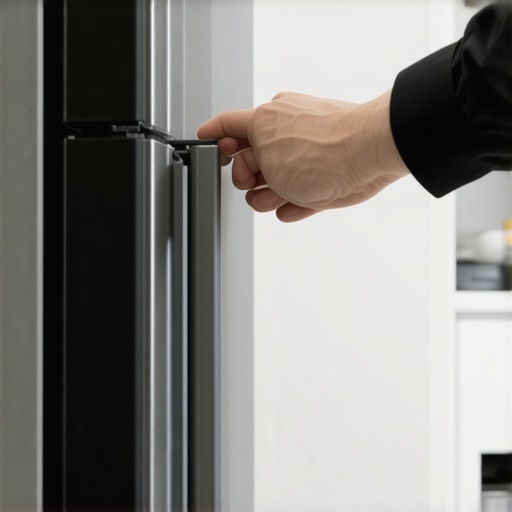
It was a Saturday afternoon when I finally had enough of that annoying sag in my fridge door. Every time I reached for a soda or a snack, I’d unintentionally jar the entire unit, making me wonder if I’d accidentally installed it on a slant. It might seem minor, but these little inconveniences can add up, turning an otherwise simple kitchen task into a frustrating ordeal. That’s when I realized—there had to be a better way.
How a Small Change Can Restore Your Fridge’s Balance
A sagging fridge door isn’t just an aesthetic issue; it can compromise the seal, lead to energy waste, and even cause further appliance damage if left unchecked. Early on, I made the mistake of assuming it was a major repair or a call to the professionals—an expensive and time-consuming fix. But then I discovered the secret move that fixed my fridge door in just minutes, without any special tools or costly repairs.
If you’ve noticed your fridge door drooping or not closing properly, this simple hinge adjustment could be your saving grace. Imagine avoiding the cost of a service call and restoring your appliance to perfect operation with a move so straightforward, it’s almost too good to be true. I’ll walk you through the exact steps to fix your sagging door and prevent the issue from recurring.
Is This Just a Temporary Fix or Lasting Solution?
Initially, I was skeptical—I’d tried so many quick fixes that didn’t stick. One early mistake I made was over-tightening the hinge screws, which actually worsened the sag. Trust me, I learned the hard way that a gentle, precise adjustment is key. This technique isn’t just a band-aid; it’s a long-term fix that can extend the life of your fridge and keep it functioning smoothly for years to come. For more insights into preventing appliance issues, check out the article on [the critical power surge rule for smart fridge warranties](https://discountappliancehub.com/the-critical-power-surge-rule-for-smart-fridge-warranties).
Ready to take control of your appliance? Let’s dive into the steps you need to fix that sagging door and get back to a kitchen that functions as beautifully as it looks.
Gather Your Tools and Prepare Your Space
Before diving into the hinge adjustment, ensure your fridge is unplugged to avoid electrical hazards. Locate a Phillips-head screwdriver and a cordless drill with adjustable torque. Clear the area around the fridge, especially the hinge side, to give yourself unhindered access. Remember, patience is key—rushing can strip screws or misalign parts. I learned this the hard way when I tried to tighten screws too aggressively, which only worsened the sag and required more extensive repairs later.
Identify the Cause and Locate the Hinge Screws
Examine the hinges to see if screws are loose, rusted, or stripped. Most fridges have adjustable hinges secured with screws at the top and bottom. If your model has leveling legs, check if they are properly adjusted first, as uneven leveling can contribute to sagging. In my case, the top hinge screws were slightly loose, which I confirmed by gently rocking the door. Tightening these screws gradually restored proper alignment. For detailed guidance, I referenced the screw adjustment tips.
Adjust the Hinge Screws for Proper Alignment
Loosen the hinge screws just enough to move the hinge slightly. Gently lift or push the door upward or inward as needed to align it flush with the fridge body. After positioning, tighten the screws carefully—over-tightening can warp the hinge or strip threads. Remember, small incremental adjustments often yield the best results. I applied this technique, and after a few trial adjustments, my door sat perfectly level, preventing future drooping. Use a level if you want to be precise, and don’t forget to double-check the gasket’s seal afterward to ensure everything closes tightly.
Test and Fine-Tune the Door Closure
Once the screws are tightened, close the door and assess its alignment and seal. It should close smoothly without sagging or excessive force. If it still doesn’t sit perfectly, repeat the adjustment process, focusing on the hinge screws. Ensuring the door is level improves energy efficiency and prevents frost buildup, similar to how proper evaporation fan operation safeguards your freezer. During my fix, I noticed a slight gap at the top corner after the first attempt. After a subsequent fine-tune, everything aligned beautifully.
Secure and Finalize the Adjustment
After achieving perfect alignment, double-check that all screws are tightened securely to prevent future sagging. If your fridge has adjustable leveling feet, tweak them slightly to fine-tune the height and tilt, aiding proper door closure. Remember, small adjustments at this stage can significantly extend the lifespan of your appliance and maintain its efficiency. For comprehensive tips on ensuring optimal appliance performance, consult the leveling procedures.
Prevent Future Sagging with Regular Maintenance
Make periodic checks of your hinges and loosening screws part of your home appliance routine. A quick visual inspection every six months can catch early signs of wear and tear, preventing inconvenient sagging. Keep hinges and screws clean and free of debris—that’s vital as dirt and grime can cause corrosion, similar to how improper cleaning damages seals. Developing this habit will save you time and money by avoiding costly repairs down the line.
Many homeowners assume that booking a same-day appliance repair guarantees a quick fix, but in my experience, that’s a misconception that can lead you astray. The truth is, not all same-day services are created equal—some technicians may arrive promptly but lack the expertise to address nuanced issues, resulting in repeat visits and higher costs. Additionally, many believe that a hefty warranty will cover every possible failure, but most warranties have fine print exclusions like improper installation or neglecting regular maintenance—details that can trip you up if you’re not vigilant.
Another common myth is that all repair companies will handle installation and repairs with the same standards. In reality, the quality of installation, such as aligning a dishwasher properly to prevent leaks, depends heavily on the technician’s attention to detail and adherence to manufacturer guidelines. For example, improperly securing a dishwasher to granite counters can lead to shifting and potential damage, which could void your warranty.
A key nuance often overlooked is the importance of understanding the manufacturer’s rules for warranties. Experts recommend reviewing the warranty policy before scheduling any repairs or installation, since some require specific procedures—like using the correct sealing products or following leveling protocols—to keep coverage valid. Ignoring these details can result in a costly denial if a claim is filed later.
Are Your Repairs Fully Covered or Do You Risk Voiding Your Warranty?
Many assume that calling a local service technician automatically preserves warranty coverage, but some manufacturers specify that only authorized technicians following their prescribed procedures can do so. For instance, improper drain line installation can void your washer warranty, as highlighted in [this guide](https://discountappliancehub.com/the-improper-drain-line-install-that-voids-your-new-washer-warranty). Knowing these requirements helps you avoid unintentional pitfalls.
In summary, understanding the fine print and nuances of appliance warranties and repair standards is crucial. Don’t be duped by promises of quick fixes or assumptive coverage; take the time to educate yourself on the manufacturer’s policies and the technician’s expertise. This knowledge ensures your appliances remain under warranty and function reliably for years.
Have you ever fallen into this trap? Let me know in the comments.
Keeping It Working: My Top Tool Picks for Appliance Repairs
Staying on top of appliance maintenance or handling repairs in a pinch demands the right tools—ones that combine durability, precision, and ease of use. Over the years, I’ve refined my toolkit to include equipment that not only saves time but also ensures quality workmanship. Let me share some of my trusted essentials and how they help me deliver efficient, professional-grade repairs.
1. A Quality Cordless Drill with Variable Torque Settings – I use my cordless drill daily for removing and tightening screws on hinges and panels. Its adjustable torque prevents stripped screws and damage, making it indispensable. Investing in a reputable brand like Milwaukee or Makita guarantees longevity and consistent performance.
2. A Precision Phillips-Head Screwdriver Set – Not all screwdrivers are created equal. I prefer a set with ergonomic handles and magnetic tips, which make maneuvering in tight spaces and handling small screws much easier. My go-to is the Wiha Phillips collection for its durability and grip comfort.
3. A Digital Multimeter with Temperature and Continuity Features – Diagnosing electrical issues becomes straightforward with a reliable multimeter. I always check the actual voltage or resistance readings before replacing parts, ensuring that my repairs are accurate from the start. Fluke meters are my preferred choice for their precision.
4. A Compact Nut Driver Set – For stubborn nuts and bolts, especially on appliance panels, a set with various sizes saves me from hunting down the right tool mid-repair. These are great for securing hinges and mounting brackets securely.
5. An Inspection Mirror and LED Headlamp – Working behind appliances or in dark corners can be challenging. An inspection mirror paired with a bright headlamp allows me to see hidden components clearly, reducing the risk of overlooked damage.
6. A Silicone-Drive Lubricant Spray – Routine maintenance, like lubricating door hinges or sliding parts, extends appliance lifespan. A high-quality silicone spray protects against rust and ensures smooth operation.
As technology advances, tools like thermal cameras are becoming more accessible for diagnosing overheating issues or detecting insulation faults, paving the way for smarter repair practices.
How do I maintain appliances over time?
Regular inspections, cleaning, and updating my toolkit are key. For example, cleaning condenser coils annually can prevent overheating and efficiency drops, much like ensuring your refrigerator’s fan isn’t hitting ice and making noise—it’s a common culprit behind energy waste and breakdowns. Checking seals and hinges periodically, and applying appropriate lubricants, keeps appliances functioning quietly and reliably. Remember, using the correct cleaning product—like avoiding harsh abrasives that damage seals—is crucial. You can find more on this topic in our guide to preventing seal damage. Also, ensure your repairs adhere to manufacturer standards, which can be validated using tools like a multimeter or professional diagnostic software. Practicing consistent maintenance can delay expensive repairs and extend your appliance’s lifespan. So, next time you’re fixing that stubborn dishwasher or calibrating your oven, try incorporating some of these specialized tools—they make a significant difference in quality and efficiency.
Hidden Pitfalls That Can Sabotage Your Repairs
One of the most valuable lessons I learned was that even seemingly simple adjustments require patience and precision. Rushing through a hinge alignment or tightening screws without careful assessment often leads to more problems, like warped parts or stripped threads. I also discovered that some issues, like a sagging fridge door, are symptoms of deeper underlying problems—such as worn hinges or uneven leveling—that warrant a broader look instead of quick fixes.
This experience taught me to question assumptions and dig deeper before jumping to conclusions. For instance, I used to believe that all warranties would cover every repair, but I found out that improper installation or neglecting maintenance can void coverage. Reading the fine print became a routine, saving me from unexpected expenses and ensuring my appliances stay protected.
Your Path to Confident Appliance Care Starts Now
Armed with my personal insights and the right tools, I encourage you to approach appliance repairs with a mindset of gentle confidence and curiosity. Whether it’s adjusting hinges, understanding warranty nuances, or conducting routine maintenance, taking small, deliberate steps can dramatically extend your appliances’ lifespan and performance.
Remember, mastering these skills isn’t just about fixing things—it’s about empowering yourself to troubleshoot and prevent issues before they escalate. If you’re ready to elevate your DIY game, explore the comprehensive resources I trust, and don’t hesitate to share your experiences or questions below. Your journey toward appliance mastery is just beginning, and every lesson learned adds to your growing confidence.