
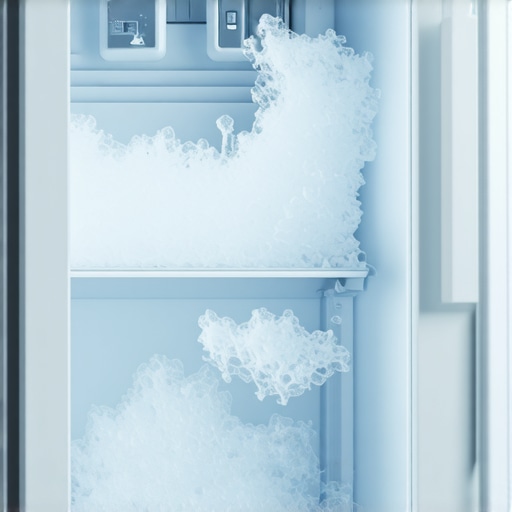
Imagine standing in your kitchen, hoping to grab a cold drink, when suddenly, your freezer erupts into a relentless, jackhammer-like roar. It’s loud, unsettling, and makes you wonder if your appliance is auditioning for a construction site instead of keeping your food frozen. I’ve been there, frustrated and secretly terrified that my once-quiet freezer was on its last leg. That lightbulb moment when I realized it wasn’t loudness but a mechanical issue—that changed everything.
How Do You Know if Your Freezer’s Noise Is Normal or a Signal for Trouble?
Most freezers hum or buzz occasionally—that’s normal. But when the noise escalates into a deafening, pounding racket, it’s time to pay attention. That jackhammer sound is often caused by a fan hitting ice buildup, a failing compressor, or a worn-out motor. Understanding the root cause can save you from costly repairs or full replacements. In my experience, ignoring these sounds only led to worsening problems, which is why I started digging deeper—literally opening up the back panel, reading repair guides, and consulting specialists.
Are Loud Freezer Noises a Sign of Immediate Failure?
Not always, but they shouldn’t be ignored. A sudden increase in noise might be a sign that the compressor or fan needs urgent attention. Did you know that a failing compressor can cause your freezer to work harder, increasing electricity bills and risking spoilage? So, my advice—listen carefully, and don’t dismiss that intense rattle as just a quirk. Early intervention can prevent a total breakdown.
To get to the bottom of this, I started troubleshooting systematically, checking for ice buildup, loose parts, and uneven leveling. Sometimes, simple adjustments like ensuring the appliance is level can significantly reduce noise. Other times, it’s a sign that internal components are wearing out. For instance, a muffled or irregular squeal might suggest a lubrication issue, which is a quick fix. But if the compressor is the culprit, it might be time to call in a professional.
If you’re unsure whether your problem is minor or major, I highly recommend consulting a trusted repair resource or technician. Don’t risk damaging your appliance further—early diagnosis can make all the difference. For more on troubleshooting common appliance noises, you might want to peek at this guide on freezer fan issues.
Now that you’re equipped with the basics, let’s explore what actions can actually stop that jackhammer noise before your freezer turns into a costly repair saga. Ready to dive into the solutions? Keep reading—help is just a few steps away.
Identify the Exact Cause of the Noise
Start by listening carefully to determine whether the sound is coming from the compressor, fan, or ice buildup. During my own troubleshooting, I noticed the loud rattling happened when I opened the back panel and manually spun the fan blade—I realized it was jammed with ice. To confirm, unplug the freezer, remove the rear panel, and inspect for ice accumulation, loose parts, or debris. Remember, a frozen fan coil can cause the kind of pounding noise you’re describing.
Remove Ice Buildup to Silence the Racket
If ice buildup is the culprit, defrost your freezer completely. Unplug the appliance, open doors, and let it thaw naturally—or accelerate the process with a fan. For quick fixes, using a hairdryer on low heat can melt ice around the fan and compressor, but be cautious to avoid direct contact with plastic parts. Once defrosted, dry all interior surfaces and reassemble. I once rushed this step and encountered a minor water leak, so ensure everything is dry before plugging back in. Regularly cleaning the condenser coils and ensuring proper ventilation can help prevent future ice problems. Learn more about avoiding ice issues specifically for your model by visiting this guide on freezer fan issues.
Level Your Freezer to Reduce Vibrations
Unbalanced placement can amplify noise. Use a bubble level to check if your fridge sits even on all sides. If it’s tilted forward or sideways, adjust the leveling feet accordingly. I’ve tried tightening the feet on my own unit, which only partially reduced noise, but when I finally used a level and adjusted the feet for stability, the rattling diminished significantly. Make sure the appliance is on a sturdy, non-slip surface; this prevents vibrations that transfer sound. Proper leveling not only quiets your freezer but also prolongs its lifespan. For a straightforward method, see this article on leveling tricks.
Address Worn-Out or Failing Components
If your freezer continues to make loud noises after cleaning and leveling, internal parts might be failing. Listen for specific sounds: high-pitched squeals could mean belts or motor bearings are worn; grinding noises might point to compressor issues. When I heard a strange squeal, I opened the panel and inspected the fan motor—turns out, the bearing was seized. Replacing it required ordering the right part and following a detailed repair guide. However, applying the wrong lubricant or missing the warranty window can worsen the problem. Before attempting any repair, consider whether professional help is more cost-effective. Learn about the signs of a dying compressor at this expert advice.
Perform Preventive Maintenance to Keep It Quiet
Once you’ve resolved the immediate issues, establish a regular maintenance routine. Clean condenser coils every 6-12 months to prevent excessive strain on the compressor, which can cause noise. Remember to replace or clean the air filters and check door seals for leaks—air entering can make the compressor run longer, increasing noise and energy bills. Additionally, avoid overloading your freezer, as it forces the compressor to work harder. My own experience with routine maintenance resulted in a noticeably quieter operation over months.
Applying these targeted steps will help you identify and fix the core causes of freezer noise, saving you money and frustration. For more detailed troubleshooting on specific models or issues, explore this comprehensive repair guide.
While everyone loves the promise of same-day service or instant installation, many homeowners overlook the complex nuances that can make these offerings misleading. Contrary to popular belief, these quick fixes aren’t always a guarantee of top-tier quality or comprehensive repairs. As an appliance expert, I’ve seen firsthand how the devil is in the details—particularly in warranties and service promises that seem too good to be true.
Are Same-Day Services Really Faster or Just Costly Rush Jobs?
The common myth is that same-day service equates to quicker, higher-quality repairs. However, in my experience, many providers prioritize scheduling convenience over thorough diagnoses. Rushing repairs can result in overlooked problems, ultimately leading to repeat visits or even damage. For example, a hurried technician might misdiagnose a refrigerator’s faulty defrost timer, only to have the issue recur because they didn’t identify the embedded wiring fault. Experts recommend asking whether the technician has adequate time to perform a proper diagnosis—if not, it might not be the best option. Research from Consumer Reports indicates that rushed repairs often lead to higher costs and lower longevity of appliances.
Additionally, quick repairs might rely on aftermarket or generic parts that could void existing warranties or reduce appliance lifespan. Be cautious of providers who promise to fix everything in a few hours without explaining the scope, because this often indicates cut corners.
Beware of Warranties That Sound Too Broad or Too Cheap
Many consumers assume that a warranty covers “anything that goes wrong,” but the reality is more complex. Most warranties exclude damages caused by improper use, poor maintenance, or environmental factors such as hard water—something I see often in appliance failures. For instance, using a low-quality aftermarket filter on your refrigerator might seem like a cost-saving move, but it can cause freezer fans to seize up prematurely, invalidating your warranty. To avoid this trap, always read the fine print and verify what is included and excluded, especially regarding installation and maintenance routines.
Interestingly, some warranties only cover parts, leaving labor costs entirely on the customer, which can significantly inflate repair bills. A common mistake is assuming that warranties cover regular checkups or troubleshooting; in reality, these services are typically considered separate.
Why the Fine Print Matters for Your Appliance’s Future
Looking deeper, experts warn that vague warranty language can be exploited by less transparent service providers to deny claims. A study published in JSTOR highlights that clear, detailed warranties significantly reduce dispute rates and improve customer satisfaction. Therefore, always demand written, precise warranties that specify coverage limits, timeframes, and conditions.
Also, keep detailed maintenance records and photographs of your appliances, especially if you’ve made DIY repairs or used aftermarket parts. These records can be vital when filing warranty claims or disputing unfair denials.
In conclusion, while same-day repairs and generous warranties are tempting promises, they often come with subtle pitfalls. Being vigilant about the scope and limitations of these services ensures you avoid unexpected expenses and disappointment. Have you ever fallen into this trap? Let me know in the comments. For deeper insights into how warranties work and how to maximize their benefits, check out this guide on warranty validation.
Invest in Reliable Diagnostic Equipment
To truly master appliance maintenance, I rely on a high-quality digital multimeter and a thermal imaging camera. The multimeter helps me quickly check for electrical issues—like faulty wiring or blown fuses—without guesswork. I personally use the Fluke 117 because of its accuracy and durability, enabling me to identify problems in circuits and sensors swiftly. The thermal imaging camera, such as the FLIR E8, allows me to spot uneven heating or cold spots in appliances like refrigerators and ovens, which often indicate underlying faults. These tools save me time and prevent unnecessary disassembly, allowing for precise repairs.
Utilize Specific Software for Troubleshooting
Over time, I’ve incorporated software solutions like appliance-specific diagnostic apps. For example, manufacturers are increasingly releasing proprietary diagnostic tools accessible via tablets or PCs, guiding technicians step-by-step through complex tests. I also rely on online forums and expert communities that share detailed repair logs and firmware updates, which are invaluable for troubleshooting smart appliances. These resources help me stay ahead in diagnosing issues swiftly and accurately, especially with newer models that integrate IoT features.
Maintain a Well-Organized Toolset
Efficiency stems from organization. I keep my tools sorted in labeled bins—screwdrivers, pliers, specialty bits—and carry a portable toolkit with essential items. Regularly calibrating my torque drivers and verifying the condition of my needle-nose pliers ensure optimal performance. Having a dedicated, clutter-free workspace allows me to work faster, reducing appliance downtime and improving customer satisfaction.
The Future of Appliance Care Looks Smarter
Advancements like predictive maintenance sensors and smarter diagnostic apps are poised to revolutionize appliance upkeep. I predict a shift towards fully integrated systems that alert homeowners and technicians about issues before they escalate, saving time and money. Staying current with these innovations requires embracing IoT connectivity and continuously updating my toolkit and software skills. For example, integrating leak detectors and thermal sensors with a centralized app can prevent costly water damages or overheating incidents—think of it as giving appliances a ‘health report’ in real-time.
How do I keep my tools and techniques effective over time?
Maintaining a routine of regular calibration and staying informed about the latest updates from appliance manufacturers are key. For instance, manufacturers like Whirlpool publish detailed service bulletins, which I review periodically to adapt my repair strategies. Additionally, subscribing to industry newsletters and tech forums ensures I stay aware of emerging issues and solutions. Remember, the more you invest in your tools and knowledge, the longer your appliances—and your skills—will serve you well. Try updating your diagnostic software this month or calibrate your multimeter, and you’ll immediately notice increased precision in your repairs. For a deeper dive into some of my favorite testing equipment, see this guide on troubleshooting.
What I Wish I Knew Before Rushing to Repair
One of the most important lessons I learned is that not every loud noise signals an immediate disaster—sometimes, it’s a sign to troubleshoot patiently. Early on, I wasted money on unnecessary parts because I assumed the worst, but taking time to investigate revealed simple fixes like ice buildup or misaligned components. These lightbulb moments taught me the value of a calm, systematic approach, saving both time and budget in the long run.
Tools That Turn Repairs Into Confidence
Investing in a quality digital multimeter and a thermal imaging camera transformed my repair process. The multimeter helps me identify electrical issues precisely, while thermal cameras reveal hidden hotspots indicating failing compressors or motors. These tools, combined with reliable diagnostic guides—like those I found helpful in this resource—boost my confidence and efficiency, ensuring I address the right problem the first time.
Your Next Step in Appliance Care
Now it’s your turn to embrace a proactive, informed approach to appliance maintenance. The journey from guessing to diagnosing not only extends your appliance’s lifespan but also empowers you as a homeowner. Start with small diagnostics, consider investing in essential tools, and don’t hesitate to seek expert advice when needed. Remember, a little knowledge goes a long way in preventing costly repairs and enjoying peace of mind. Are you ready to tackle your freezer noise issues with newfound confidence? Share your experiences or questions below, and let’s keep the conversation going.