Ever been in the middle of laundry day when — bam — your dryer stops working? The clothes are halfway dry, and there I am, staring at my suddenly silent machine, feeling that familiar sinking feeling. I remembered a time when my dryer belt snapped just as I was expecting guests, and I panicked. It was one of those lightbulb moments that made me realize how unprepared I was for appliance hiccups. But here’s the thing — I discovered that replacing a dryer belt isn’t as daunting as it seems, even if you’re not a seasoned handyman.
Why Your Dryer Belt Breaking Matters — And How to Fix It Quickly
Neglecting a small issue like a worn dryer belt can turn into a major headache. A broken belt means your dryer can’t tumble clothes, leading to damp, wrinkled laundry and the costly inconvenience of waiting for professional repairs. Plus, a sudden breakdown often catches you off guard, especially if you’re in a rush or facing last-minute plans. But here’s the good news: with a bit of know-how and some simple tools, you can tackle this repair yourself, saving time and money.
In my early days of handling repairs, I made the mistake of ignoring the signs — a squealing sound, or clothes not drying properly. Ignoring these clues only worsened the problem. Did you know that neglecting routine maintenance can also harm your appliance’s efficiency? According to experts, ignoring warning signs can shorten your dryer’s lifespan and increase energy bills (source: Water Hardness and Appliance Warranties). So, understanding the why behind these breakdowns is crucial.
If you’ve faced a similar dryer dilemma, you’re probably wondering if this fix is worth the effort. Well, I promise, this step-by-step guide will show you just how straightforward replacing a dryer belt can be, even for a beginner. No need to call a technician unless you want to — I’ll help you save your weekend and your wallet. Ready to dive in? Let’s get started with what causes these belts to snap in the first place and how to spot symptoms early.
Is DIY Repair Too Risky or Totally Worth It?
One thing I often hear is skepticism about undertaking appliance repairs myself. I get it — the worry about causing more damage or voiding warranties, especially when you’re new to fixing things. I learned early on that rushing into repairs without research is a mistake. For example, I once tried to fix my dishwasher without understanding the drainage system and ended up flooding my kitchen. But with proper guidance and careful steps, DIY can be safe and very rewarding. In fact, knowing how to handle minor fixes keeps your appliances running smoothly and extends their lifespan.
If you’re curious about other DIY fixes, like preventing your wall oven from shifting or knowing when to replace your appliance’s parts, check out guides on wall oven stability or understanding the significance of proper water softener settings for your dishwasher. You’d be surprised how small adjustments make a big difference in appliance longevity and performance.
So, if your dryer suddenly makes strange noises or stops tumbling, don’t panic. This article will walk you through the simple steps to replace your broken belt and get your laundry routine back on track — in no time at all.
}}}}#
Gather Your Tools and Prepare the Workspace
Start by unplugging the dryer to ensure safety, then locate and gather essential tools: a Phillips screwdriver, a socket wrench, and a putty knife or flat-head screwdriver. Clear the area around your dryer, placing towels or a mat underneath to catch any debris. Remember, a cluttered workspace can lead to lost screws or accidental injuries. I once did this repair in my laundry room with a cup of coffee on one side; the clean setup made the process smoother and avoided mishaps.
Access the Dryer’s Belt Area
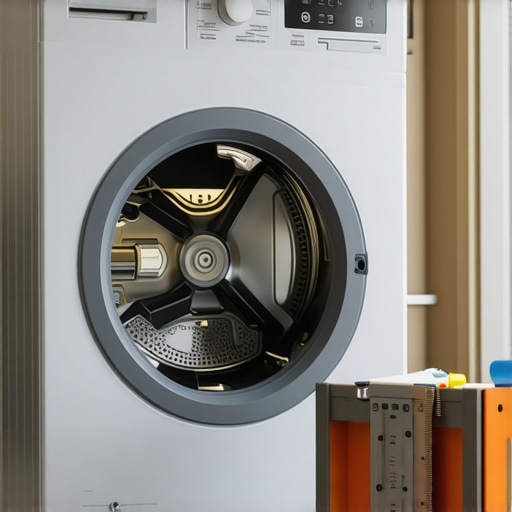
Remove the dryer’s top panel and front panel to reach the drum and belt assembly. Unscrew the screws securing the top panel, usually located at the back. For front panels, carefully pry off the console or control panel if needed, then unclip the front panel. Use the putty knife to release any clips holding panels in place. When I replaced my belt, I found that disconnecting the vent hose at the back eased access. Tackle each step methodically—rushing increases the risk of damaging parts.
Identify and Remove the Old Belt
Locate the drive belt looped around the drum and tension pulley. Take a photo to remember the routing; this helps during reassembly. Carefully slide the belt off the motor pulley and drum. If the belt is broken, you’ll see frayed edges or missing sections. While doing this, I noticed my belt had cracks, signaling it was near failure. Removing the broken pieces prevents them from catching and causing further damage.
Prepare and Install the New Belt
Compare the new belt against the old one for size and markings. Loop the belt around the drum and motor pulley, following the original routing as per your photo. Some belts have a textured side; ensure it faces the drum, promoting better grip. Carefully slip the tension pulley back into position, guiding the belt over it. During my second attempt, I found that double-checking the belt’s position saved me from redoing the process. Proper alignment ensures smooth drum rotation and reduces wear.
Reassemble and Test Your Dryer
Replace all panels and screws securely, reconnect vent hoses if detached, and restore power. Turn on the dryer and run a short cycle to verify operation. Listen for unusual noises, ensuring the belt runs smoothly without slipping or squealing. Once I completed this step, my dryer operated flawlessly, drying clothes evenly and quietly. Remember, testing immediately catches issues early, saving you headaches later. This simple fix can restore your dryer’s function and prolong its lifespan, often avoiding costly professional repairs.
Many homeowners operate under misconceptions about appliance repair, especially regarding same-day service, installation, and warranty coverage. Let’s explore these nuances that often trip people up, so you’re better prepared and informed.
Are All Repairs Covered Under Warranty? Think Again
While warranties promise peace of mind, they don’t always cover every repair. For instance, damage caused by improper installation or use of incompatible water softener settings can void your warranty—the water’s hardness level, for example, can eliminate warranty protection if not properly managed (see why water hardness matters). Many believe that any repair within warranty terms is free, but reading the fine print is crucial to avoid unexpected costs.
Another common myth is that warranties cover damage from power surges. However, manufacturer’s warranties often exclude surge-related damage, unless a surge protector was installed. Using a proper surge protector can save your appliances and preserve warranty validity. This is especially true with smart appliances, which often require additional safeguards (learn about protecting your smart home).
Same-Day Service: Is It Always Better? Not Necessarily
Many assume that opting for same-day appliance repair guarantees the fastest fix. While urgency is understandable, aggressive scheduling might lead to rushed diagnoses, increasing the chance of overlooking underlying issues. For example, a fast repair might temporarily restore function but miss root problems like faulty wiring or compromised components that could cause repeat failures. In some cases, a slightly longer wait allows professionals to perform comprehensive inspections, ultimately saving money and hassle.
Moreover, some companies label themselves as offering “same-day service” but lack the staffing or parts availability, leading to delays or incomplete repairs. Always verify the repair company’s reputation and see if they follow detailed diagnostic procedures rather than just quick fixes.
Installation Accuracy Isn’t Optional
Improper installation is one of the most overlooked factors leading to early appliance failure. Many believe installing a new dishwasher or refrigerator is straightforward, but incorrect leveling, inadequate securement, or neglecting to connect proper water and power sources can cause issues down the line. For example, the common mistake of skipping the anti-tip bracket installation for wall ovens can result in shifting and damage—check out this installation tip to ensure safety and longevity.
Furthermore, some install new appliances without updating firmware or ensuring compatibility with existing smart home systems, risking connectivity problems and reduced performance (secure your smart system here).
What About the Confidence Trap? When Overconfidence Hurts
Believing that DIY fixes are always safe can lead to costly mistakes. While basic repairs save money, tackling complex issues like gas line adjustments or electrical wiring without proper knowledge can be dangerous, sometimes resulting in voided warranties or safety hazards. The general advice is to know your limits; for instance, replacing a gas range component should be left to licensed technicians (here’s why).
In summary, understanding the fine print of your warranties, carefully evaluating urgent repair claims, ensuring proper installation, and recognizing your skills’ limits can prevent costly mishaps. Did you fall into any of these traps? Share your experiences in the comments, and let’s keep the conversation going!
Keep It Running with Precision Tools
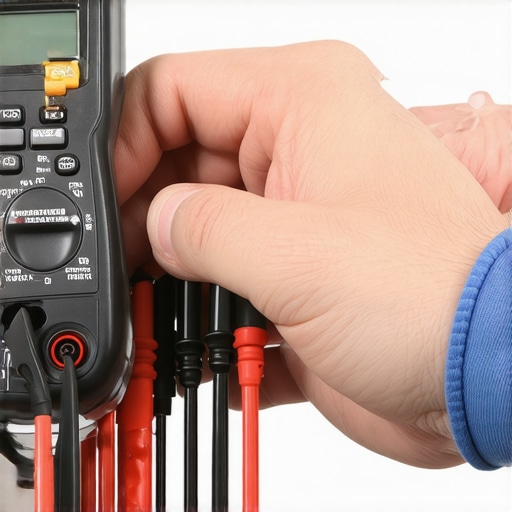
Maintaining your appliances over the years demands more than just basic know-how; it calls for the right tools. I personally swear by a high-quality digital multimeter, such as the Fluke 117, for diagnosing electrical issues in dryers and washing machines. Its accuracy helps me pinpoint faulty sensors or wiring problems efficiently, avoiding unnecessary part replacements. Additionally, I rely on a set of fine-tip screwdrivers and a spray bottle with compressed air to clean vents and internal components, ensuring optimal airflow and performance. These tools not only save me trips to the repair shop but also give me confidence in tackling complex repairs.
Leveraging Software for Diagnostics and Scheduling
Beyond manual tools, I’ve integrated diagnostic software compatible with many modern appliances—like certain smart refrigerators and ovens—that connect via Wi-Fi. These platforms can run self-diagnosis reports, alerting me to potential issues before they escalate. For instance, a recent update to my smart oven’s app helped me identify a faulty temperature sensor module, allowing me to replace it proactively. Scheduling regular maintenance check-ins through these apps keeps my appliances in top shape and minimizes unexpected breakdowns. As technology advances, I predict a future where AI-driven diagnostics will be standard, further extending appliance lifespan and efficiency.
How Do I Maintain Appliances Over Time?
Consistent maintenance is the key to long-lasting appliances. I recommend setting a routine schedule to perform visual inspections—checking belts, filters, and seals—and cleaning filters and vents regularly. For dishwashers and laundry machines, adjusting water softener settings appropriately prevents mineral buildup that can damage internal parts (see how water softener settings matter). Employing specialized brushes and cleaning agents tailored for each appliance helps remove buildup and prolongs component life. Additionally, documenting each repair and maintenance activity assists in tracking issues and ensures warranties remain valid. Remember, early attention to small problems can prevent costly repairs later.
Future of Appliance Maintenance
The trend clearly points toward smarter, more integrated maintenance solutions. With the rise of IoT-connected devices, expect appliances to self-report issues in real-time, prompting remote diagnostics and even automated part ordering. This evolution will make proactive maintenance accessible even to non-experts, further reducing downtime and repair costs. Embracing these innovations now by adopting the right tools and practices positions you at the forefront of appliance care, ensuring efficiency and longevity for years to come.
One advanced step you can take today is installing a smart diagnostic device compatible with your appliances—like a Wi-Fi-enabled sensor that monitors internal conditions—and scheduling automated alerts for maintenance needs. This proactive approach can save you significant money and stress in the long run, and it’s easier than ever to set up with the growing availability of smart home integrations.