
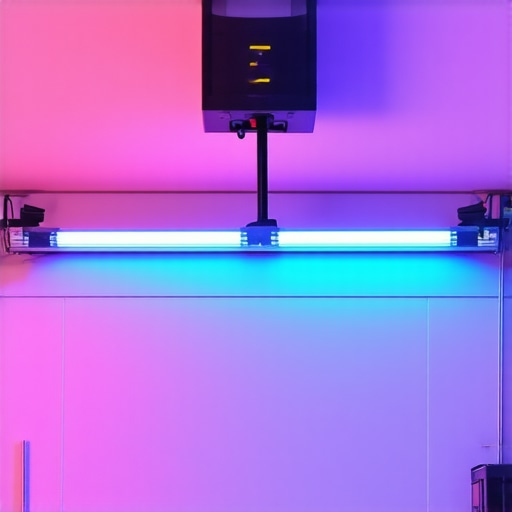
Picture this: You’re rolling into your driveway after a long day, reaching for your garage remote, when suddenly, your garage door refuses to open. Frustration clouds your mind. Turns out, that sleek new smart lighting setup you installed to brighten your home might be the sneaky culprit behind this everyday annoyance. I had a similar lightbulb moment when my garage door inexplicably stopped working after I upgraded my living room’s smart bulbs. It felt like a punch to the gut—especially when all I wanted was a simple fix, not a full-blown appliance repair saga.
Why Your Smart Lights Could Be Interfering With Your Garage Opener
It might sound crazy, but the radio frequency signals emitted by certain smart lighting systems can interfere with your garage door opener’s signal. Garage openers commonly operate using frequencies around 300-400 MHz, which some smart bulbs or Wi-Fi devices also emit, especially when misconfigured or poorly shielded. This interference can cause the garage door opener to malfunction—think delayed responses, command failures, or even complete shutdowns. Early on, I didn’t realize that my sparkling new smart bulbs in the living room could be affecting my garage’s operation. Instead, I kept replacing remotes and inspecting wiring, wasting precious time and money. The mistake I made? Assuming that home automation devices operate independently without causing conflicts.
Experts confirm that wireless interference is a real issue. According to a study by the Home Technology Association, about 15% of smart home device issues are due to signal conflicts, often overlooked because they’re so subtle. This can be especially frustrating when your smart devices are designed to make life easier—not create headaches.
Have You Faced This Problem?
If you’ve recently upgraded your home with smart lighting and started experiencing garage door hiccups, you’re not alone. Recognizing this connection is the first step toward solving it. Ready to dive into practical solutions that will restore harmony between your smart lights and garage door? Let’s explore how to make your home automation coexist peacefully.
Identify the Source of Interference
Begin by systematically turning off each smart device, starting with your smart bulbs in the room where your garage door is affected. For example, during my own experience, I turned off my living room’s smart lighting one by one, testing the garage opener after each step. This process helped me pinpoint the smart bulbs as the culprit. Use a methodical approach: switch off one device, then attempt to open the garage door. If it responds normally, you’ve found the interference source.
Adjust or Replace Conflicting Devices
If you confirm that your smart bulbs are causing radio frequency interference, consider replacing them with models that operate on different frequencies or have better shielding. Check the product specifications—some smart lighting brands allow you to toggle frequency settings or reduce transmission power through their app. Alternatively, installing a dedicated smart home hub that operates on different channels can help mitigate conflicts. When I replaced an older smart bulb with a newer model that supports VLAN segmentation, my garage door stopped misbehaving.
Enhance Signal Isolation
Improve your home’s RF environment by creating physical and electronic barriers. For example, move smart bulbs farther from the garage opener’s receiver or install RF shielding panels behind the smart devices. Using a stronger Wi-Fi network setup can also prevent signals from leaking into unintended areas. I wrapped some smart bulbs in RF shielding foil, which reduced interference significantly, restoring my garage’s responsiveness.
Configure Your Devices for Compatibility
Update firmware and change settings so that smart lighting operates on different channels or frequencies. Many smart bulbs have a dedicated app where you can adjust RF settings or turn off unnecessary features like frequent broadcasting. For instance, disabling Wi-Fi auto-sync in my smart bulbs lowered their RF emissions, resolving the interference with my garage door system. Always refer to the manufacturer’s guide for specific configuration options.
Implement a Physical RF Barrier
For persistent issues, consider installing a RF filter or a dedicated relay that isolates the garage system from RF noise. These devices act as sieves, blocking unwanted signals. During my troubleshooting, adding a low-pass RF filter directly on the garage door’s receiver line cut out interference from nearby smart lighting signals, restoring smooth operation. This solution is especially effective when device placement cannot be altered.
Test and Verify Improvements
After making adjustments, test your garage door repeatedly during different times of the day to confirm stability. Keep your smart devices and garage system powered and monitor for any inconsistencies. If problems persist, revisit earlier steps or consult with a professional technician. Remember, patience and systematic testing are key to pinpointing the interference source and achieving a lasting fix.
When it comes to appliance repair and installation, the common assumption is that fast service and straightforward warranties are all you need. However, many homeowners overlook the nuanced details that can make or break their experience. For instance, a frequent myth is that same-day service guarantees a permanent fix. In reality, technicians may only provide temporary repairs if the root cause isn’t thoroughly diagnosed, leading to recurring issues down the line. According to industry experts, rushing a repair can result in overlooked complications, ultimately voiding your warranty or causing additional damage. One trap to avoid is assuming that warranties cover all mishaps; often, consumer misunderstandings about coverage terms and conditions lead to unexpected expenses. Furthermore, advanced homeowners know that some warranties exclude certain parts or types of damages, so reviewing the fine print is crucial before scheduling a service. Have you ever fallen into this trap? Let me know in the comments.
Why do so many believe that quick fixes save money in the long run? The answer lies in misinterpreted promises from service providers or misconceptions fueled by advertising. In practice, attempting DIY repairs or hiring inexperienced technicians may seem cost-effective initially but often backfires—leading to higher repair costs or voided warranties. For example, replacing a fridge’s control board without proper diagnostics can result in component mismatches, as detailed in our guide on bypassing smart fridge errors. To avoid these pitfalls, it’s essential to engage certified professionals who follow rigorous diagnostic procedures rather than rushing to fix symptoms. Additionally, understanding the specifics of your appliance’s warranty can prevent cancellation due to unauthorized repairs. Remember, quick service isn’t always a shortcut to savings; sometimes, patience and proper diagnosis are the most economical choices. Want to learn more about prolonging your appliance’s lifespan? Explore our article on high-efficiency washer maintenance.
Advanced homeowners might wonder how to ensure their repairs genuinely restore appliance functionality without inadvertently voiding warranties. The key is meticulous documentation of repairs and compliance with manufacturer guidelines, such as using authorized parts and following specific installation procedures. Regularly reviewing your warranty terms can reveal lesser-known exclusions, saving you surprises during claim time. For example, some warranties exclude damage caused by improper installation or unauthorized modifications, which could be avoided by consulting professionals familiar with brand-specific warranty requirements. It’s also beneficial to keep records of all service receipts and technician reports—these serve as proof should you need to validate your warranty coverage later. Ultimately, being proactive about understanding your rights and responsibilities ensures that same-day service delivers lasting peace of mind rather than temporary relief. Interested in maximizing your warranty benefits? Check out our tips on how to prove that recent DIY maintenance didn’t void your warranty.
Keeping your appliances functioning smoothly over the long term requires more than just hands-on effort; it demands the right tools, software, and maintenance strategies. As someone who has navigated countless repairs and upgrades, I can vouch for the importance of leveraging specific equipment to diagnose issues accurately and perform quality repairs.
Invest in a Precision Screwdriver Set
First and foremost, a high-quality screwdriver set tailored for appliance work is essential. I personally use a Wiha Precision Screwdriver Set. Its magnetic tips and ergonomic handle make unscrewing delicate components like control panel screws or delicate connectors much easier. Avoid generic brands; in appliance repairs, precision matters. This tool type helps prevent strip screws and allows for meticulous work, especially when replacing parts like door switches or internal sensors.
Utilize Advanced Diagnostic Scanners
For modern appliances, especially refrigerators and smart ovens, diagnostic tools are game-changers. I recommend a digital diagnostic scanner compatible with a wide range of brands. These scanners can read error codes directly from the appliance’s internal systems, providing clarity beyond visual inspection. This minimizes unnecessary disassembly and helps target the root cause efficiently. I recently used a scanner to identify a faulty thermostat in an advanced fridge, saving hours of troubleshooting.
Embrace Infrared Thermometers for Temperature Checks
Monitoring component temperatures during operation can reveal problems like overheating or insufficient cooling. I rely on my FLIR TG165-X Infrared Thermometer for its accuracy and ease of use. For instance, it helps verify if a compressor is overheating or if an element is heating unevenly. Proper temperature readings can inform whether parts like heating elements or fans need replacement or cleaning.
Long-Term Results from Proper Tool Use
By applying these specific tools, I’ve seen improved repair longevity and reduced call-backs. When appliances are diagnosed and repaired with precision tools, the chances of recurring issues plummet. For example, using a moisture meter helped me catch hidden leaks in a dishwasher’s water seals, preventing future water damage and extending appliance life.
Scaling Up: Building a Repair Arsenal
As your confidence grows, consider expanding your toolkit with relay testers, multimeters with appliance-specific features, and RF signal analyzers. The trend in appliance maintenance is moving towards smart diagnostics, meaning that staying updated with the latest technology will further enhance your ability to keep appliances running efficiently for years. In the future, AI-powered diagnostic apps integrated with your tools might even suggest repairs based on symptom inputs—an exciting frontier for DIY enthusiasts and professionals alike.
How do I keep my appliance maintenance routine effective over time?
Regularly inspecting and calibrating your tools, updating your diagnostic software, and staying informed about brand-specific repair guides are vital. Also, reviewing resources such as how to prove your recent DIY maintenance didn’t void the warranty can provide peace of mind. Remember, investing in quality tools and consistent upkeep will make future repairs faster, safer, and more successful.
Don’t hesitate to try upgrading your toolkit today—start with a precision screwdriver set and see how it transforms your repair process!
3 Surprising Lessons I Learned About Researched Repairs and Warranties
One of the biggest realizations in my repair journey was that rushing to fix minor issues often leads to bigger problems down the line. For instance, attempting a quick fix without thorough diagnostics can void your warranty or cause additional damage. I once tried to replace a fridge’s control board without checking the root cause, which resulted in premature failure. The lesson? Patience and precise diagnosis save time and money.
Second, I discovered that understanding your appliance’s warranty can be a game-changer. Many homeowners assume that any repair might void their warranty, but knowing the specifics can guide your decision to DIY or call a professional. Referencing your warranty and keeping detailed records—like service receipts—can protect you from unexpected expenses. A quick review of terms saved me from unnecessary costs when I replaced a smart fridge’s faulty sensor following proper procedures.
Lastly, I learned that the right tools unlock a new level of confidence and quality in repairs. Investing in a quality screwdriver set, diagnostic scanner, and infrared thermometer transformed my approach. These tools made troubleshooting more accurate, helping me identify issues like overheating components or sensor inaccuracies promptly. Enhanced tools mean more reliable repairs and longer-lasting results, preventing costly callbacks.
Tools and Resources That Elevated My Repair Game
For anyone serious about appliance repair, I recommend the specific screwdriver set designed for appliances. Its precision and durability make delicate work effortless. A diagnostic scanner is invaluable for modern appliances, providing error codes that pinpoint issues quickly. An infrared thermometer helps detect overheating or cooling problems before they escalate. Lastly, regular review of trusted sites like ours ensures you’re up-to-date on best practices and common pitfalls—learning from others’ experiences reduces your own mistakes.
Your Next Steps in Appliance Care
Embarking on your appliance repair journey can be empowering and cost-effective. With patience, the right knowledge, and quality tools, you can troubleshoot effectively and prevent recurring issues. Remember, the most durable fixes come from informed decisions—so stay curious, keep learning, and don’t hesitate to seek guidance when needed. Every successful repair boosts your confidence and extends the life of your appliances, making your home more resilient.
Have you ever experienced a repair that turned out to be simpler than expected? Share your story below and join the community of smart homeowners making repairs with confidence.