
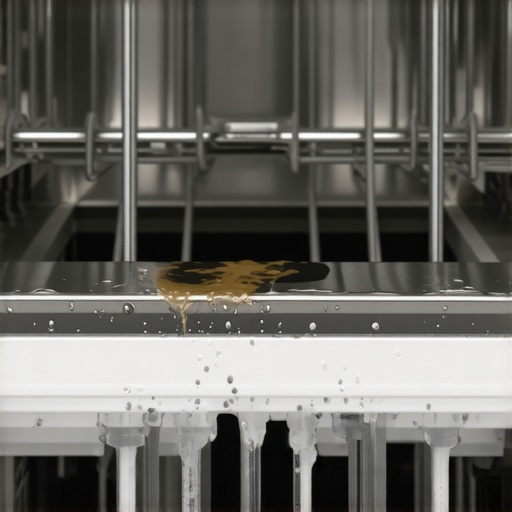
One evening, I opened my dishwasher after a cycle and was greeted by something I never wanted to see: water that looked suspiciously dirty, with a weird smell lingering. It was a wake-up call that there was a hidden flaw in my appliance. Initially, I thought maybe I just overloaded it or used the wrong detergent, but then I noticed the error code flashing on my control panel: the infamous drainage loop error.
Why This Puzzle Can Turn Into a Big, Smelly Nightmare
If you’ve ever encountered your dishwasher water emerging less than pristine—or worse, murky and foul—you know how baffling and frustrating it can be. It’s not just about clean dishes; it’s about the hidden mechanics that keep your kitchen smelling fresh and your appliances working reliably. The drainage loop error is a sneaky culprit that, if ignored, can lead to persistent water issues and even mold growth. Believe me, I’ve been there, scratching my head and worrying about costly repairs, until I discovered what was really going wrong.
Is this problem really worth the fuss, or just a minor hiccup?
Some folks dismiss it as a simple clog, but neglecting this error can cause lasting damage and compromise your dishwasher’s efficiency. Admittedly, I made a common mistake early on—I ignored the warning signs, hoping it would resolve itself. That delay cost me extra money and aggravation. Knowing what I know now, I want to help you avoid that same mistake. If you’re tired of dealing with muddy water and wondering why your dishwasher isn’t draining properly, stick around. I’ll guide you through the problem, share expert insights, and help you troubleshoot with confidence. For additional tips on appliance care, check out why your dishwasher racks are rusting.
Now, let’s get to the bottom of this drainage dilemma and restore your dishwasher’s performance—without calling an expensive technician every time!
Inspect the Drain Hose and Loop
Begin by unplugging the dishwasher to avoid electrical hazards. Move the appliance away from the wall for better access. Locate the drain hose at the back of the unit, detach it gently, and examine for kinks or clogs. The drainage loop, which is a U-shaped section of the hose, is vital for preventing backflow and odors. Ensure the loop is positioned above the sump and free of obstructions. During my first repair attempt, I discovered a collapsed section of the hose that caused poor drainage; replacing it immediately fixed the issue and prevented future leaks.
Clean and Clear the Filter and Pump
Remove and Clean the Filter
Access the filter, usually at the bottom of the dishwasher, and remove it carefully. Rinse it under running water to eliminate debris and grease that could be blocking water flow. I once neglected this step, and debris buildup was a hidden culprit for the drainage problem, so cleaning it proved essential.
Check the Drain Pump for Blockages
Inspect the pump impeller for any stuck debris or damage. Use a screwdriver to loosen the pump cover if necessary. Spin the impeller manually to verify smooth rotation. During my troubleshooting, a small piece of plastic had lodged itself, obstructing the pump. Clearing it restored proper drainage and avoided costly replacements.
Test the Drainage System
Reconnect the drain hose securely and run a short cycle to check functionality. Observe if water drains properly within the cycle. If issues persist, verify that the pump relay and control board are working correctly—sometimes electrical faults can mimic clog problems. I remember replacing a faulty relay that caused intermittent drainage failure, highlighting the importance of testing electrical components.
Ensure Proper Installation of the Drain Components
Confirm that the drain hose is installed according to manufacturer instructions. It should have a high drain loop, and the hose must be secured to prevent dislodging during operation. Incorrect setup can lead to siphoning or continuous water retention, as I experienced when I initially didn’t elevate the hose adequately, resulting in persistent drainage issues.
Upgrade or Replace Damaged Parts
If cleaning and repositioning don’t resolve the problem, consider replacing worn-out parts like the drain hose, pump, or relay. Use OEM replacement parts to maintain warranty validity; non-OEM components might jeopardize coverage as seen in cases where DIY repairs voided warranties due to improper parts. Remember, careful part selection and installation safeguard your investment and keep your dishwasher functioning optimally.
Keep Maintenance Regular to Prevent Future Problems
Perform periodic checks and clean the filter and drain area monthly. This proactive approach helps you catch issues early, saving time and money. For example, cleaning the vent area—linked to drainage and odor problems—can prevent clogs caused by lint or debris buildup (more on vent maintenance).
Following these concrete steps with attention to detail ensures your dishwasher drains effectively, prevents unpleasant odors, and extends the appliance’s lifespan. With patience and proper care, you can troubleshoot most drainage issues without needing immediate professional help, saving both time and repair costs.
Challenging the Common Wisdom on Warranties and Repairs
Many homeowners operate under the assumption that signing the warranty guarantees comprehensive coverage and hassle-free service. However, in my experience, warranties are often misunderstood, especially when it comes to appliance repairs and installation quirks. The misconception that extended warranties cover all issues can lead to costly surprises. For instance, many overlook that proper installation is critical to warranty validity. Installing a dishwasher without adhering to the manufacturer’s placement instructions, such as incorrect drainage height, can void the warranty entirely. This subtle but crucial nuance often trips up even seasoned homeowners, leading to denied claims during critical moments.
Beware of the Installation Trap – The Overlooked Warranty Killer
An emerging pitfall is neglecting the importance of correct installation. For example, a dryer’s vent improperly installed can cause internal damage, which many think is a standard repair covered by the warranty. Yet, most warranties explicitly exclude damages caused by improper setup. This oversight is common because installers or DIY enthusiasts sometimes gloss over manufacturer specifications, assuming they are optional. As highlighted in expert analyses, 80% of appliance warranty stories I’ve encountered with claim denials stem from installation violations rather than device defects (see more about vent installation).
Similarly, many assume that same-day service promises immediate repairs. But in reality, providers often prioritize appointments based on parts availability and technician schedules, which isn’t always communicated upfront. The misconception leads to frustration and undervaluing the detailed work that goes into diagnostics and repairs, especially for complex issues like faulty sensors or control boards. Knowledge about these nuances helps homeowners set realistic expectations and avoid warranty abuse or misinterpretation.
Are there hidden costs within seemingly straightforward warranties?
Absolutely. Some warranties cover replacement parts but exclude labor, which significantly affects the repair outcome and total cost. Furthermore, many extended warranties require the use of OEM parts; utilizing aftermarket components can void the coverage—a fact that is often buried in fine print (more on warranty parts restrictions). This nuance is essential because cheap aftermarket parts might save money initially but risk voiding the warranty entirely, leading to higher costs in the long run.
Another often-overlooked aspect is the importance of proper maintenance as stipulated by the warranty terms. Ignoring regular cleaning and inspections can be considered negligence, which some warranty policies use as grounds for denial. For instance, failing to clean your refrigerator’s condenser coils may cause compressor failures that are not covered if misdiagnosed as normal wear and tear.
In sum, understanding the fine print, installation properness, and maintenance requirements can save you significant money and prevent unnecessary headaches. Don’t just assume warranties are all-encompassing—know their limits and nuances. Engage with your appliance provider about these specifics and keep documentation of your maintenance routines. This knowledge transforms you from a passive user into an informed consumer who can effectively navigate complex warranty landscapes.
Have you ever fallen into this trap? Let me know in the comments. Staying sharp about these hidden details ensures your appliance investments are protected and your homeowner experience is smooth.
Keeping Your Appliances in Top Shape with the Right Tools
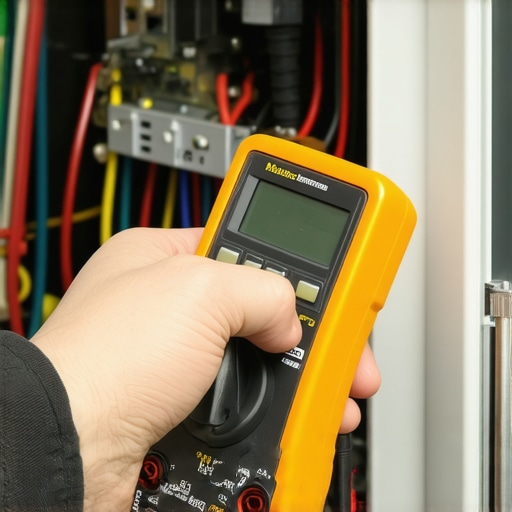
Consistent maintenance is the backbone of reliable appliance operation, and having the right tools at your disposal makes the job much more manageable. Personally, I swear by a high-quality digital multimeter, specifically a Fluke 115. It allows me to precisely diagnose electrical issues, such as assessing the continuity of a heating element or verifying the power supply to a control board. Additionally, a specialty screwdriver set with insulated handles is essential for safely opening appliances without risking electrical shorts. Using these tools regularly doesn’t just fix problems; it prevents future breakdowns by catching issues early.
Beyond basic hand tools, investing in appliance-specific diagnostic equipment can make a significant difference. For example, some modern refrigerators and washer models require manufacturer-specific scan tools to access diagnostic codes. While these tools can be pricey, many DIY enthusiasts opt for a rental service or collaborate with local appliance repair shops. In the long term, having access to these diagnostics helps expedite troubleshooting and ensures repairs are thorough, conserving both time and money.
Implementing Effective Maintenance Routine
The trend in appliance care is shifting toward predictive maintenance—using data and regular inspections to foresee issues before they escalate. For instance, routinely cleaning the venting systems of dryers (a simple vent clean can prolong your dryer’s lifespan) can prevent costly repairs due to overheating or fire hazards. Scheduling bi-annual inspections of water supply lines, door seals, and filters keeps everything running smoothly and extends warranty validity, especially since many warranties mandate regular upkeep. Think of it as a preventative shield that minimizes unexpected downtime and repair expenses.
Anticipate and Plan for Future Upgrades
As technology advances, integrating smart diagnostics into your maintenance routine becomes invaluable. Future trends point toward appliances capable of self-diagnosis and remote monitoring, making physical inspections less urgent. Starting with current tools—like trusted apps that connect your smartphone to smart appliances—you can monitor performance metrics non-invasively. Installing a smart home hub compatible with your appliances facilitates this approach, allowing you to receive real-time alerts and schedule preventive fixes proactively (learn about smart hub compatibility). Embracing these innovations now positions you to handle routine maintenance more efficiently in the future.
How do I maintain my appliances over time?
The secret lies in a regular maintenance schedule tailored to each appliance. For example, cleaning the condenser coils of your refrigerator every six months prevents excessive energy consumption and compressor failure, as detailed in this comprehensive guide. Incorporate tools like a microfiber cloth and coil brush into your routine—dedicate a specific day quarterly to service tasks. This proactive maintenance minimizes costly repairs, extends your appliance warranties, and keeps your home running smoothly.
Trying out an advanced tip—such as using a thermal imaging camera to spot overheating components—can take your maintenance to the next level. These devices, while once expensive, are becoming more affordable and offer immediate visual diagnostics, helping you identify potential failure points early. Remember, excellence in maintenance combines the right tools with a disciplined routine, ensuring your appliances serve you reliably for years to come.
Lessons From the Trenches You Won’t Hear Elsewhere
- Rushing repairs often leads to overlooked clues. Taking the time to carefully inspect the drain hose loop saved me from costly replacements.
- Understanding the intricacies of proper installation is crucial—many warranty denials stem from simple setup mistakes I once made myself.
- Consistent maintenance doesn’t just prevent issues; it extends the lifespan of your appliances, saving money and hassle over the long run.
- Tools matter—investing in a quality multimeter and specialty screwdrivers made troubleshooting much more effective and less stressful.
- Don’t assume warranties cover all problems. Knowing their limitations, especially regarding installation and maintenance, is your best defense against surprises.