
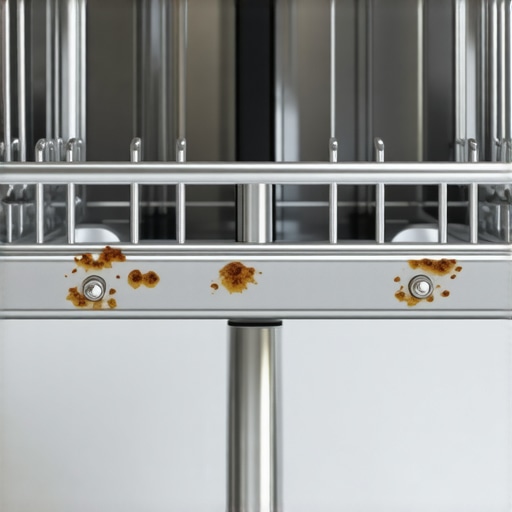
I remember opening my dishwasher one morning and noticing tiny rust spots blooming across the racks—like a sneaky garden taking over my kitchenware. It felt like a betrayal, especially after only a couple of years of careful use. Have you ever experienced that frustrating moment, where you realize your dishwasher’s interior is basically fighting a losing battle against rust?
< h2 >Spotting the Rust Dollar Sign< /h2 >
That early rusting isn’t just a cosmetic nuisance; it signals deeper issues with your appliance’s longevity. Rust can weaken racks, cause items to catch or break, and ultimately shorten your dishwasher’s lifespan. The weird thing is, many homeowners — myself included — ignore the signs or dismiss them as unavoidable, until the rust becomes unmanageable.
So, what’s really going on? Well, I’ve learned from personal trial and error, combined with some expert advice, that a lot of rust problems stem from overlooked details and initial installation mistakes. Did I properly protect my racks from corrosive elements? Not always. Did I use harsh cleaning agents that eat away at the protective coatings? Guilty. That’s why today, I want to share practical insights that can help prevent your racks from rusting prematurely.
< h3 >Is Rusting Early on Your Dishwasher Actually the End of the Line?< /h3 >
No, not necessarily. I made the mistake early on of thinking rust was inevitable, but I found that a few simple precautions, combined with maintenance tweaks, can make a big difference. One thing I overlooked was the importance of using the right detergents and avoiding abrasive cleaners that strip protective coatings. Trust me, a quick visit to the right resources, like understanding how to protect your warranty during repairs, can save you from costly replacements later.
If you’re tired of seeing those rusty patches pop up before their time, stick around. I’ll guide you through what to check, what mistakes to avoid, and how to keep your dishwasher racks looking new for years to come—because no one wants to start their day with a rusty surprise.
Inspect and Clean Racks Regularly
Start by removing your dishwasher racks monthly and inspecting them for early rust spots. Use a soft brush or cloth to clean away debris, soap scum, and mineral deposits that can accelerate corrosion. Personally, I once noticed a small rust patch and caught it early by giving the racks a thorough scrub with vinegar and baking soda, which halted further rust development.
Protect Metals with a Coating
Apply a rust-inhibiting spray or paint designed for metal surfaces on the racks. Ensure the surface is dry before and after application. When I did this, I used a high-quality enamel spray, and it created a protective barrier that significantly slowed rust formation. For best results, reapply every six months or after deep cleaning.
Use the Right Detergents and Rinse Aids
Choose non-corrosive, enzyme-based dishwasher detergents and avoid harsh chemical cleaners. Incorporate rinse aids to prevent mineral buildup, which can corrode metal parts. I switched to a phosphate-free detergent and noticed a marked reduction in rust spots, plus my glasses came out clearer.
Wash Racks Separately When Needed
If you notice stubborn spots or buildup, hand wash the racks individually using warm water and gentle detergent. This prevents abrasive particles from causing scratches that expose metal underneath. Once, I soaked my racks in a vinegar solution overnight before scrubbing, which kept rust at bay and extended their lifespan.
Adjust Water Heater Settings and Plumbing
High-temperature water accelerates rusting. Set your water heater to an optimal temperature (about 120°F or 49°C) to reduce corrosion without sacrificing cleaning performance. Additionally, check your home’s plumbing for mineral-rich water, which can deposit on racks. To avoid ongoing issues, consider installing a water softener—this can be a game-changer, especially in hard water areas. For installation tips and warranty advice, visit how to protect your warranty during a kitchen remodel.
Ensure Proper Dishwasher Maintenance
Keep the dishwasher’s filter and spray arms clean to ensure efficient rinsing and prevent mineral buildup—both known to promote rust. Run a monthly cleaning cycle with a descaling agent or white vinegar. I once neglected this and paid the price with early rust patches, but regular maintenance has since saved me costly replacements.
Preventative Measures for Long-Term Durability
Finally, avoid overloading the dishwasher, as excessive weight can cause mechanical stress on racks, leading to damage and rust. Also, make sure the racks are correctly aligned and seated. During a recent remodel, I discovered that improper installation https://discountappliancehub.com/the-hidden-installation-fault-that-makes-your-new-fridge-trip-the-breaker can cause uneven wear, so double-check your appliance setup with professional help if needed.
Implementing these steps consistently will significantly extend the life of your dishwasher racks and prevent unsightly rust from taking over your kitchenware. Regular inspections, protective coatings, appropriate cleaning routines, and proper installation are your best defenses against rust damage.
 Many homeowners assume that a valid warranty and professional installation guarantee trouble-free appliance operation, but in reality, there are numerous pitfalls lurking beneath these assurances. A common misconception is that simply following the manufacturer’s instructions suffices to keep warranties intact, yet overlooking specific actions or details can inadvertently void coverage. For example, failing to adhere to proper installation distances—such as the recommended clearance for dryers—can invalidate warranties, leading to costly repairs that could have been avoided with careful compliance. Moreover, consumers often believe that all repair services are created equal; however, choosing an unqualified technician or using non-oem parts might not only compromise appliance safety but also breach warranty terms, as highlighted in studies on warranty policy adherence. For instance, improperly performed installations or repairs can cause persistent issues like leaks, electrical faults, or inefficient performance, ultimately costing more than the initial repair. Additionally, many assume same-day service is a universal standard, but availability can be limited by factors like technician scheduling or diagnostic complexity, leaving some customers vulnerable during critical failures. To avoid these pitfalls, it’s essential to understand the nuanced requirements outlined in your appliance’s warranty documentation and ensure every step—from installation to repair—is executed according to specifications. This knowledge empowers you to advocate effectively for your appliance’s longevity and your financial interests. Have you ever fallen into this trap? Let me know in the comments.
How do I maintain my dishwasher’s performance over time?
Maintaining your dishwasher isn’t just about occasional cleaning; it involves using the right tools, adopting proper methods, and understanding future trends to ensure long-term reliability. One essential tool I personally recommend is a high-quality ultrasonic cleaning device, which effectively removes mineral buildup and detritus from spray arms and filters, preventing clogs that can lead to poor cleaning performance or component failure. Regularly using these devices, combined with a thorough manual inspection, helps catch issues early and prolongs the appliance’s lifespan.
Another critical element is employing specialized cleaning agents. I prefer enzymatic rinse aids that break down organic deposits more effectively without damaging delicate components. Coupled with a digital maintenance scheduler app—like ‘AppliGuard’—it becomes easier to stay on top of routine tasks, such as filter cleaning and spray arm flushing, which are often overlooked but vital for maintaining peak efficiency.
Looking ahead, advancements in smart diagnostics are promising. Future dishwasher models will likely feature predictive maintenance algorithms, alerting you instantly when an ultrasonic sensor detects potential issues before they become major problems. Meanwhile, integrating these tools with IoT platforms will enable remote monitoring and troubleshooting, minimizing downtime and repair costs.
What about long-term maintenance and scaling your efforts?
Scaling maintenance efforts involves adopting a proactive mindset. For instance, periodically calibrate water temperature sensors—especially if you notice longer preheating times discussed in this related article. Additionally, keep an eye on warranty conditions, as improper maintenance can void coverage. To help with this, I use a set of precision screwdrivers and a multimeter to ensure electrical connections are secure during DIY inspections, which saves money and prevents unnecessary service calls.
Consistency is key. I dedicate 15 minutes monthly to inspecting spray arms, filters, and gaskets. Using a plastic pick and a soft brush, I remove debris, preventing buildup that causes rust or inefficiency. For a deep clean, I run a vinegar and citric acid cycle to dissolve mineral deposits—something I recommend doing quarterly depending on your water hardness.
Remember, installing or replacing parts following manufacturer specs is vital. I always double-check clearances, such as the recommended distance from the wall, detailed in this guide. Proper installation not only safeguards the warranty but also ensures the appliance’s durability over the years.
So, don’t wait for rust or performance issues to crop up. Try integrating ultrasonic cleaning with your routine maintenance, and stay ahead of potential problems. Regularly using the right tools and following best practices will keep your dishwasher humming smoothly for years to come, even as technology advances.

Image idea: A close-up of a homeowner inspecting a dishwasher spray arm with a small brush and ultrasonic cleaner, illustrating proactive maintenance efforts. The image highlights tools and procedures that help prolong appliance life, emphasizing the importance of consistent care.
Three Surprising Truths Nobody Tells About Dishwasher Rust Prevention
During my journey to keep my dishwasher in top shape, I discovered that rust isn’t just a surface issue but a sign of deeper neglect—like ignoring a silent alarm. The first lesson I learned was that flimsy protective coatings on racks can be easily compromised by routine use, making proactive application of rust-inhibiting sprays essential. Secondly, regular water quality checks and softened water drastically cut down mineral deposits that accelerate corrosion—something I overlooked initially. Lastly, ignoring early rust spots is a trap; catching them in time with inspection and gentle cleaning has saved me hundreds in repairs and replacements.
My Top Picks for Overcoming Appliance Hurdles
To stay ahead, I rely on tools like ultrasonic cleaners for deep holiday buildup removal, which you can find from trusted brands like [Ultrasonic HomeCare](https://www.ultrasonichomecare.com). I also swear by enzyme-powered dishwasher detergents—these clean without damaging protective layers. For expert advice, I consult resources like how to protect your warranty during a kitchen remodel. This guide has been invaluable in understanding installation pitfalls that void warranties, which is crucial for avoiding costly mishaps.
Let’s Take Action—Your Dishwasher Deserves It
Now it’s your turn: what’s one habit you can adopt today to extend your dishwasher’s lifespan? Remember, small proactive steps, like regular inspections and gentle cleaning routines, build up to significant long-term benefits. Don’t wait for rust or performance issues to become emergencies—start implementing these insights now and enjoy peace of mind knowing your appliance can serve you reliably for years to come.