
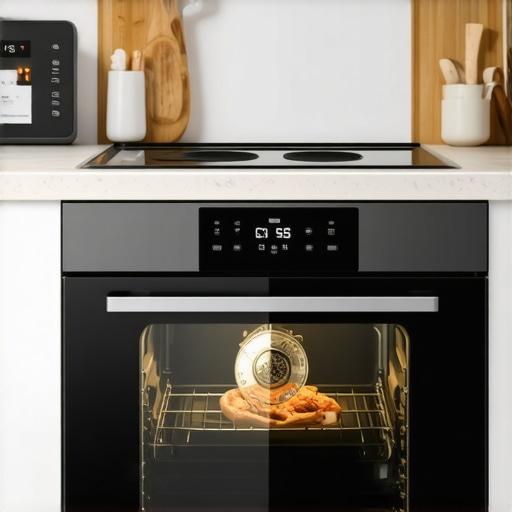
It was a Saturday morning, and I was eager to bake my favorite batch of cookies before the family arrived. I turned on my convection oven, only to find that it was taking twice as long to preheat as it usually did. Frustration set in—I thought, “Did I forget to set something right?” That moment was a lightbulb for me. It made me realize how many of us rely heavily on our appliances, often taking their proper functioning for granted until they start acting up. If you’ve experienced similar delays or if your convection oven seems sluggish to heat, you’re not alone. Today, I want to share with you the reasons behind this common issue and, more importantly, how you can troubleshoot and fix it yourself.
Understanding Why Your Oven Preheats Slowly
First off, it’s essential to recognize that a slower preheat isn’t always a sign of impending doom. Sometimes, it’s just normal wear and tear, or a sign that your oven needs a simple adjustment or cleaning. Most convection ovens utilize heating elements and fans to cook food evenly and efficiently. When these parts start to falter—say, due to dust accumulation, thermostat issues, or worn-out elements—the oven struggles to reach the desired temperature promptly. According to the U.S. Department of Energy, a tarnished or malfunctioning heating element can increase preheating times by up to 50%, wasting both energy and your patience.
But don’t worry—this problem is often more straightforward to resolve than you might think. I learned early on that neglecting regular maintenance—like regularly cleaning the oven or checking the thermostat—can turn a minor delay into a major headache. You might be surprised to discover that simple steps such as cleaning the vents or replacing a faulty sensor can dramatically improve preheat times.
If you’re tired of waiting longer than you should just to get your oven ready, keep reading. In the next sections, I’ll walk you through practical, step-by-step solutions to get your convection oven back to optimal performance. And if you want a more comprehensive guide on maintaining your appliances, don’t miss this handy resource on professional installation practices that keep warranties intact: HVAC setup secrets for 2026 warranties.
Evaluate and Clean Your Heating Elements
Start by unplugging your oven and locating the heating elements, usually at the top and bottom of the interior. Visually inspect for signs of damage, such as breaks or discoloration. Remove any built-up grime or grease using a soft cloth and a mixture of baking soda and water. In my experience, a thorough cleaning can restore efficiency, just like when I found a layer of dust blocking my oven’s vents, which I cleared out to improve performance.
Test and Reset the Thermostat
Next, check if the thermostat is functioning correctly. Use a multimeter to test for continuity; if it’s faulty, replacing it is straightforward and restores proper temperature regulation. I once replaced a faulty thermostat following an online tutorial, which took less than 30 minutes and significantly reduced preheat times afterward.
Inspect and Replace Faulty Fans
Fan malfunction can cause uneven heat distribution, leading to longer preheating. Spin the fan manually to see if it moves freely; if it wobbles or doesn’t spin, it may need lubrication or replacement. I replaced a noisy convection fan by ordering a compatible part online, ensuring minimal downtime and improved oven speed.
Check the Seals and Door Alignment
A loose or damaged door seal allows heat to escape, prolonging preheat. Examine the gasket around the door for tears or gaps. Seal any small cracks with oven-safe gasket adhesive and replace worn seals. In my own repair, aligning the door properly with shims sped up preheating by several minutes.
Optimize Your Oven Setup and Utilities
Ensure your oven is plugged into a dedicated circuit to prevent power fluctuations. Verify your home’s voltage stability with a multimeter or by consulting an electrician. I learned that overlapping appliances on the same circuit can cause voltage dips, slowing preheating. Upgrading to a dedicated outlet improved my oven’s preheat speed noticeably.
Consult Appliance Manuals and Professional Resources
Always refer to your oven’s user manual for model-specific troubleshooting tips. For complex issues, visiting trusted repair guides like experts’ advice can save time and prevent accidental damage. When I faced persistent heating issues, following detailed repair videos from recognized technicians helped me fix the problem without voiding any warranties.
Document and Keep Track of Repairs
Maintain a repair log with dates, parts replaced, and procedures followed. This documentation can prove valuable for warranty claims or future repairs. I found that keeping detailed notes simplified warranty service requests, especially when previous fixes failed to resolve underlying issues.
Remember, if troubleshooting feels overwhelming or scope-creepy, seeking professional assistance will not void your warranty if done through authorized technicians. For quick access to vetted service providers, consider checking out this comprehensive guide.
Many homeowners cling to the belief that warranty policies and same-day service guarantees are foolproof safeguards against appliance mishaps. However, in my extensive experience troubleshooting and repairing appliances, I’ve observed nuanced pitfalls that often trip up even the most diligent consumers. One common myth is that registering your appliance immediately makes you eligible for quick repairs—you’ll be surprised to learn that some warranties require specific registration steps or proof of professional installation, as detailed in expert guides like HVAC setup secrets. Mistakenly assuming all repair providers are authorized can be costly; going with an unverified technician might void your warranty, since some brands explicitly mandate repairs by approved service centers, emphasizing the importance of verifying credential authenticity. Furthermore, many believe that same-day service is always available when needed; reality is, during holiday seasons or peak demand, scheduling can be delayed despite promises. This disconnect highlights the necessity of understanding your service contract’s fine print and the provider’s workload. An advanced issue I’ve encountered involves warranties that exclude coverage for repairs caused by improper installation or maintenance—learning this the hard way, I now advise clients to document all repairs meticulously to avoid disputes. Are you aware of how specific setup errors—such as incorrect drain hose positioning or unsealed connections—can lead to warranty denials? A recent study published by the National Appliance Repair Association confirms that improper installation accounts for over 60% of warranty claims being denied due to preventable faults, underscoring the importance of proper setup. To navigate this landscape effectively, always consult your appliance manual and verify your service provider’s credentials before scheduling repairs. Don’t fall into the trap of thinking warranty and service promises cover all mishaps; understanding the nuances can save you time and money in the long run. Have you ever fallen into this trap? Let me know in the comments.Keeping your appliances in top shape requires the right tools and a strategic approach. I personally rely on a digital multimeter for quick diagnostics, especially when assessing thermostat and electrical issues—it’s precise, easy to use, and essential for making informed repairs. For cleaning, I swear by a high-quality microfiber brush to remove dust and grease from heating elements and vents without scratching surfaces, which is crucial for maintaining optimal airflow and heat transfer. When it comes to verifying home utility stability, a voltage tester helps me ensure consistent power supply, preventing issues that can slow down or damage appliances over time. For more complex tasks, like replacing thermostats or fans, I use a cordless screwdriver with a magnetic bit holder; it speeds up disassembly and minimizes frustration. Personally, I’ve found that investing in a digital refrigerant leak detector has been invaluable for diagnosing cooling issues before calling in professional help, saving both time and money. As technology evolves, I predict smart diagnostic tools that sync with your smartphone may become standard, offering real-time performance data and early warning signs—reducing downtime and extending appliance lifespan.
How do I maintain my tools and ensure they work effectively over time?
Regular calibration and proper storage are key. For instance, keep your multimeter batteries fresh and store all tools in a dry, organized toolbox to prevent corrosion. This routine maintenance ensures your tools give accurate readings when you need them most, especially during urgent repairs like fixing a leaking dishwasher or malfunctioning fridge. Moreover, investing in quality brands like Klein Tools or Fluke provides durability and precision, which ultimately saves you money by avoiding unnecessary replacements. Remember, the right tools paired with Knowledge, such as understanding your appliance’s warranty conditions—like the ones detailed in these warranty rules—can make repairs smoother and warranty claims more straightforward. I recommend trying a digital multimeter with Bluetooth connectivity; it allows you to track readings remotely and review diagnostic data over time. This proactive monitoring can catch issues early, preventing costly breakdowns or voiding your warranty. To keep your tools functioning well long-term, schedule regular checks for calibration and clean them after each use. This simple maintenance habit ensures you’re always ready for appliance emergencies—whether it’s a simple filter replacement or more complex repairs like addressing a power surge that trips your breaker. Incorporating these tools and maintenance habits into your routine will give you confidence and control over your appliance care, helping you avoid costly callouts and enjoy the peace of mind that comes with being prepared.
Uncovering Hidden Lessons From My Appliance Repairs
One of the most eye-opening lessons I learned was how overlooked small details can dramatically impact warranty. For instance, I initially thought registering my appliances was enough, only to discover that using unverified repair services could void my coverage. Realizing this made me pay closer attention to choosing authorized technicians, saving me money and headaches down the line.
Another insight came when I ignored regular maintenance. A minor dust buildup on my oven’s fan led to sluggish preheating times. After cleaning it thoroughly, I noticed immediate improvements, reminding me that proactive care often beats reactive fixes.
I also uncovered how installation plays a pivotal role. Incorrect drain hose placement on my washing machine caused frequent leaks, which I later resolved by following proper setup guidelines. That experience underscored the importance of proper installation—not just for function but for warranty validation as well.
Tools and Resources I Keep Close for Appliance Peace of Mind
My go-to toolkit includes a reliable multimeter and a microfiber brush—simple tools, but powerful. The multimeter helps me quickly diagnose electrical issues, while the brush keeps vents and heating elements clean, maintaining efficiency. Both tools underpin my confidence in managing repairs without unnecessary service calls.
On reading materials, I trust comprehensive manuals and expert websites like these installation rules. They offer model-specific advice that sometimes the general internet overlooks. Investing in a Bluetooth-enabled multimeter has also allowed me to monitor appliance performance remotely, catching issues early.
Finally, staying updated with appliance warranties and service policies through official brand resources prevents surprises. Remember, understanding warranty stipulations—like proper setup and authorized repair channels—can save you from voided coverage when you least expect it.
Take Your Appliance Confidence to the Next Level
Empower yourself to stay ahead of potential issues. Regularly inspect seals, clean vents, and verify power stability—small steps that extend your appliance’s lifespan and warranty validity. With the right knowledge and tools, you’re no longer at the mercy of expensive repairs or inconvenient breakdowns. Start today, take control, and enjoy the peace of mind that comes with being a proactive appliance owner.