
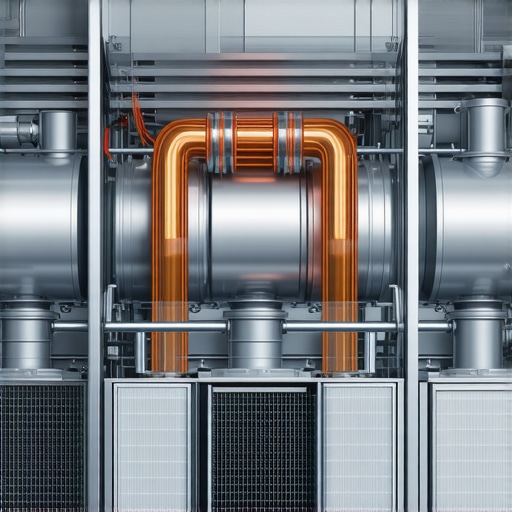
Ever felt that sinking feeling when your HVAC system suddenly underperforms just when you need it most? I remember the moment clearly—my air conditioner, humming along all summer, suddenly blowing warm air on the hottest day. I was about to call for same-day service, thinking it was a major breakdown, only to realize that a tiny, overlooked filter might be the culprit. That realization was a lightbulb moment for me, and I want to share it with you.
Why We Need to Rethink Those ‘Lifetime’ Filters
Many homeowners fall for the hype surrounding ‘lifetime’ filters. They’re advertised as a set-it-and-forget-it solution, promising years of maintenance-free air quality. But what if I told you that those claims can be misleading — and even detrimental? Early on, I made the mistake of installing a supposedly long-lasting filter and forgetting about it for months. That oversight led to reduced airflow, increased energy bills, and potential damage to my system. It became clear that the so-called ‘lifetime’ filters require more attention than brands would have you believe. According to experts, neglecting regular filter maintenance can reduce system efficiency by up to 15%, costing homeowners hundreds in unnecessary energy expenses each year. You can learn more about common home appliance misconceptions from resources like this detailed article.
Skeptical? Think a ‘lifetime’ filter is enough?
If you’re skeptical about replacing filters often, you’re not alone. I used to think that buying a high-quality, long-lasting filter meant I could skip regular checks. Trust me, I learned the hard way—skipping routine maintenance might jeopardize your warranty and cause costly repairs. Understanding the nuances can save you time, money, and headaches down the line. So, if you’ve ever faced an unexpected HVAC hiccup or worried about voiding your warranty during a filter change, stay tuned — I’ll walk you through the real deal behind these ‘lifetime’ filters and what you should do to keep your system running smoothly.
Schedule Regular Filter Inspections
Set a monthly reminder to check your air filter’s condition. During my first year, I neglected this step, which led to my AC humming loudly and eventually failing during peak summer. To avoid this, I adopted a routine inspection schedule, which allowed me to catch dirt buildup early and replace filters before they clogged the system. Think of it like changing the oil in your car—regular maintenance keeps everything running smoothly and prevents expensive repairs.
Choose the Right Filter Type and Size
Not all filters are created equal. I once installed an overly thick filter, thinking it would improve air quality, but it restricted airflow, causing the system to strain and triggering an emergency service visit. Always consult your HVAC manual or professional recommendations to select a filter that fits perfectly and meets your home’s air quality needs. Proper sizing is crucial, similar to fitting the right puzzle piece—size and compatibility matter.
Change Filters at Appropriate Intervals
While ‘lifetime’ filters promise long-lasting performance, in practice, I found changing filters every 1-3 months vastly improved efficiency. For example, after replacing my filter monthly, my energy bills dropped noticeably, and my system performed quieter. Use the manufacturer’s guidelines as a baseline, but pay attention to your environment—pets, dust levels, and usage frequency. Think of it as shampooing your hair; consistent cleaning keeps everything healthy.
Ensure Proper Installation
Incorrect installation is a common culprit behind filter failure. I once installed a filter backwards, which blocked airflow and caused the HVAC to overheat. To avoid this, always verify the airflow direction indicated on the filter packaging and install accordingly. If you’re unsure, consult resources like seal checks to ensure airtight fit. Proper installation is like fitting a lid on a jar—if it doesn’t seal correctly, everything inside suffers.
Leverage Diagnostic Tools for Efficiency
Invest in a simple manometer or airflow meter to assess system performance. I used a device to measure pressure drops across the filter, which helped me determine when it was time for a replacement, saving me from guesswork. This approach mirrors how auto mechanics test engine compression—precise data guides maintenance decisions and prevents breakdowns.
Know When to Call Professionals
Despite best efforts, some issues require expert intervention. For example, if your filter replacement doesn’t resolve airflow problems, it could signal deeper system issues. In such cases, consult credible repair services—like those listed at warranty protection resources—to avoid voiding warranties or causing further damage. Recognizing limits ensures longevity and peace of mind, much like knowing when to see a doctor for persistent symptoms.
Integrate Filter Maintenance with Overall HVAC Care
Remember, filters are just one part of HVAC health. Regularly cleaning vents, inspecting ductwork, and scheduling professional tune-ups complement filter care, extending your system’s lifespan. During my overhaul, I realized that neglecting these aspects cancels out all the filter-changing efforts, leading to inefficiency and costly replacements. Think of it as maintaining a garden—trimming, watering, and fertilizing work together for lush results.
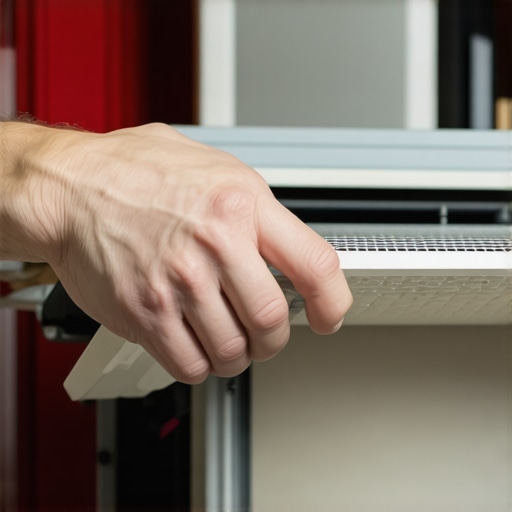 Many homeowners assume that appliance warranties and repair services are straightforward, but the reality is ripe with nuances that can trip you up. One common misconception is believing that all repairs are covered under warranty simply because you’ve purchased the appliance. In truth, warranties often have strict clauses—like proper installation and regular maintenance—that, if overlooked, can void your coverage. For example, installing an appliance without following the manufacturer’s guidelines, such as incorrect wiring or improper venting, can lead to warranty denial, as highlighted in expert analyses on repair claims.
Another overlooked nuance is the importance of understanding the fine print around service calls. Many think that requesting same-day service means immediate resolution, but in reality, it may only guarantee that a technician will visit promptly—actual repair might take additional visits or ordering special parts, especially if the technician detects other underlying issues. This is a trap many fall into, leading to frustration and unexpected costs.
When it comes to installation, rushing through or neglecting proper setup can cause long-term damage. For instance, improper leveling of a dishwasher can result in leaks and eventual warranty issues. The Errors in installation often void warranties faster than a malfunction itself. Remember, proper installation isn’t just about plugging in a device; it involves precise procedures, as outlined in comprehensive guides, ensuring your warranty remains intact.
Speaking of advanced mistakes, many assume that appliance repairs are always DIY-friendly. While minor fixes like changing filters or unclogging drains are manageable, attempting complex repairs without proper knowledge can cause more harm than good. For example, tampering with gas lines or electrical components without proper training poses safety risks and voids warranties. A study by the Appliance Repair Industry Council emphasizes the importance of choosing certified professionals for major repairs, particularly for gas or electrical appliances.
Have you ever fallen into this trap? Let me know in the comments. Remember, understanding these hidden nuances can save you from costly repairs and help protect your warranty—sometimes, a quick consultation with a professional is the smarter move. For instance, to safeguard your smart appliances’ warranties during installation, ensure you’re following all setup rules, like using protected outlets and proper placement, which can be checked through detailed guides available on reputable sites.
How do I Maintain My Appliances Over Time
Keeping your appliances running smoothly requires more than just initial setup—it’s an ongoing process. One essential tool I rely on is a digital multimeter. I use it to test electrical connections, especially when troubleshooting complex issues like unexplained power fluctuations or faulty sensors. A reliable multimeter, such as the Fluke 117, helps me diagnose problems before calling in professional help, saving time and money. Additionally, a high-quality infrared thermometer allows me to check temperature inconsistencies in devices like ovens or refrigerators, ensuring they operate within optimal ranges and catch potential failures early.
For more advanced troubleshooting, I use an airflow meter when dealing with HVAC systems. It helps me verify whether filters are blocked or if airflow is restricted due to duct issues. This proactive approach ensures my system remains efficient and extends its lifespan. I’ve also found that investing in a surge protector modeled explicitly for appliances, as recommended in this article, protects my appliances from voltage spikes, especially during storms. These tools empower me to spot potential issues early, simplifying maintenance and preventing costly repairs.
In the future, I predict that smart diagnostic tools integrated with home networks will become standard, providing real-time alerts and maintenance tips via apps. This evolution will make appliance care even more intuitive and reduce the need for emergency repairs. Staying ahead now means adopting current methods that lay the foundation for this connected future.
What Is the Best Method to Keep Your Appliances in Top Shape?
One method I swear by is performing regular, scheduled maintenance using these diagnostic tools. For example, checking the refrigerant levels and compressor performance in my fridge with a manifold gauge set helps me detect leaks early, potentially avoiding costly compressor replacements. Similarly, routinely inspecting seals and gaskets, like those on my freezer door, prevents energy loss and maintains warranty compliance—see how to here.
When performing these tasks, always keep detailed records of your inspections and repairs. This documentation can be invaluable for warranty claims and future troubleshooting. Remember, the key to long-term appliance health is consistency and using the right tools. Why not test your system today with an airflow meter or a multimeter? These small investments can save you big in repair costs and keep your appliances running smoothly for years to come.
Lessons That Changed My Approach to Appliance Care
One of the most surprising insights I gained was how overlooked details during installation, like proper leveling or seal checks, can void your warranty. I once ignored a small misalignment on my dishwasher, only to find out later that it caused a leak and warranty denial. That lightbulb moment emphasized the importance of paying attention to every detail from the start.
Another lesson was about the long-term impact of DIY repairs. While I was initially proud of fixing a clogged drain myself, I unknowingly damaged the unit’s internal components, leading to costly repairs. Now, I see that understanding my limits and consulting professionals when needed helps protect my appliances and warranty coverage.
And finally, I learned that routine inspections, even of seemingly minor parts like door seals or filters, can save the day. Regular checks prevent issues from escalating, which is especially critical when dealing with strict warranty clauses or avoiding unnecessary service calls.