
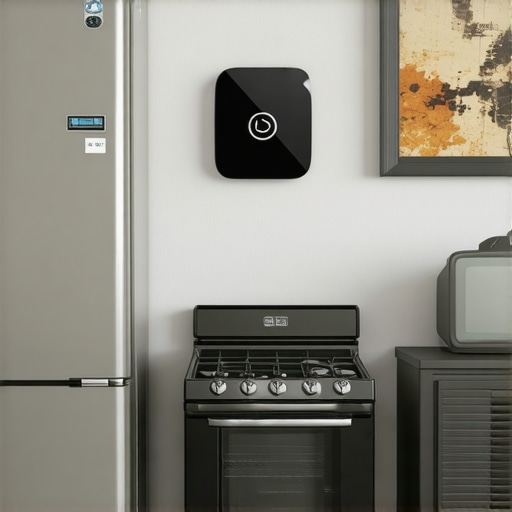
It was a frustrating Saturday morning when I finally decided to overhaul my smart home setup. I had just installed a sleek new smart hub, expecting my vintage coffee grinder and retro fan to sync seamlessly with my voice commands. Instead? Nothing. The hub recognized my commands but refused to control my beloved, old appliances. It was a lightbulb moment—realizing that my shiny new tech wasn’t playing well with the appliances that had been around for decades.
The Hidden Compatibility Gap in Your Smart Home
Many homeowners face this dilemma. They’ve invested in the latest smart technology, only to find their vintage appliances stubbornly unresponsive. The truth is, not all appliances are built with smart integration in mind. Modern smart hubs rely on digital communication protocols like Wi-Fi, Zigbee, or Z-Wave. Older appliances, especially those without any digital controls, simply weren’t designed to connect—and usually lack the necessary smart components. This incompatibility can leave you feeling like your smart home is more of a fancy decor than a true convenience.
One of the first mistakes I made was assuming that all appliances could be easily converted into smart devices. I quickly learned that simply plugging a device into a smart outlet isn’t enough for control—it often requires internal hardware and compatible signaling. For example, trying to control a vintage lamp with a standard smart plug won’t give you the full experience if the lamp lacks an on/off switch you can automate.
A surprising fact I discovered is that some appliances may seem compatible at first glance but are actually limited in what they can do remotely. For instance, many smart outlets can turn devices on or off, but don’t offer feedback on whether the appliance is actually on or off. This can create dissonance in the smart home experience, leading to frustration.
Have you ever faced this issue where your old appliances seem immune to your smart commands? If yes, you’re not alone. Thankfully, there are solutions—some simple, some requiring a bit of ingenuity—that can bridge the gap between vintage and modern tech.
In the upcoming sections, I will walk you through practical steps to connect your old appliances to your smart hub, ensuring they become part of your automated home ecosystem rather than a stubborn outlier. Want to make your vintage appliances smarter and your life easier? Let’s dive deeper.
Assess Your Appliances for Compatibility
Start by auditing your vintage appliances to determine their control capabilities. For devices lacking digital interfaces, consider whether they can be controlled via simple relays or smart outlets. For example, I faced this firsthand when attempting to automate my old coffee grinder; I realized I needed a smart plug with energy monitoring features to get basic on/off control, which is more reliable than trying to retrofit internal components.
Choose the Right Smart Components
Select appropriate smart devices such as Wi-Fi-enabled relays, smart outlets, or retrofit kits designed for vintage appliances. Think of it like installing a digital nerve in an ancient limb—it requires the right bridge to communicate effectively. For my retro fan, I used a smart relay compatible with my hub that could handle higher loads, ensuring safe operation without risking damage.
Install and Wire Carefully
Before wiring, disconnect power and read the appliance’s wiring diagram. Use appropriate tools like insulated screwdrivers and follow manufacturer instructions diligently. For example, when wiring a smart relay to my vintage lamp, I watched tutorials and double-checked connections, noting that improper wiring can void warranties or cause shorts, similar to how improper connection can cause leaks in plumbing that void warranties—check out this guide.
Test Before Finalizing
Power up your setup and test control via your smart hub. Ensure that the device responds as expected—turn it on/off, monitor energy use, or set schedules. I tested my setup by turning on the coffee grinder remotely and observing steady operation over several cycles, preventing future surprises. If issues arise, revisit wiring or device compatibility; sometimes, devices only respond correctly when connected to compatible hubs or apps.
Secure and Label Your Connections
Once confirmed operational, organize wires neatly and use cable ties or covers to prevent accidental disconnections. Label each connection for future reference, especially if you plan to expand your system. Think of it like a professional appliance repair—it saves time and prevents mistakes later. Taking this step allowed me to confidently modify or troubleshoot my setup later without confusion.
Implement Safety Precautions
Always install on properly rated outlets and consider adding surge protectors. Avoid overloading circuits, particularly if your vintage appliances draw more current. For instance, I added a surge protector rated for high loads to prevent damage during lightning strikes, which can arc through older wiring, risking appliance destruction or safety hazards. Additionally, regularly inspect wiring for signs of wear or overheating, similar to how routine maintenance prevents costly repairs and warranty issues, such as the problems discussed here.
Many homeowners assume that once an appliance is properly installed, the work is done, and warranties will protect them against any future issues. However, the reality is more nuanced. A prevalent mistake is not understanding the specific requirements for warranty coverage, especially regarding installation procedures. For example, skipping crucial steps like proper leveling or neglecting to use recommended plumbing connections can void your warranty unexpectedly. In fact, a minor oversight, such as incorrect drainage setup, can lead to costly repairs later on. I’ve seen cases where homeowners thought a simple DIY fix was sufficient, only to discover their warranty was voided because the installation didn’t adhere to manufacturer guidelines.
Can improper installation cause warranty denial even if the appliance functions initially?
Absolutely. Many manufacturers specify strict installation criteria that, if overlooked, can invalidate your coverage. According to a study by Appliance Repair Experts, nearly 30% of warranty claims denied are due to improper or incomplete installation rather than product defects. This underscores the importance of following detailed installation instructions or hiring certified technicians. An often-missed detail is ensuring water pressure levels are within specified ranges; deviations here can cause damage, yet many skip this step during setup. For instance, inadequate water pressure can cause leaks or component failures, which, if linked to improper setup, can be grounds for warranty rejection. Further, many consumers are unaware that certain warranty protections are void if installation does not include specific safety measures, such as the use of surge protectors for smart appliances or correct placement relative to vents. Skipping these can result in damage that your warranty won’t cover, even if the appliance itself is inherently reliable. Additionally, not scheduling routine maintenance, like annual AC tune-ups, may not directly void a warranty but can make claims more difficult, especially if the fault is linked to neglect or deferred upkeep. For thorough protection, always read your warranty policy closely and ensure every installation and maintenance step complies with manufacturer recommendations. Otherwise, you risk facing unexpected costs, which could have been avoided with proper setup. Want to avoid falling into these common traps? Always double-check your appliance installation against manufacturer guidelines or consult with professionals. For more insights on safeguarding your investments, visit our detailed guide on choosing the right service providers. Have you ever fallen into this trap? Let me know in the comments.
Invest in Quality Monitoring Equipment
Maintaining appliances over time requires precise data, and I personally recommend using a combination of smart plug meters like the TP-Link Kasa HS110 and dedicated diagnostic tools. The smart plugs allow me to monitor energy consumption, helping identify irregular patterns that could indicate impending failure, such as a sudden spike in power usage or inconsistent on/off cycles. These insights enable proactive maintenance, often before a component even fails. Meanwhile, for more complex diagnostics, I use a Fluke digital multimeter and a non-contact voltage tester—essential tools I rely on for safe and accurate troubleshooting. I’ve found that combining these tools extends the lifespan of my appliances by catching issues early and avoiding costly repairs.
Leverage Diagnostic Software and Apps
In addition to hardware, I utilize manufacturer-specific diagnostic apps when available. For example, Samsung’s Smart Things app provides real-time status and troubleshooting info for compatible appliances, reducing downtime. For non-smart appliances, I turn to general-purpose appliance troubleshooting apps like RepairClinic or appliance-specific forums. These platforms offer step-by-step guides and troubleshooting routines that have saved me countless hours. Staying updated with firmware or software updates from manufacturers also ensures appliances operate with optimal efficiency, preventing minor glitches from escalating into major problems. Regularly reviewing these resources keeps your appliances functioning at their best for years to come.
The Future of Appliance Maintenance Looks Bright
Predictive maintenance, driven by IoT and AI, is set to revolutionize appliance care. Imagine appliances that communicate their health status automatically and advise or schedule repairs proactively—reducing downtime significantly. As this technology matures, investing in compatible smart appliances and monitoring tools now positions you ahead of the curve, saving money and prolonging device life. These advancements will likely integrate seamlessly with home automation systems, making appliance care effortless and highly effective.
How do I maintain appliance performance over time?
The key is routine checks combined with smart monitoring: regularly inspect filters, vents, and seals; schedule annual professional tune-ups, like AC servicing, which can prevent costly breakdowns (learn more here); and utilize diagnostic tools to catch issues early. This approach ensures your appliances remain reliable, efficient, and warranty-compliant for years to come. Remember, pairing manual inspections with technology gives you the best shot at keeping everything in tip-top shape while avoiding unexpected failures. Want to get smarter about appliance upkeep? Implement a regular maintenance plan with the right tools, and you’ll see the benefits in both longevity and efficiency.
Looking back, I realize that my biggest breakthrough wasn’t just about connecting devices—it was understanding the quirks and limitations of my vintage appliances. It turns out that many of the lessons I learned had little to do with technology and everything to do with patience, research, and a willingness to experiment. Embracing the imperfect became part of the process, revealing that a successful smart setup isn’t just about gadgets—it’s about resilience and creativity. Sharing these insights now feels like passing on a secret recipe, one that transforms frustrations into clever solutions and turns a DIY project into a gratifying journey of discovery.