
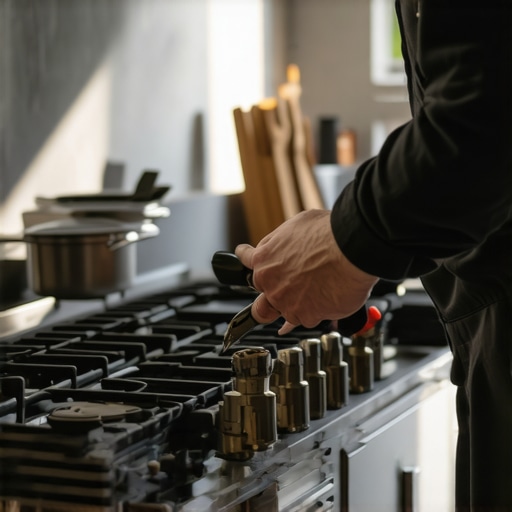
I remember the exact moment I realized I was in way over my head with my gas range. I tried to fix a minor ignition issue myself, confident I could handle it after watching a few DIY videos. But suddenly, things escalated—there was a loud bang, and a strong smell of gas filled the kitchen. That lightbulb moment made me see how risky some repairs really are, especially when it comes to gas appliances.
Why Some Parts Are Better Left to the Pros
Every appliance enthusiast dreams of saving money by tackling repairs on their own. But with gas ranges, there’s one part that stands out as a big nono for DIY — the gas valve assembly. Not only is it complex, but mishandling or improper installation can lead to leaks, fires, or even explosions. Trust me, that’s a nightmare I wouldn’t wish on anyone.
Today, I want to help you understand why that particular component is off-limits for DIY fixes and how professional service not only keeps your kitchen safe but also preserves your warranty and peace of mind. If you’ve faced frustrating issues like your gas range not igniting, you’re probably tempted to try fixing it yourself. But what could go wrong? Well, more than you might think.
Is Relying on a Professional Really Worth It?
Early in my repair attempt, I made the mistake of assuming that the gas valve was just a simple part to replace. Turns out, improper handling can cause hidden leaks that are not immediately detectable. Over time, these can cause dangerous buildup of gas, posing serious safety risks. According to the Consumer Product Safety Commission, gas leaks from appliances are a leading cause of household fires and explosions, emphasizing the importance of expert assistance.
So ask yourself — have you ever tried to tighten a gas connection or replace a valve without proper training? If so, you might have unknowingly risked your home’s safety. That’s why understanding the complexity of these parts and trusting certified technicians is crucial.
Now that you’re aware of the potential dangers, let’s move on to how you can identify the signs that your gas range needs professional attention and why this is the best move for your safety and appliance longevity.
.
Disconnect and Prepare Your Range
Before attempting any repair, ensure the gas supply is fully turned off at the valve to prevent leaks or accidents. Unplug the appliance from the power source to eliminate electrical hazards. Lay down a soft cloth or towel to catch any small parts or debris, making reassembly easier and safer. Remember, working on gas appliances without proper precautions is risky—if you’re uncomfortable, skip directly to the professionals.
Identify the Faulty Component
Start by inspecting the burners and ignition system for visible issues like corrosion, debris, or damage. Use a multimeter to check continuity in wiring and electrical components. If you notice a persistent clicking sound but no spark, the igniter might be faulty; if gas isn’t flowing, the problem might lie within the gas valve assembly. For complex parts like the gas valve, avoid DIY fixes, as improper handling can cause leaks or safety hazards. It’s best to consult an experienced technician for high-risk repairs.
Gather the Right Tools and Parts
Use the manufacturer’s recommended replacement parts to ensure compatibility and safety. Gather necessary tools: screwdrivers, pliers, multimeter, and possibly a specialized gas range wrench. Verify you have the correct part number; check your appliance’s model and serial number before ordering replacements. Do not attempt to modify parts or substitute materials—using non-OEM parts can void your warranty and compromise safety. For detailed part identification, see why your warranty might depend on genuine parts.
Follow a Step-by-Step Replacement Process
Carefully remove the control panels and access panels to reach the gas valve assembly, using the appropriate screwdriver. Use caution to disconnect gas lines and electrical connectors without forcing them; a gentle wiggle often suffices. When replacing the gas valve, ensure all connections are tight and properly aligned. Consider the analogy of installing a plumbing fixture: a small misalignment can cause leaks—a mistake best avoided by slowly and precisely tightening connections. Once installed, double-check the connections against the original setup.
Test Before Reassembly
Before sealing everything back up, turn on the gas supply and use a soapy water solution on connections to detect leaks—bubbles will indicate escaping gas. Never skip this step; it’s your first line of safety check. If you spot leaks, tighten connections further or reassemble that section. Testing thoroughly prevents future hazards and gives peace of mind. After confirming no leaks, restore power and turn on the gas to test the ignition. If the range ignites consistently without misfires, you’re on the right track.
Opt for Same-Day Service When Necessary
Complex repairs or if you’re unsure about any step, scheduling a same-day professional repair can save time and reduce risk. For instance, a technician with specialized tools can swiftly replace a faulty gas valve, ensuring the work complies with safety standards. Many service providers offer expedited appointments, which are crucial during urgent situations, such as gas leaks or the stove not igniting at all. Learn more about how to get prompt repairs at this guide on same-day service.
Secure Your Investment with Proper Installation and Warranties
After repairs, ensure your appliance’s installation is correct—improper setup can negate your warranty and cause operational issues. Use approved installation practices, such as maintaining the correct distance from the wall and using surge protectors where required to prevent electrical surges. Check your warranty conditions regularly, like understanding how extended warranties protect refurbished units. Proper care and expert installation extend your appliance’s lifespan and safeguard your investment.
Remember, gas appliances are complex and can be dangerous if mishandled. When in doubt, it’s safer and more cost-effective to summon a certified technician who can ensure the repair is done safely and correctly the first time.
Many homeowners assume that repairs, especially urgent ones like appliance fixes, are straightforward tasks, but this often leads to costly mistakes. A common myth is that same-day service always guarantees proper repair; in reality, rushing fixes can overlook subtle issues that threaten safety and warranty validity. For instance, installing a new dishwasher component without verifying proper grounding can cause electrical shorts, risking both appliance damage and safety.
Another misconception is that warranties cover all repair mishaps. However, many warranties require professional installation and the use of OEM parts to remain valid. Using non-authentic replacement parts, even if they seem identical, might void your warranty, leaving you unprotected when issues arise. This oversight can be costly if a component fails prematurely due to incompatible parts — an error detailed in expert analyses of warranty clauses.
Furthermore, the importance of professional installation goes beyond warranties. Incorrect setup, such as improper venting or unlevel appliances, can reduce efficiency and cause long-term damage. For example, improper leveling of a refrigerator might lead to coolant leaks, which are not always immediately apparent but can turn into significant repair headaches. It underscores the need for meticulous attention during installation, a step often underestimated.
One advanced mistake is ignoring subtle signs that indicate a need for professional intervention, even if the appliance seems to be functioning correctly. Small anomalies like unusual noises or minor leaks can develop into major failures if overlooked. Regular maintenance checks, guided by expert advice, can catch these issues early, preventing costly repairs and safeguarding warranties.
Addressing these nuanced pitfalls requires a shift in mindset; homeowners should see appliance repair as a critical safety and investment matter, not just a quick fix. Schedule inspections following installation and repairs, and always opt for certified technicians who follow manufacturer protocols. For example, ensuring your installer uses a surge protector aligns with best practices to avoid electrical surges that can damage sensitive components, as emphasized in industry safety guidelines.
In summary, the real expertise lies in understanding that appliance repair isn’t just about swapping parts or quick fixes. It’s about recognizing the complexities, following best practices, and making informed decisions. Have you ever fallen into this trap? Let me know in the comments.
Investing in the Right Tools for Longevity
When it comes to maintaining your appliances, having precision tools can make all the difference. I personally swear by a high-quality digital multimeter like the Fluke 115. Its durability and accuracy allow me to diagnose electrical issues quickly without guesswork, saving time and ensuring safety. For tasks involving gas connections, I prefer a professional-grade gas leak detector such as the PRESCO Digital Gas Detector, which provides real-time readings and can detect minute leaks that might go unnoticed with traditional soap tests. Investing in these reliable tools not only streamlines troubleshooting but also extends your appliance’s lifespan, saving you dollars over time.
Basic Maintenance Offers Big Results
Regular cleaning and inspections can prevent minor issues from escalating. For example, cleaning refrigerator coils with a stiff brush every six months keeps the compressor running efficiently, reducing energy bills and wear & tear. Check seals, door latches, and filters periodically; a worn seal could be causing your fridge to work harder, leading to faster breakdowns. Additionally, replacing dryer vent filters and ensuring the vent hose isn’t clogged can prevent overheating and fire hazards. These small steps, performed consistently, preserve performance and warranty validity, especially if you follow manufacturer guidelines and use recommended parts found on trusted resources like this link on OEM parts.
How do I maintain appliance performance over time?
Implementing scheduled professional inspections combined with proactive DIY upkeep—like cleaning filters and checking connections—can ensure your appliances run smoothly for years. Setting reminders every few months to perform these checks helps catch issues early. Moreover, subscribing to a maintenance plan that includes same-day service offers peace of mind, especially during peak usage seasons when appliances are under more stress. Advanced diagnostics tools, such as infrared thermometers, allow you to identify overheating components before failure occurs, providing an added layer of security and efficiency. This preventative approach is increasingly important as appliances incorporate smart features and more complex electronics, making professional calibration and system updates critical for optimal performance.
Utilize Technology to Stay Ahead
Smart diagnostics apps and online service scheduling platforms are transforming appliance maintenance. I recommend using manufacturer-specific apps that provide real-time alerts about irregularities or upcoming maintenance needs, like this guide on AC drain pan maintenance. These tools can notify you when filters need changing or if unusual vibrations suggest a component is failing. In the future, I predict that AI-powered diagnostic systems will become standard, offering predictive maintenance and even automatically scheduling professional service before a breakdown happens. Staying ahead with these technologies can save costly repairs and extend appliance warranties, which often require reputable service history for coverage.
What steps can I take now to ensure long-term appliance health?
Start by integrating a routine that combines using diagnostic tools, like a multimeter for electrical checks, with scheduled professional tune-ups. Experiment with advanced tips such as inspecting your circuit boards with an infrared thermometer to detect hotspots indicating latent electrical issues. Don’t forget to verify your warranty conditions—using non-OEM parts or neglecting proper installation can void coverage, as detailed in this article about warranty pitfalls. Incorporating these steps now will optimize appliance performance, reduce unexpected failures, and keep your warranty intact for years to come.
What Hidden Traps Would I Avoid Next Time?
One of the most valuable lessons I learned was the importance of never rushing into complex repairs like the gas valve assembly without proper training. Skipping professional help might seem cost-effective initially, but it can lead to safety hazards such as gas leaks or even explosions. Realizing this made me appreciate the critical role of certified technicians, especially for high-stakes components. Additionally, I discovered that understanding the subtle signs of malfunction—like unexplained clicking sounds or faint gas odors—can prevent more severe issues down the line. Lastly, trusting OEM parts and following manufacturer installation guidelines ensures my appliance remains under warranty and functions safely over the long term.
Tools and Resources That Save the Day
Having the right tools truly changed my approach to maintenance. I rely heavily on a high-quality digital multimeter, like the Fluke 115, for accurate electrical diagnostics—trust me, precision matters. For detecting gas leaks, a professional-grade gas leak detector, such as the PRESCO Digital Gas Detector, provides peace of mind that soapy water tests can’t always guarantee. When it’s time to order parts, I recommend sourcing directly from OEM suppliers to ensure compatibility and preserve warranty validity. For comprehensive repair insights and step-by-step guides, credible online resources, including industry-specific blogs and manufacturer manuals, are indispensable, especially when navigating tricky repairs like the gas valve replacement.
Take Action for a Safer, Longer-Lasting Kitchen
Your home’s safety and appliance longevity depend on making informed decisions and trusting professional advice when needed. Don’t shy away from scheduling same-day repairs if you’re unsure about handling gas components—you’ll save yourself stress and potential hazards. Invest in regular maintenance, inspections, and utilizing diagnostic tools to catch issues early. Remember, your appliances are investments—proper care and timely professional intervention will ensure they serve you well for years to come. Embrace the knowledge, and turn your kitchen into a safe, efficient place that you can rely on with confidence.