
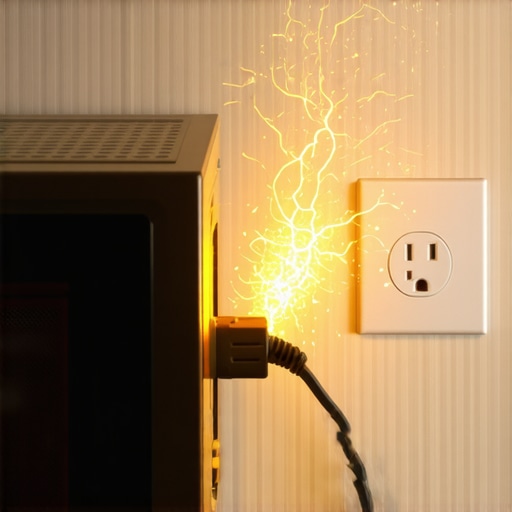
There was a moment in my kitchen that still makes me cringe. I hit the start button on my brand-new microwave, and suddenly, the entire house flickered—then plunged into darkness. My heart sank. Why would a shiny new appliance cause my breaker to trip instantly? That experience was a lightbulb moment for me, realizing I wasn’t alone in this frustrating situation.
How a Simple Kitchen Gadget Turned into a Power Struggle
If you’ve recently bought a microwave only to find it trips your circuit breaker, you’re not imagining things. It can feel like a strange coincidence or a manufacturing defect, but often there’s a logical explanation rooted in installation, wiring, or even how the appliance was shipped. Today, I promise to help you uncover the sneaky reasons behind this issue and how to fix it—saving you from countless trips to the breaker box and potential safety hazards.
Is Your Microwave Really the Problem, or Are You Missing Something?
Early on, I made the mistake of assuming my microwave was faulty—until I realized I had overlooked the importance of proper electrical setup. A common mistake is plugging a high-wattage microwave into an overloaded circuit or an outlet that doesn’t meet the appliance’s power requirements. It’s a mistake many homeowners make, and it can lead to immediate breaker trips or even long-term electrical issues. For example, some circuits are designed for lighting or small appliances, and adding a heavy-duty microwave can push the wiring past its safe limits.
Research shows that improper circuit loading is a leading cause of household breaker trips and appliance damage. In fact, the National Fire Protection Association reports that nearly 50% of home electrical fires are linked to overloaded circuits and faulty wiring.
What I want you to take away is that your microwave’s sudden power trips are often fixable. But first, you need to understand the root cause—whether it’s the outlet, circuit, or installation. Next, we’ll explore the specific mistakes that can cause this problem and how to avoid or fix them. If you’ve faced this dilemma, keep reading. You’ve got solutions coming.
,
Check the Circuit Load First
My hands-on experience begins with inspecting my home’s electrical setup. I unplugged other high-wattage devices from the same circuit to reduce load. To do this effectively, locate your breaker panel, identify the circuit powering the microwave, and turn off all unnecessary appliances on it. Then, plug your microwave into a dedicated outlet. This process is similar to isolating a single instrument in an orchestra to identify if it’s the source of discord. Once isolated, turn the circuit back on and test the microwave. If the breaker doesn’t trip, the issue was overload. Remember, a dedicated circuit can prevent future problems, and consulting a licensed electrician is wise if you’re unsure about wiring connections or circuit ratings. For complex wiring issues, I once watched a quick YouTube tutorial before hiring an electrician who confirmed my circuit was overloaded due to multiple high-energy appliances. Regularly reviewing your home’s electrical plan ensures safety and appliance longevity.
Everyone loves the idea of same-day appliance repairs, but there’s a common misconception that often leads to disappointment. Many believe that booking a same-day service guarantees instant fixes or that warranties cover every repair without question. In reality, though, understanding the hidden nuances can save you time and money. Let’s dig deeper into what most folks overlook.
Why Immediate Service Isn’t Always Perfect
While scheduling same-day repairs sounds ideal, it doesn’t mean your appliance gets fixed instantly or at the exact time you want. Service providers often prioritize jobs based on severity, parts availability, and technician schedules, which complicates the myth of guaranteed quick fixes. Additionally, some issues, like complex electrical faults, need detailed diagnosis, and rushing can lead to incomplete repairs or overlooked problems, ultimately affecting your appliance’s longevity.
Contrary to popular belief, a wagging expectation that warranties cover all repairs during same-day service can backfire. Many warranties include specific conditions about proper installation, maintenance, and timely reporting of issues. Missing these legalities may void your coverage altogether. It’s crucial to read the fine print and understand precisely what’s covered before scheduling repairs.
Beware the Common Myth of Universal Warranty Coverage
Most people assume that a warranty is an all-encompassing shield against repair costs, but this isn’t true. Warranties typically exclude damages caused by user neglect, improper installation, or unauthorized repairs. For example, attempting a DIY fix might void your warranty entirely. Make sure your installation adheres strictly to the manufacturer’s guidelines—failing to do so could leave you unprotected when it matters most.
Some misconceptions also stem from the belief that warranties automatically roll over when repairs are done. Instead, manufacturers often require seal checks or routine maintenance to keep warranty validity intact. Overlooking these steps can invalidate your coverage, leaving you vulnerable during appliance breakdowns.
The Advanced Question: Are Extended Warranties Worth It?
For consumers with high-end appliances or those prone to issues, extended warranties might seem tempting. However, they come with fine print: some cover only specific components, while others require additional fees or exclusions on certain repairs. It’s worth scrutinizing these contracts, especially whether they exclude parts like filters or cosmetic damages. While they can offer peace of mind, study reports, like those from Consumer Reports, suggest that many extended warranties are rarely utilized or provide limited value relative to their cost.
If your appliance experiences an issue, consider whether the warranty terms align with your expectations. Sometimes, investing in proper installation and regular maintenance can prevent problems altogether and avoid the inflated costs of extended warranties.
Have you ever fallen into this trap? Let me know in the comments. Recognizing these nuanced realities helps you become a savvy consumer and ensures your appliances serve you well for years to come.
Essential Tools for Reliable Appliance Maintenance
As someone who has navigated the intricacies of appliance care, I can attest that having the right tools makes all the difference. I personally rely on a digital multimeter for diagnosing electrical faults—it’s precise, easy to use, and saves me time by pinpointing issues without guesswork. A high-quality level is indispensable for ensuring appliances like dishwashers and washing machines are perfectly aligned during installation, preventing long-term leaks or operational errors. For tasks requiring disassembly, a set of insulated screwdrivers and specific wrenches tailored to appliance models are my go-to choices, helping me avoid damaging delicate components.
Why Software and Diagnostic Applications Matter
Beyond physical tools, I recommend investing in manufacturer-specific diagnostic apps if available. For instance, some modern refrigerators and washers connect to Wi-Fi and offer remote troubleshooting features. Using these apps, I can run self-diagnosis tests, which often identify issues that aren’t visible to the naked eye, such as sensor malfunctions or calibration drifts. These insights allow for targeted repairs or maintenance, reducing downtime and extending the life of your appliances.
How do I maintain appliances over time to maximize their lifespan?
Regular maintenance is your best defense against unexpected breakdowns. I schedule bi-annual inspections, checking seals, filters, and electrical connections. For example, routinely cleaning dishwasher seals with a gasket cleaning brush helps prevent leaks and maintain efficiency. Following manufacturer guidelines for routine parts replacement, like filters and belts, also prevents small issues from escalating. Additionally, staying current with software updates—if your appliances support them—ensures optimal performance and security. For overall appliance health, I always keep a log of maintenance activities, which helps track wear and plan proactively for parts replacement or professional service.
Where is appliance maintenance headed in the future?
With the rise of smart technology, I predict a shift toward more predictive maintenance powered by IoT sensors and AI diagnostics. Future appliances will alert homeowners to minor issues before they become costly repairs, and remote diagnostics will allow technicians to prepare their toolkit before arriving, reducing service times. Manufacturers are also integrating warranty management more seamlessly, enabling easier claim processes when issues arise, especially during ongoing coverage periods. This evolution promises greater reliability, convenience, and longer appliance lifespans, making maintenance less of a chore and more of a proactive process.
Don’t Forget to Use Advanced Diagnostic Tips
One practical step is to familiarize yourself with using multimeters to check continuity and voltage safely—an essential skill that can save money and extend your appliance’s life. For example, testing the power supply to your dishwasher or microwave can uncover wiring issues that contribute to frequent failures. To help you get started, I recommend reviewing detailed guides such as the comprehensive troubleshooting resources available on sites like this one. Trying out this tip will empower you to identify problems early and decide whether professional intervention is needed. Remember, a small investment in learning these skills pays off in long-term appliance health and safety.
What I Wish I Knew About Electrical Safety from the Start
- Don’t Assume a New Appliance Is Trouble-Free: My story taught me that even shiny, new appliances can cause unexpected power issues if not installed properly, emphasizing the importance of proper circuit checks.
- Always Test Circuits Before Heavy Use: I learned to isolate circuits and test appliances individually, preventing overloads that trip breakers and cause frustration.
- Consult Professionals When Uncertain: Recognizing my limits, I turned to licensed electricians for complex wiring advice, saving time and ensuring safety.
- Prioritize Dedicated Circuits for High-Wattage Devices: Investing in dedicated outlets for microwaves and other heavy appliances can prevent trips and protect your home’s wiring integrity.
- Stay Informed About Your Home’s Electrical Load: Regularly reviewing your electrical system’s capacity helps avoid surprises and extends appliance lifespan.
Tools and Resources That Made a Difference
- Digital Multimeter: Trusted for diagnosing electrical faults swiftly and accurately, avoiding guesswork and unnecessary repairs.
- Repair Guides and Tutorials: Reliable online resources that break down complex wiring issues into simple steps, empowering DIY enthusiasts.
- Manufacturer Support and Apps: For modern appliances with diagnostic features, enabling remote checks and early problem detection.
- Professional Electrical Services: When in doubt, trusted electricians ensure your wiring and outlets are safe and compliant.
Your Next Move Toward Safer, Smarter Appliance Use
Understanding the intricacies of electrical safety not only protects your appliances but also your loved ones. The lessons I’ve shared highlight that proactive checks, proper installation, and expert advice are the true keys to avoiding power-related frustrations with appliances. Remember, a little knowledge and the right tools make all the difference in ensuring your home runs smoothly and safely for years to come. So, are you ready to review your circuit setup or schedule a professional electrical inspection today? Your appliances—and your peace of mind—will thank you.
Have you ever experienced a breaker trip that turned out to be caused by improper wiring or overload? Share your story below, and let’s learn from each other’s experiences!
,