
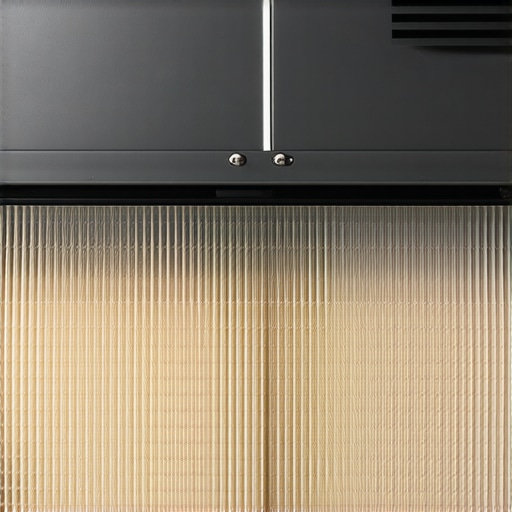
One scorching summer day, I was nestled comfortably in my living room, fighting off the heat, when suddenly the air conditioning sputtered and stopped. Turns out, my HVAC filter was so clogged with dust and debris that it was choking the system, causing it to shut down to prevent damage. That lightbulb moment made me realize just how critical a simple filter check can be—yet how often I ignored it. Have you ever experienced that sluggish airflow or unexpected dust settling, only to dismiss it as minor? You’re not alone. These small signs are often the system’s way of whispering, “Help me before I break down!” Today, I want to share how recognizing the signs of a dirty HVAC filter can save you time, money, and a whole lot of discomfort.
Why Neglecting Your HVAC Filter Can Lead to Expensive Repairs
Could Your System Be Working Overtime for Nothing?
It’s easy to overlook your HVAC filter—after all, it’s hidden away, and we often forget to replace it regularly. However, a clogged filter forces your system to work harder than necessary, increasing energy bills and wear and tear. According to the Department of Energy, replacing a dirty filter can lower your cooling costs by up to 15%—a pretty compelling reason to keep on top of it. Early on, I made the mistake of thinking, “It looks dirty, but probably doesn’t hurt to wait a few more days.” That delay cost me a hefty repair bill later. I learned the hard way that ignoring warning signs can lead to a complete system breakdown. Have you noticed increased dust, allergy symptoms, or uneven cooling? These are signs your filter might be overdue for a change, and catching them early can prevent unnecessary expenses. Join me as I walk you through recognizing the critical signs that mean it’s time to swap that filter out—before disaster strikes.
Inspect Your Filter Regularly and Keep Track of Replacement Dates
Start by establishing a routine to check your HVAC filter at least once a month. Set reminders on your phone or mark your calendar to ensure consistency. During inspections, look for signs of dirt and dust buildup. I recall a time when I neglected to note the last change, leading to a sudden drop in airflow and increased energy bills. By tracking replacement dates, you prevent forgetting and ensure optimal system performance, much like how a seasoned chef keeps a detailed schedule to avoid missing crucial steps in a recipe.
Learn to Identify Signs of a Clogged or Dirty Filter
Watch for Reduced Airflow and Elevated Energy Bills
If your vents emit weaker airflow than usual or your utility bills spike unexpectedly, these are red flags. I once noticed my living room wasn’t cooling properly, and upon checking, I discovered the filter was coated with grime. Replacing it promptly restored airflow and lowered my energy costs, much like replacing a clogged air filter in your car improves mileage and performance.
Notice Excess Dust and Allergens
Accumulation of dust on surfaces and increased allergy symptoms are often overlooked indicators. I experienced sneezing fits that I initially blamed on seasonal allergies until I realized dust was settling from a neglected filter. Regular filter checks reduce indoor allergens, akin to how a clean filter keeps your system breathing freely, just like fresh air in a mountain cabin.
Perform a Practical Filter Change Step-by-Step
Turn Off Your HVAC System for Safety
Always switch off your system before replacing filters. I learned this the hard way when a spark from a misstep caused a small scare. Turning off the system prevents accidents and electrical hazards, much like unplugging a power tool before cleaning its parts.
Remove and Inspect the Old Filter
Carefully pull out the current filter, noting its orientation. Check for excessive dirt and damage. I once accidentally installed a dusty filter backwards, reducing its effectiveness—so double-check the placement chart on your unit. This attention ensures your new filter fits correctly and functions as intended.
Insert a New Filter and Ensure Proper Fit
Insert your new filter, aligning it with airflow direction markers. Make sure it sits snugly without gaps, which can allow unfiltered air to bypass. I once overlooked a loose fit, leading to subpar air quality. Proper sealing is critical, similar to how a tight-fitting lid keeps the contents fresh in a sealed jar.
Utilize Expert Resources When in Doubt
If you’re unsure about the correct filter size or type, consult your system’s manual or contact a professional. For example, SEO specialists recommend referencing manufacturer guidelines for optimal performance, much like how appliance repair experts emphasize following installation standards. For more complex issues that could threaten your warranty, consider reading about common mistakes that void warranties, such as plumbing mistakes that damage warranties.
Many homeowners believe that signing up for an appliance warranty guarantees hassle-free repairs, but the truth is more nuanced. Contrary to common belief, not all repair services are created equal, and understanding the subtle details can save you from costly mistakes. For example, some assume that requesting same-day service always ensures priority, but many warranties have specific clauses that void coverage if certain steps aren’t followed, such as selecting authorized repair technicians or adhering to installation guidelines. A prevalent myth is that repairs done by unlicensed technicians won’t affect warranty validity; however, many manufacturers specify that only certified professionals can perform eligible repairs, otherwise, the warranty can be nullified. This is where the ‘Oops’ factor comes into play—attempting DIY fixes or hiring unapproved providers may seem convenient or cheaper initially but often lead to warranty claims being denied, leaving you responsible for full repair costs. Did you know that improper installation is a common reason for warranty voidance? For instance, an incorrectly installed dishwasher might not only cause operational issues but also invalidate the warranty in case of a breakdown. Always verify whether your installer has followed manufacturer-specific installation instructions—this small step can prevent significant headaches later. Moreover, advanced consumers ask: “How do warranty conditions vary between brands and service providers?” Studies show that warranties often contain fine print requiring adherence to maintenance schedules and using authorized replacement parts to maintain coverage. Neglecting these nuances can turn what seems like comprehensive protection into an empty promise.
Are You Leaving Money on the Table by Overlooking Warranty Details?
For more critical insights, check out resources like this guide on DIY repairs and warranty implications or common plumbing mistakes that void your washing machine warranty. Being proactive in understanding these finer details not only ensures your repairs are covered but also extends the life of your appliances. Have you ever fallen into this trap? Let me know in the comments.
Building Your Toolkit for Reliable Maintenance
Investing in the right tools is crucial for maintaining your appliances efficiently. Personally, I rely on a high-quality digital multimeter because it allows me to quickly diagnose electrical issues in HVAC systems and refrigerators without guesswork. For example, when my freezer started acting up, a quick voltage check with my multimeter revealed a faulty relay, saving me a service call. Additionally, a set of insulated screwdrivers makes handling component replacements safer and more precise. These tools help me perform routine checks and minor repairs confidently, extending the lifespan of my appliances and avoiding costly emergency calls.
Why Regular Inspection Matters in the Long Run
Scheduling routine inspections—at least twice a year—keeps minor issues from escalating. I recommend setting reminders on your digital calendar; I use a simple app that alerts me to check filters, vents, and connections. During these inspections, look for signs like loose fittings or unusual noises. Regular maintenance isn’t just about fixing problems but preventing them. With consistent monitoring, I’ve minimized my appliance downtime and maintained peak efficiency, which is especially important with warranties that often require proof of scheduled maintenance to remain valid.
How do I keep appliances running smoothly over time?
The key is adopting a proactive approach with preventive maintenance routines. This includes cleaning filters, checking for leaks, and tightening fittings. For example, I regularly inspect my washing machine’s drain hoses to prevent clogs and water damage. Using manufacturer-recommended supplies, like specialized cleaning agents or replacement parts, ensures compatibility and preserves warranties. Be sure to consult your appliance manual or an expert—resources like these surge protector guidelines can help maintain your warranty coverage.
Tools That Make Maintenance Easier and More Effective
For long-term results, I highly recommend investing in a digital multimeter, a torque screwdriver, and a microfiber cloth for gentle cleaning. The multimeter, as I mentioned, accelerates diagnostics, saving both time and money. A torque screwdriver ensures fasteners are correctly tightened without risking damage—crucial during filter replacements or vent installations. Finally, a microfiber cloth helps keep sensitive components clean, preventing dust buildup that can impair performance. Over time, coupling these tools with routine inspections will make maintenance feel less daunting and more like a straightforward part of caring for your home.
Scaling Your Maintenance Routine As Your Home Grows
When you expand your property or add new appliances, your maintenance routine should evolve. Incorporate smart diagnostics that sync with your home network; for example, smart thermostats can alert you to HVAC inefficiencies before they become serious issues. Additionally, consider professional inspections for complex systems like HVAC or major plumbing to ensure warranties stay valid. As technologists predict, the integration of IoT devices will make routine checks more automated, giving homeowners peace of mind and extending appliance longevity.
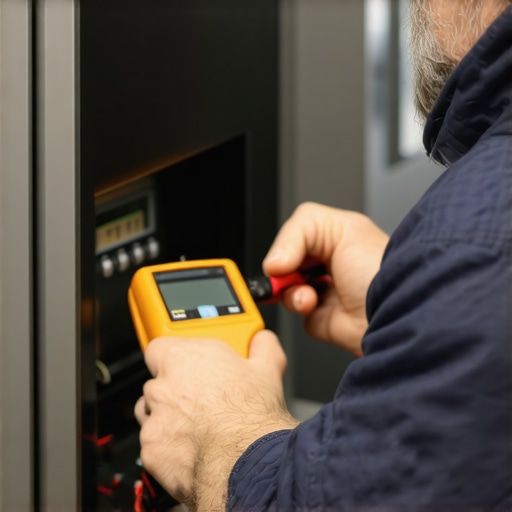
Efficient maintenance combines the right tools with a proactive mindset. By leveraging advanced diagnostic equipment and establishing a consistent schedule, you not only safeguard your appliances but also maximize their lifespan. As my experience shows, a little investment now can prevent significant expenses later. So, try using a torque screwdriver during your next filter replacement—you’ll appreciate the precision and ease it brings to the task.
What Hidden Lessons Did I Discover About Warranty and Repairs That Changed My Approach
- Trusting the process is tempting, but I learned the hard way that meticulous attention to installation details—like ensuring surge protectors are used—can prevent warranty issues down the line.
- Ignoring small signs, such as a dishwasher leaking slightly, can snowball into costly repairs if not addressed promptly, emphasizing the importance of early action.
- My biggest surprise was realizing that DIY fixes often void warranties when not done correctly, making professional guidance invaluable for long-term peace of mind.
- Understanding that warranty policies are nuanced made me more cautious—reading the fine print and consulting experts saves me from unexpected expenses.
Tools and Resources That Elevated My Maintenance Game
- Digital Multimeter: Essential for diagnosing electrical issues quickly, saving me time and preventing costly parts replacements.
- Torque Screwdriver: Ensures fasteners are properly tightened with the right torque, which is crucial during filter changes and prevent leaks or damage.
- Online Manuals from Manufacturers: Trusted sources for correct part sizes and installation steps, minimizing errors that might void warranties.
- Professional Guidance from Certified Technicians: Investing in expert advice has consistently saved me from pitfalls that could jeopardize warranty validity.
Your Next Step Towards Confident Appliance Care
Taking proactive, informed steps in appliance maintenance not only preserves warranties but also extends the lifespan of your investments. Don’t wait for problems to escalate—start integrating these lessons today and enjoy the peace of mind that comes with knowing you’re in control. Remember, a little knowledge and the right tools go a long way in safeguarding your home’s appliances and warranties.
Have you ever addressed an appliance issue that surprisingly saved your warranty? Share your story below—I’d love to hear how you’ve protected your home and investments!