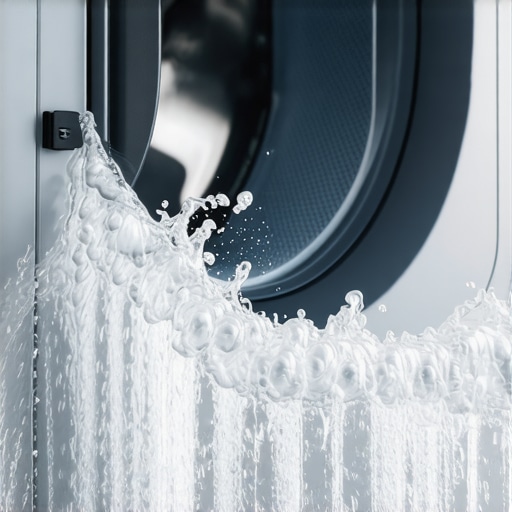
Have you ever been in a rush, only to hear that unmistakable groan of water flooding your laundry room? That sinking feeling when you realize your washing machine decided to take a bath all on its own. I’ve been there—messy, frustrating, and honestly a little alarming. It’s one of those household moments that turns a routine chore into a mini crisis.
My Wake-Up Call with an Overzealous Washer
It happened unexpectedly one Saturday morning. I started my laundry, expecting a quick cycle, only to return and find an inch of water pooling around the machine. Turns out, my washer had developed a mind of its own—it was overfilling, refusing to stop despite the load being finished. That day, I learned a few things that might help you avoid a similar mess. Today, I want to share exactly what causes this issue and how you can troubleshoot and fix it without calling a repair tech every time.
Is It Really Worth Fixing, or Should I Just Replace?
Early on, I made the mistake of assuming my overfilling problem was a major overhaul waiting to happen. Spoiler alert: often, it’s something simple that you can handle yourself. And if you want to zero in on expert advice, check out this comprehensive guide to appliance repair. Recognizing the common culprits can save you money, stress, and a lot of water damage. Ready to dive into the ins and outs of fixing your flooding washing machine? Let’s get started.
Inspect the Water Inlet Valve
Start by unplugging your washer to ensure safety. Locate the water inlet valve behind the machine and check for debris or blockages. If the valve’s filter screens are clogged, clean them gently with a brush or a small needle. I once faced a persistent overfill issue that was fixed after clearing these filters, saving me a costly service call.
Test the Pressure Switch
The pressure switch controls water level detection. To test it, disconnect the hose connected to the switch and blow air through it to see if the switch clicks. If it doesn’t respond or is damaged, replace it. During my repair, a faulty pressure switch was preventing the machine from recognizing when to stop filling, and a simple replacement solved the problem.
Examine the Control Board
Sometimes, electronic glitches cause overfilling. Unplug the washer and remove the control panel to access the control board. Look for burnt components or loose connections. If you spot damaged parts, consider replacing the board or having a professional assist. I once replaced a control board, which was a straightforward fix that restored normal operation.
Check for Faulty Timers or Valves
Older models may have mechanical timers that regulate fill cycles. Turn the timer dial manually to see if it moves smoothly. If it sticks or doesn’t turn, replace it. Similarly, faulty water valves can cause flooding. Ensure they shut off correctly when tested. In my experience, a worn-out timer was the culprit, and replacing it was quick and effective.
Secure All Hoses and Connections
Loose or cracked hoses can lead to leaks and malfunctioning. Tighten all hoses and replace any that show signs of wear. During a recent fix, securing a loose hose prevented further flooding and improved machine performance.
Consult an Expert When Needed
If these steps don’t resolve the issue, it might be time to seek professional help. For reliable, warrantied repairs, check out same-day service with warranty benefits. Expert technicians can diagnose complex problems swiftly, preventing water damage and saving you money in the long run.
When it comes to appliance repair, many homeowners operate under misconceptions that can lead to costly mistakes or unmet expectations. One prevalent myth is that all repairs are simple fixes anyone can handle, which isn’t always true. While some issues are straightforward, advanced faults often require specialized tools and expertise, making professional intervention essential. Relying solely on DIY methods for complex problems can sometimes worsen the situation or void warranty coverage.
Another widespread misconception revolves around same-day service. Many assume that scheduling a repair guarantees instant fix, but logistics, technician availability, and part procurement often influence the actual turnaround. For instance, urgent appointments might still involve waiting for parts or expert diagnostics, which underscores the importance of understanding service limits. This nuance is crucial for setting realistic expectations and avoiding frustration.
Misunderstanding warranties is also common. Many believe that warranties cover all repair costs, but they typically only address specific parts or labor within certain conditions. Additionally, using third-party repair services or non-approved parts can invalidate warranty coverage, leading to unexpected expenses. To navigate this effectively, consult your warranty terms carefully or seek services backed by warranties, such as those offered by trusted providers. For comprehensive guidance, check out warranty-backed appliance services you can rely on.
A subtle but impactful nuance is the difference between parts warranties and full coverage. Some consumers focus solely on the warranty length but overlook what components are protected and whether labor is included. This oversight can result in surprise costs if, for instance, a faulty component isn’t covered, and the repair is extensive. For an in-depth breakdown, see the difference between parts warranty and full coverage.
Finally, many overlook the importance of proper installation. Incorrect setup can lead to recurring issues, breakdowns, or safety hazards. Professional installation not only ensures compliance with safety standards but also optimizes appliance performance. Explore reliable installation practices at fast, trustworthy appliance installation near you.
Understanding these nuances helps prevent pitfalls and saves you time and money in the long run. Remember, informed decisions in appliance repair—especially regarding complex problems, service expectations, and warranties—are your best defense against expensive surprises. Have you ever fallen into this trap? Let me know in the comments.
Tools I Recommend for Long-Term Appliance Care
Maintaining household appliances isn’t just about quick fixes; it requires precision and the right equipment. One of my top recommendations is a digital multimeter. I personally use the Fluke 115 because of its accuracy and durability, which helps me diagnose electrical issues safely and efficiently. When testing circuits or diagnosing faults in your refrigerator or dishwasher, having a reliable multimeter can save you time and prevent unnecessary parts replacements.
Another essential tool is a specialized appliance vacuum cleaner attachment. Appliances like range hoods or refrigerator coils need regular cleaning, and using a narrow nozzle attachment allows you to reach tight spots without damaging delicate components. I find this method especially helpful for cleaning condenser coils, which, if neglected, can reduce efficiency and increase energy bills.
For more intricate repairs, I rely on a set of precision screwdrivers, specifically those with magnetic tips. This ensures I don’t lose tiny screws during assembly or disassembly, reducing frustration and ensuring safety. Brands like Wiha or iFixit provide high-quality sets that I trust for their ergonomic design and long-lasting durability.
How do I maintain appliances over time?
Consistent maintenance is key. Schedule quarterly inspections of filters and seals and use a multimeter to verify electrical components are functioning within specifications. Keep your appliances clean, especially air vents and drainage pathways, to prevent buildup that can cause malfunctions. Additionally, investing in a smartphone-enabled diagnostic app, like those offered by certain modern appliances, can alert you to issues before they turn into costly repairs. This proactive approach not only extends the lifespan of your appliances but also ensures they perform at optimal efficiency.
Looking ahead, I believe the trend will shift towards smart tools and IoT-enabled diagnostic devices that can predict failures before they happen. For example, integrating sensors that monitor vibration, temperature, or electrical load could revolutionize appliance maintenance, making it more predictive than reactive. To ensure your appliances are ready for this future, start familiarizing yourself with compatible smart diagnostic tools now.
Remember, when in doubt, consulting a professional for complex issues or warranty services can be invaluable. For trustworthy repairs backed by warranties, check out warranty-backed appliance services. But, for day-to-day upkeep, my tried-and-true tools and methods will serve you well. Try using a multimeter during your next inspection to identify hidden electrical issues—it’s a game-changer. And don’t forget to stay informed about the latest diagnostic technologies; they’re shaping the future of appliance maintenance and can save you money in the long run.
3 Surprising Truths Learned Beyond Basic Fixes
One of the biggest lessons I discovered in appliance repair is that most household issues hide simple solutions, but our assumptions often lead us astray. For instance, I once believed that overfilling a washing machine was a complex problem, only to find that a worn pressure switch was the culprit—a part I could replace myself after some research. This taught me the importance of diagnosing thoroughly before assuming the worst.
Another insight is that familiarity with your appliances’ common faults can save time and money. Knowing that faulty inlet valves or clogged filters typically cause flooding has made me look for these issues first, rather than jumping straight to costly repairs or replacements.
Perhaps most unexpectedly, I learned that patience and proper troubleshooting often prevent minor problems from spiraling into major disasters. When my washer overfilled, instead of rushing to call a technician, I reviewed tutorials and tested the pressure switch myself, which resolved the issue swiftly without extra expense.
Tools That Changed My Appliance Maintenance Game
Over the years, a few essential tools have become my go-to for reliable appliance care. The first is a digital multimeter, specifically the Fluke 115, trusted for its accuracy and durability—crucial for diagnosing electrical issues safely. An accurate meter helps me determine whether a component needs replacing, preventing unnecessary part swaps.
I also rely on a narrow nozzle attachment for my appliance vacuum cleaner; it’s perfect for cleaning condenser coils and removing debris from tight spots, boosting efficiency and extending appliance lifespan. Additionally, a set of high-quality magnetic-tip screwdrivers from brands like Wiha keeps tiny screws secure during disassembly, avoiding frustration and potential damage.
Finally, I recommend keeping a small repair kit with replacement hoses, clamps, and filters—being proactive minimizes unexpected breakdowns. Having these tools handy has empowered me to handle many issues myself, reducing reliance on costly service calls.
Take Charge of Your Appliance Future
Remember, staying informed and prepared is your best defense against appliance mishaps. Regular maintenance, understanding common fault signs, and having the right tools can turn frustrating surprises into manageable tasks. For instance, scheduling quarterly inspections of your appliances and using diagnostic guides can help catch issues early, saving money and stress.
Looking ahead, the integration of smart diagnostics and IoT devices promises even more proactive appliance care. Embracing these technological advances now can give you a head start on maintenance and troubleshooting, ensuring your household runs smoothly into the future.
If you’re unsure where to begin or face complex problems, don’t hesitate to consult trusted professionals. For expert, warranty-backed repairs that give peace of mind, explore reliable warranty-backed services. Yet, cultivating a DIY mindset with proper tools and knowledge remains invaluable for everyday upkeep. Have you discovered an unexpected fix that saved your appliances? Share your experience below—we can all learn from each other’s journeys.