
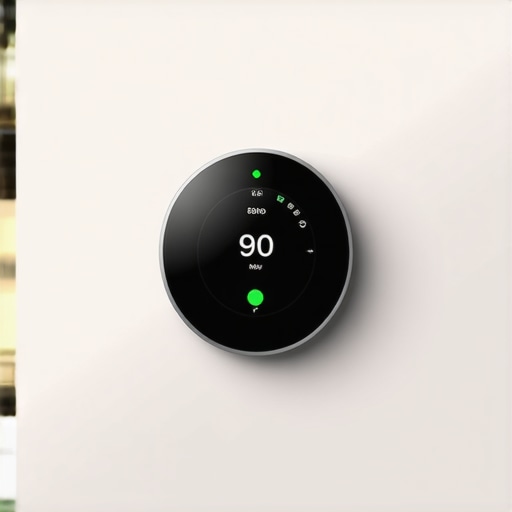
Ever been cozy at home, only to glance at your smart thermostat and see it switch itself into Eco Mode without warning? That nagging moment of confusion turns into frustration when you realize it’s happened more than once, especially during those cold winter nights or sweltering summer afternoons. I remember the first time my thermostat unexpectedly shifted to Eco Mode while I was binge-watching my favorite show—talk about a buzzkill. It felt like my smart device was conspiring against me, making me question my entire setup.
The Hidden Causes Behind Unwanted Eco Mode Switches
After experiencing this annoyance firsthand, I dove into troubleshooting and quickly realized that these glitches aren’t just random. Several factors can cause your thermostat to switch modes unexpectedly. Sometimes, it’s a simple sensor hiccup, or a firmware update gone awry. Other times, external factors like inconsistent Wi-Fi signals or power surges disrupt the device’s delicate communication. Did you know that according to a report by the Environmental Protection Agency, optimizing smart thermostats can save you up to 10% on heating and cooling costs? That’s a significant difference, making it all the more frustrating when these devices malfunction.
Skeptical About the Fixes?
Early on, I made the mistake of thinking that resetting my thermostat was enough. Turns out, I didn’t realize that improper installation or outdated firmware could be root causes. Cutting corners or ignoring updates can lead to unpredictable behavior. So before calling repair services or replacing your device, it’s worth trying some simple, proven solutions. Curious about reliable installation tips? Check out this guide for expert insights.
In the upcoming sections, I’ll share the practical steps that worked for me—and can work for you—to put an end to the mysterious mode switching, ensuring your smart thermostat stays in control when you need it most. Ready to regain your cozy home environment? Let’s dive into the troubleshooting process!
Check for Firmware Updates and Reset the Device
The first move is to ensure your thermostat runs the latest firmware. Think of firmware as the brain of your device—the outdated version can cause unexpected behavior. To update, access the settings menu often via your app or device panel, and look for “Firmware Update”. If you find an update, follow the prompts to install it. I once had a thermostat that kept switching modes, and after updating the firmware, the issue was resolved. If no update is available or the problem persists, perform a reset using the device’s reset button or through your app settings. This acts like a reboot for your device, clearing minor glitches that could cause mode switches.
Inspect Power Supply and Wiring Connections
A stable power supply is crucial for your thermostat’s reliable operation. Imagine your thermostat as a car engine; if the fuel line is clogged, it struggles to run smoothly. Check that your device is getting consistent power, especially if installed with hardwired connections. Turn off the power supply at your breaker, then carefully remove the thermostat cover. Look for loose or corroded wiring—tighten or replace as needed. In my case, a loose wire was the culprit, causing intermittent switching. It’s important to follow manufacturer wiring diagrams, which you can find here. If you’re unsure about handling wiring, consider professional help to prevent hazards.
Stabilize Wi-Fi and External Factors
Since many smart thermostats depend on Wi-Fi, unstable signals can lead to communication errors, prompting unexpected mode changes. Think of Wi-Fi as the nervous system—if it’s shaky, the whole device reacts unpredictably. Place your router closer to the thermostat or use a Wi-Fi extender. I once moved my router to a central location, and my thermostat stopped flipping modes mid-night. Additionally, avoid network congestion by limiting other bandwidth-heavy tasks during critical control times. External factors like power surges can also disrupt operation. Use surge protectors or install a whole-home surge protector to shield your devices. Regularly checking and improving your Wi-Fi stability will help your thermostat maintain its intended mode without surprises.
Adjust Settings and Create Custom Schedules
Sometimes, mode switches are triggered by preset schedules or accidental manual changes. Dive into your device settings and review your thermostat’s schedules—look for conflicting rules or high-temperature thresholds that may trigger Eco Mode. I once had a schedule that lowered the temperature at night, but an accidental tap enabled Eco Mode during the day; removing conflicting entries prevented future issues. Setting custom schedules matching your routine ensures the device won’t switch modes unexpectedly. Many apps allow you to set geofencing features so your thermostat adapts when you leave or arrive home, minimizing manual adjustments and reducing glitches. Fine-tuning these parameters tailors your device’s operation, avoiding unwanted switches.
Test and Confirm Stability
After completing your checks and adjustments, test your thermostat’s stability. Set it to the desired mode, then wait a few hours or overnight to observe behavior. During my last troubleshooting, I replaced a faulty sensor after noticing sporadic mode changes. Once replaced, the thermostat held its mode consistently, confirming the fix. Keep a log of any anomalies and revisit your settings if issues recur. For comprehensive guidance and quick solutions, consult the same-day repair resources with warranty support to address persistent problems efficiently.Many homeowners operate under misconceptions when it comes to appliance repair, installation, and warranty services. One common myth is that hiring the cheapest technician guarantees savings; in reality, cutting costs often leads to subpar work and costly future repairs. It’s a mistake to assume that all repair services provide the same level of expertise—credentials, experience, and proper licensing matter significantly.
Why do most people overlook the importance of verified credentials in appliance repairs?
Often, consumers prioritize convenience over qualifications, risking improper repairs that void warranties or cause further damage. According to a study by the National Institute of Standards and Technology, improperly installed appliances account for nearly 15% of household equipment failures, highlighting the importance of choosing certified professionals. Moreover, many believe that warranty covers all damages, but they often misinterpret the fine print. Manufacturers’ warranties typically exclude damages caused by improper installation or unqualified repairs, leading to unexpected out-of-pocket expenses. A common trap is relying on third-party parts without verifying compatibility; such parts may void warranty coverage and compromise appliance safety. Always consult your warranty policy and opt for authorized parts and technicians to ensure full coverage. When scheduling same-day services, homeowners sometimes expect instant fixes without understanding the nuances involved. The reality is that emergency repairs require precise diagnosis and quality parts, which may mean waiting briefly for availability or expert assessment. Rushing to repair can result in recurring issues, costing more in the long run.
Furthermore, many underestimate the importance of proper installation procedures. For example, incorrect leveling of dishwashers or improper venting of dryers can cause inefficiency or safety hazards. Follow reputable guidelines, such as those outlined in this expert guide, to prevent these issues. Remember, a professional’s attention to detail during installation impacts the appliance’s lifespan and performance. The key takeaway? Don’t fall for superficial fixes or assumptions. Invest in certified, experienced technicians who prioritize proper installation, repairs, and warranty compliance. Doing so saves you money, prevents hazards, and ensures your appliances serve you reliably for years. Have you ever fallen into this trap? Let me know in the comments and share your experience.
Investing in the Right Tools for Long-Term Success
Maintaining appliances effectively requires more than just basic screwdriver sets; it calls for specialized, reliable tools that can diagnose and resolve issues efficiently. Personally, I swear by my infrared thermometer from expert guides—it allows me to quickly identify overheating components or insulation problems, saving time and preventing costly repairs. Likewise, a digital multimeter is indispensable for testing electrical continuity and voltage, ensuring safe and accurate diagnostics. I prefer the Fluke models, renowned for their precision and durability, which I use regularly to verify wiring integrity and component function.
Another vital tool is a high-quality socket set with a variety of bits. Appliances often require precise disassembly; having a ratchet and bit set tailored for quick removal minimizes frustration. Additionally, a small digital camera or smartphone with macro capabilities proves invaluable for inspecting hard-to-see internal components or corrosion spots without dismantling everything unnecessarily. These investments in tools streamline your repair process and boost confidence when tackling maintenance tasks yourself.
Software and Technology for Better Maintenance
Beyond physical tools, modern appliance maintenance benefits greatly from diagnostic apps and firmware management software. For smart appliances, regularly updating firmware via manufacturer apps can prevent glitches like mode switching issues. For us tech enthusiasts, using the official app—or the manufacturer’s dedicated platform—ensures your device runs with the latest patches. Moreover, apps that log appliance behavior can help identify patterns leading to failures, enabling proactive maintenance rather than reactive repairs. Embracing these digital tools is the future of appliance care, providing a data-driven approach that saves time and money.
Keeping Up with Maintenance Over Time
Regularly scheduled inspections and cleaning extend appliance lifespan. Creating a maintenance diary—either digital or analog—keeps track of dates for filter replacements, sensor calibrations, or firmware updates. For example, routinely cleaning condenser coils with a soft brush or vacuum prevents overheating and inefficiency. This systematic approach reduces surprise breakdowns and improves long-term performance, aligning well with the trend toward preventive care in home appliances.
Looking ahead, trends suggest that AI-powered diagnostics and IoT connectivity will become standard, allowing appliances to self-monitor and alert you before problems escalate. Staying ahead means adopting smart maintenance routines now—regular firmware updates, sensor checks, and utilizing diagnostic tools can position you as a savvy homeowner. For comprehensive insights, consider consulting this expert guide. Don’t wait for a breakdown—try implementing a monthly firmware check on your smart appliances today to experience the benefits firsthand.
How Do I Maintain Appliance Efficiency Over Time?
Consistent maintenance is key. Regular cleaning, timely part replacements, and keeping your firmware updated ensure your appliances perform optimally. Additionally, investing in quality diagnostic tools—like a high-precision multimeter and infrared thermometer—empowers you to identify issues early. Over time, these practices reduce costly repairs and extend lifespan. Embracing the trend toward smart diagnostics and preventive care is not just smart; it’s essential for modern homeowners committed to saving money and hassle. For detailed recommendations on long-term upkeep, explore this comprehensive guide.
Throughout my journey repairing, installing, and navigating the complexities of appliance maintenance, I’ve encountered a recurring theme: the most valuable lessons often come from unexpected challenges. One of the biggest insights I’ve gained is that troubleshooting isn’t just about fixing what’s broken—it’s about understanding the underlying systems and anticipating future issues. For example, I once overlooked a simple firmware update for a smart thermostat, only to realize later how such small details can prevent major malfunctions. Learning to listen to the subtle signals your appliances give can save time, money, and frustration in the long run.
My Secrets for Lasting Appliance Resilience
- Consistent Checkups: Regular inspections, such as cleaning condenser coils or verifying wiring integrity, keep appliances performing at their best. I trust tools like a digital multimeter for electrical diagnostics and keep a maintenance log—these habits make a real difference.
- Early Warning Signs Matter: Noticing minor issues like strange noises or slight inefficiencies early can prevent costly breakdowns. Embracing a proactive approach, rather than waiting for complete failure, extends appliance life and ensures safety.
- Stay Informed and Updated: Firmware updates and manufacturer advisories are more than just technicalities—they’re essential for security and efficiency. Regularly visiting official resources and subscribing to updates is something I highly recommend for any homeowner committed to smart maintenance.
Tools and Knowledge That Elevated My Service Game
- This comprehensive repair guide transformed my approach to troubleshooting. The step-by-step instructions and expert tips save me time and help me deliver quality service.
- Investing in a high-quality infrared thermometer from trusted sources allows me to quickly identify overheating issues, ensuring safety and efficiency.
- An advanced digital multimeter has become indispensable for testing wiring and components, making diagnostics more accurate and less stressful.
- Reliable, professional-grade tools like a socket set with various bits streamline disassembly and reassembly, reducing risk of damage during repairs.
Seize the Moment and Take Charge of Your Appliances
Empowered with these insights, you’re better equipped to handle appliance challenges confidently. Remember, the key to a smooth, functional home is regular maintenance complemented by ongoing learning. Don’t wait until issues escalate—start applying these strategies today. Your appliances—and your peace of mind—will thank you for it.
What’s the first step you plan to take toward more proactive appliance care? Share your thoughts below, and let’s keep the conversation going!