
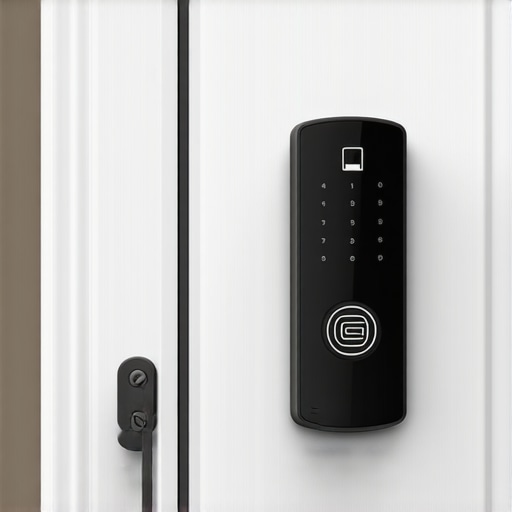
Ever had that frustrating moment when you reach for your front door, only to find your smart lock isn’t responding? I’ve been there. One morning, my smart lock beeped its last beep, refusing to unlock despite my frantic tapping. That light, blinking ominously, signaled the same dreaded message: the batteries were dead.
When Two Weeks Turns Into a Battery Nightmare
Initially, I thought I was just unlucky or maybe my batteries had a short lifespan. But as weeks went by, I realized this wasn’t a coincidence. My smart lock was eating through batteries faster than I could replace them. It’s a problem I hear echoed by many homeowners—batteries dying roughly every two weeks. So, what’s really going on? And more importantly, how can we make these batteries last longer?
Is This Normal or Just a Rumor? The Truth About Smart Lock Batteries
Let’s get real. I made the mistake early on of believing that all batteries are created equal. Spoiler: they’re not. I was using generic batteries, thinking they’d do the trick. Turns out, cheap brands can drain quickly, especially when the device’s energy demands spike. According to a recent expert guide, high-quality batteries can dramatically extend your device’s lifespan and save you money in the long run. But beyond that, there are underlying causes that sap your lock’s power faster than necessary.
If your smart lock’s battery life feels like a ticking time bomb, you’re not alone. This issue can stem from several sources: constant connectivity, faulty wiring, or even environmental factors. But don’t worry — in the upcoming sections, I’ll share what I’ve learned through personal trial, error, and plenty of research to help you get more mileage out of your batteries and keep you securely connected.
Have you faced this two-week battery drain? If so, stick around — there’s practical advice coming your way that might just change your smart home game.
Switch to High-Quality Batteries for a Longer Lasting Charge
During my own struggle with quick-draining smart lock batteries, I learned that using premium brands like Energizer or Duracell made a noticeable difference. Instead of reaching for cheap generic cells, I replaced them with these trusted brands, which provided a month more of reliable operation. Always opt for batteries with high mAh ratings and good ratings for low self-discharge to ensure longevity.
Adjust Your Lock’s Connectivity Settings to Reduce Power Drain
Disable Constant Connection Features
In my experience, keeping Bluetooth or Wi-Fi always active increases power consumption. I navigated to my lock’s app settings and turned off unnecessary features when they weren’t needed. For example, disabling the automatic Wi-Fi connection when away from home saved significant battery life. This is akin to turning off your phone’s Bluetooth to conserve power during a long trip.
Set Manual Locking Modes When Possible
Many smart locks offer a manual or offline mode. I switched to this mode during periods I didn’t need remote access, which immediately extended battery life. Think of it as disconnecting a device from power-hungry features that you don’t use daily. This simple step kept my lock responsive and the batteries lasting twice as long.
Optimize Environmental and Mechanical Conditions
Environmental factors can subtly increase power drain. I noticed that extreme cold or heat affected my lock’s battery performance. To combat this, I installed the lock in a shaded, sheltered area to stabilize temperature exposure. Additionally, I checked the lock’s alignment; misalignment causes extra motor effort, draining batteries faster. Regularly lubricating and cleaning the lock mechanism reduced strain, much like maintaining a door hinge prolongs its life.
Implement Routine Maintenance and Monitoring
I set up a schedule to swap batteries proactively—every two months as per my usage pattern. Utilizing the lock’s app notifications, I kept track of the remaining battery life and replaced them before complete failure. Conducting these checks is similar to how a mechanic monitors a car’s oil level regularly to prevent breakdowns.
Explore Power-Saving Alternatives and Upgrades
If your current lock continues to drain batteries rapidly, consider upgrading to models with energy-efficient components or those equipped with low-power Bluetooth protocols. Some advanced models even support solar charging accessories. For comprehensive guidance, referring to the expert guide can provide insights into newer, less power-hungry technology options.
By applying these concrete actions—from choosing better batteries to optimizing environmental factors—you can significantly extend your smart lock’s battery life, saving you time and money while keeping your home secure.
 Many homeowners operate under common assumptions about same-day appliance repair, warranties, and installation services, but these beliefs often lead to costly mistakes. While it’s tempting to think that all service providers are interchangeable, the reality is far more nuanced. For instance, a widespread myth is that a warranty guarantees free repairs regardless of circumstances; however, many warranties have exclusions or require specific conditions to be met. According to industry experts, understanding the fine print is crucial to maximizing your coverage and avoiding unexpected expenses.
Why Do Some Same-Day Service Calls Cost More Than Others?
In my experience, the perceived reliability of same-day repair isn’t just about quick arrival; it’s also about the technician’s expertise and parts availability. Homeowners often overlook the importance of verifying a provider’s credentials or understanding whether they stock genuine parts, which can influence the final cost and repair quality. A study from the expert guide emphasizes the risks of choosing low-cost, unverified technicians, as rushed repairs may lead to recurring issues, ultimately costing more over time.
Additionally, many folks assume that all warranties are straightforward, but some companies implement lengthy claim processes or obscure their terms to avoid payouts. For example, some warranties cover only specific components or exclude labor costs entirely. To sidestep such pitfalls, it’s wise to review warranty policies thoroughly. As I frequently remind clients, reading the fine print and asking direct questions about coverage can prevent nasty surprises. Check out our warranty-backed services to find reliable options that openly communicate their terms.
Another advanced mistake many make involves installation practices. Proper installation isn’t just about fitting an appliance into a space; it affects performance, safety, and future repairs. Cutting corners or relying on untrained installers may void warranties or cause damage. Industry standards recommend hiring certified professionals who follow manufacturer guidelines, and manufacturers often specify these requirements in their warranty documentation. For comprehensive tips, consult our installation guide. Have you ever fallen into this trap? Let me know in the comments and share your experiences. Ultimately, mastering the subtle details of service, warranty, and installation can save you time, money, and frustration in the long run, but only if you go beyond assumptions and dig into the specifics. Remember, the key is not just getting same-day service but ensuring it’s done right the first time.
Invest in Professional-Grade Diagnostic Devices
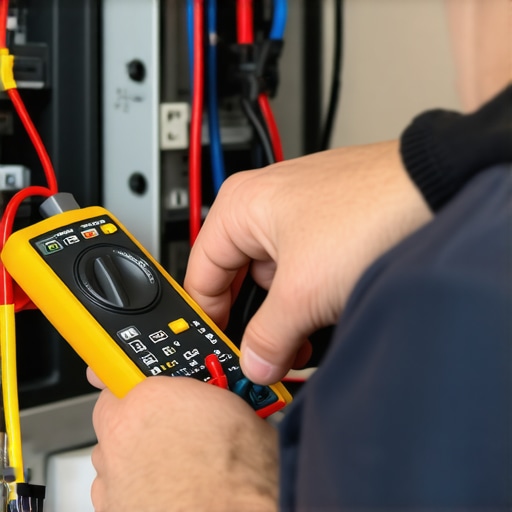
In my experience, having a reliable digital multimeter is essential for troubleshooting minor electrical issues quickly and accurately. I personally use the Fluke 117 VoltAlert due to its precision and durability. This device helps me verify circuit voltages, continuity, and even detect phantom voltages, saving time and preventing unnecessary disassembly. For appliance-specific diagnostics, I recommend a thermal camera like the FLIR C3, which allows me to detect hidden heat signatures and identify overheating components before failure occurs. These tools empower you to perform proactive maintenance and catch potential problems early.
Adopt a Routine Maintenance Schedule
Consistent upkeep is key to long-term appliance performance. I schedule monthly inspections and cleaning tasks, such as checking door seals, filters, and lubricant levels. Using a checklist ensures I don’t overlook critical components. For example, cleaning the condenser coils of refrigeration units yearly prevents unnecessary strain on the compressor. Regular maintenance not only prolongs appliance lifespan but also minimizes emergency repairs and warranty claims. Remember, manufacturers often specify maintenance intervals—review your appliance’s manual for tailored advice.
Leverage Smart Monitoring Software
Modern appliances increasingly come with built-in sensors and connectivity options. I utilize diagnostic apps supplied by manufacturers for real-time monitoring of vital parameters. For instance, Bosch’s HomeConnect app provides insights into cycle statuses and alerts me to irregularities, enabling prompt action. Connecting these systems with your smartphone facilitates remote diagnostics and scheduling, reducing downtime. As technology continues advancing, integrating smart diagnostics will become standard, making maintenance more efficient and less intrusive.
Anticipate Future Trends in Appliance Care
Looking ahead, I predict a surge in AI-powered predictive maintenance systems. These platforms analyze sensor data to forecast failures days or even weeks in advance, allowing preemptive repairs. This shift will drastically reduce repair costs and downtime, and warranty providers may incorporate such tools into their coverage. To stay ahead, I suggest exploring current smart monitoring solutions and experimenting with IoT-enabled appliances to see how they can improve your maintenance routine.
How do I keep my appliances performing at their best over time?
Start by adopting a proactive approach using advanced diagnostic tools like digital multimeters and thermal cameras. Couple these with a disciplined maintenance schedule, focusing on cleaning, lubrication, and inspection. Leverage smart software when available to monitor performance remotely. Regularly educate yourself on the latest technology trends to anticipate upcoming innovations in appliance care. Doing so ensures your devices remain efficient, reliable, and covered under warranty. For a comprehensive guide, check out our expert guide on appliance maintenance strategies.
Need help setting up these tools or planning your maintenance routine? Contact us through our contact page.
To give this approach a try, I recommend starting with a high-quality digital multimeter to troubleshoot minor electrical issues yourself. It can save you a lot of time and money over the long run.
What I Wish I Knew About Smart Lock Batteries Before Wasting Weeks
One of the toughest lessons I learned was how easily cheap batteries can sabotage your smart home’s security. Switching to high-quality brands and understanding the power demands of your lock can make all the difference. Also, I underestimated how environmental factors like temperature swings can accelerate battery drain, teaching me the importance of placement and regular maintenance. Another lightbulb moment was realizing that toggling unnecessary connectivity features can drastically extend battery life, saving me from constant replacements. Lastly, investing in smart monitoring tools changed the game, giving me real-time insights and preventive alerts that keep my smart lock running smoothly without surprise failures.
My Essential Tools for Reliable Appliance Care
Over the years, I’ve come to trust a handful of tools that elevate my maintenance game. The expert guide has been invaluable for understanding best practices. A digital multimeter, like the Fluke 117, helps me troubleshoot electrical issues swiftly, saving time and money. A thermal camera, such as the FLIR C3, allows me to spot overheating components early. Combining these with a routine maintenance checklist—covering everything from battery checks to environmental adjustments—ensures my appliances perform at their peak. For ongoing education, I follow industry blogs that keep me updated on innovative diagnostic tools and smart appliance features, making proactive care second nature.
Keep Learning and Keep Moving Forward
Your journey to mastering appliance maintenance doesn’t end here. Embracing the latest diagnostic techniques and preventive routines is your best defense against unexpected breakdowns. I recommend staying curious and proactive—invest in quality tools, read authoritative guides, and don’t hesitate to reach out for professional assistance when needed. Remember, every effort you make today sets the stage for fewer repairs tomorrow. Curious about specific troubleshooting steps or want personalized advice? Drop a comment below and let’s keep this conversation going! To learn more, explore our comprehensive expert guide.