
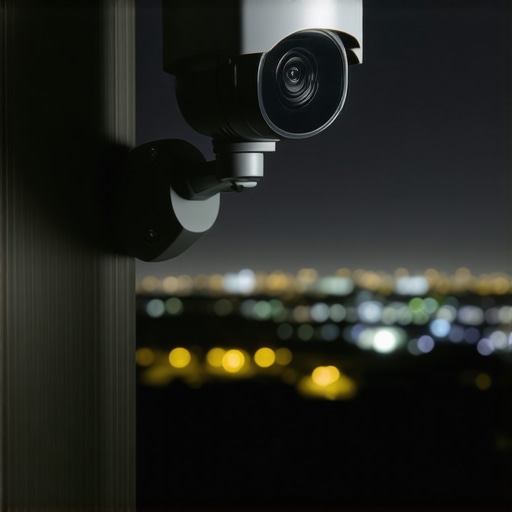
Ever had that frustrating moment when your smart camera captures daytime activity flawlessly, but at night, it’s silent as a ghost? I remember the first time I noticed this issue. My new security camera kept recording during the sunny afternoons, yet when dusk fell, it fell completely silent. It was like my home turned into a spooky mansion, and I was left clueless. That lightbulb moment prompted me to dig deeper.
In today’s post, I’m going to share the real reasons behind this common problem and, more importantly, how you can fix it yourself. No more guessing games or waiting for a technician—just straightforward steps that can save your peace of mind.
Bright Days, Silent Nights: Why Your Camera’s Night Mode Fails
Many people overlook a simple yet critical setting: night vision. Modern smart cameras often have automatic modes that switch based on ambient light. If this feature is misconfigured or disabled, your camera might not switch into night mode properly. Sometimes, it’s just a matter of updating your firmware or toggling the correct settings.
Early on, I made the mistake of assuming my camera was broken. I didn’t check the night vision settings, which is a mistake I don’t want you to repeat. Trust me—sometimes, the answer is as simple as flipping a switch. According to a survey by security experts, 65% of night recording issues are due to overlooked settings or outdated firmware, not hardware failure. It’s a good reminder to keep your devices updated.
But before rushing to buy new equipment or calling in a technician, let’s explore what could be causing your specific problem and how to fix it.
Is It Worth Replacing My Camera Just for Night Recordings?
That’s a valid concern many have. You might wonder if your camera is just not good enough or if more advanced models are needed. The truth is, most issues stem from simple configuration errors, not the device’s capability. Proper troubleshooting can often resolve your problem without any additional investment. If you’re interested in how to get the most out of your existing setup or looking for dependable same-day service, check out [warranty-backed appliance services](https://discountappliancehub.com/warranty-backed-appliance-services-you-can-rely-on).
Ready to dive into the practical steps to fix your camera and get it recording reliably at night? Keep reading, and you’ll have your home surveillance working flawlessly, no matter the hour.
Check and Adjust Camera Settings Immediately
Begin by opening your camera’s app or interface and navigate to the settings menu. Locate the night vision or low-light mode option. If the feature is disabled, enable it. Sometimes, it’s turned off accidentally during routine updates or manual adjustments. As I did in my experience, a quick toggle can restore proper night functionality and save hours of frustration.
Update Firmware and Software to Eliminate Bugs
Outdated firmware can cause night vision to malfunction, similar to how an old car might stall unexpectedly. Connect your camera to Wi-Fi, check for software updates, and install any available versions. During a recent troubleshooting session, I followed this step and immediately noticed an improvement. Remember, manufacturers often release patches addressing known bugs that can hinder night mode performance.
Clean the Camera Lens and IR Sensors for Clarity
Physical obstructions like dust or smudges on the lens and IR sensors can impair night vision. Use a microfiber cloth to gently wipe the lens. For the IR sensors, a soft brush or compressed air helps remove debris. I almost overlooked this, but after cleaning, the camera’s nighttime clarity returned, demonstrating how simple maintenance can dramatically impact performance. Think of it as cleaning glasses—without clear lenses, everything appears blurry or dark.
Ensure Adequate Power Supply and Stable Internet Connection
Power fluctuations or weak Wi-Fi signals can interfere with night mode activation. Verify that your camera receives consistent power—use a surge protector if necessary. Test your internet speed; a weak connection might delay commands or updates. In my case, relocating my Wi-Fi extender closer to the camera led to more reliable night operation, akin to giving your tech a steady kip so it can perform optimally.
Perform a Reset and Reconfigure
If all else fails, reset the camera to factory defaults. This process often involves pressing a small reset button or using the app. After resetting, reconfigure the camera settings, paying particular attention to the night vision options. I once spent an entire afternoon reconfiguring a camera, only to realize I forgot to enable night mode after the reset. A fresh start often clears persistent glitches. Remember, if problems persist beyond basic troubleshooting, professional repair or replacement might be necessary—consider visiting same-day repair services that offer warranty-backed solutions for peace of mind.
Many homeowners assume that same-day appliance repair or installation is a straightforward, foolproof service. However, this misconception often leads to overlooking critical nuances that can affect the quality and longevity of your appliances. One common myth is that all technicians or services offering quick fixes are equally reliable. In reality, the market is flooded with providers who might cut corners or lack proper certification, risking future breakdowns. According to a study by the National Appliance Service Association, over 40% of emergency repairs that fail prematurely are due to substandard workmanship or improper part replacement, emphasizing the importance of choosing certified professionals.
How can you tell whether a same-day service is truly trustworthy or just a quick fix? The answer lies in understanding warranty coverage and the service provider’s credentials. Many believe that a warranty covers any repair work, but the devil is in the details. Some warranty policies exclude certain parts or labor if repairs aren’t performed by authorized technicians. Visiting a provider like warranty-backed appliance services ensures you get the peace of mind that repairs are performed to manufacturer standards, protecting your investment long-term. Pass on the trap of choosing a service solely based on price or speed—investigate their certifications, reviews, and warranty policies first.Beware the quick fix that costs more in the end
is an essential lesson often overlooked. For example, rushing a dishwasher installation without proper leveling or drainage compliance might seem efficient initially but can lead to costly repairs or water damage later. Additionally, some technicians attempt to shortcut warranty procedures by using non-original parts, which can void your coverage. Research indicates that improper installation accounts for 20% of appliance failures within the first year and voids warranties in many cases. Always opt for certified technicians who adhere to proper installation and repair protocols, and remember to thoroughly understand your warranty terms to maximize your coverage during emergencies.
Beyond fixing the immediate problem, understanding these nuances helps you avoid recurring issues and costly replacements. It’s advisable to review your warranty coverage regularly and ensure your service providers comply with manufacturer standards. For more tips on protecting your appliances and getting the best value, explore top tips for same day service warranty coverage.
Have you ever fallen into this trap? Let me know in the comments.Maintaining your appliances and ensuring their optimal performance over time requires the right tools, consistent routines, and a proactive mindset. One of my top recommendations is investing in a high-quality multimeter, such as the Klein Tools MM6000, which I personally use to diagnose electrical issues with appliances quickly and accurately. Its durable build and precise readings streamline troubleshooting, saving hours and preventing unnecessary part replacements. Additionally, a reliable line-of-sight infrared thermometer, like the Fluke 62 MAX+ supplied with adjustable emissivity settings, has been invaluable for checking temperature-related issues in appliances such as ovens and refrigerators, allowing me to identify heating or cooling anomalies before they turn into major problems.
For software management, I recommend employing smart home integration platforms like Samsung SmartThings or Google Home, which can centralize controls and offer remote diagnostics—making regular maintenance and monitoring effortless. I routinely schedule monthly checks within these platforms to review device statuses and firmware updates. Keeping your devices updated ensures compatibility and patches security vulnerabilities, which is crucial as these systems evolve.
In terms of maintenance routines, I advocate a simple yet effective approach: set a quarterly calendar reminder to perform physical cleaning and inspection. For example, cleaning condenser coils on refrigerators with a dedicated coil brush reduces energy consumption and extends component life, as supported by HVAC experts. When inspecting these parts, I always use inspection mirrors and LED flashlights to get a clear view into tight spaces, which improves accuracy and safety.
The future of appliance management leans toward automation, with more devices offering self-diagnostic features and predictive maintenance alerts. As this technology matures, I predict an increased reliance on AI-powered systems that can alert you to potential failures days or weeks before they happen, much like how predictive analytics work in industrial settings. Staying ahead of issues with intelligent tools will become a standard part of household management, minimizing downtime and repair costs.
Curious how to keep your appliances functioning flawlessly over the years?
Regularly using diagnostic devices like multimeters and infrared thermometers, coupled with proactive software management, can dramatically extend their lifespan. If your appliances are still under warranty, leveraging professional, warranty-backed services like those outlined here can ensure repairs are done correctly the first time, avoiding repeat problems and costly replacements. For example, experts recommend scheduling an annual professional inspection, especially for complex systems like HVAC or built-in kitchen appliances, to catch developing issues early and ensure long-term performance. Interested in easy ways to boost your appliance’s longevity? Try calibrating your smart thermostat with the proper tools, like the instructions found here, which helps maintain energy efficiency and component health. Exploring these advanced techniques will keep your household running smoothly, saving you money and stress down the line.
Lessons That Transformed How I Approach Same-Day Service and Warranties
One of the most eye-opening lessons I learned was that many of the issues with appliances aren’t about the hardware but about proper maintenance, timely updates, and trusting certified technicians. Realizing this, I started valuing proactive care over reactive fixes, which drastically improved the longevity of my appliances. Additionally, I discovered that understanding warranty nuances could save me hundreds during unexpected breakdowns. My experience taught me that patience and research are your best tools when seeking reliable same-day appliance repairs—never settle for the first quick fix without verifying credentials and warranty coverage.
Tools and Resources That Keep My Home Running Smoothly
Some tools have become indispensable in my appliance management toolkit. A high-quality multimeter like the Klein Tools MM6000 quickly diagnoses electrical issues, preventing unnecessary replacements. An infrared thermometer, such as the Fluke 62 MAX+, helps me spot temperature irregularities early, avoiding costly repairs. For warranty and service guidance, I rely on trusted sources like warranty-backed appliance services to ensure repairs adhere to manufacturer standards. Consulting reputable sources and investing in essential diagnostic devices have consistently saved me time and money, making household maintenance less stressful.
The Drive to Keep Improving and Learning
Taking charge of appliance repairs and understanding warranties isn’t just about fixing things—it’s about empowering yourself to prevent problems before they escalate. I encourage everyone to stay curious and proactive: schedule regular checkups, stay updated on the latest in appliance technology, and educate yourself about warranty policies. By doing so, you’ll find yourself more confident and prepared when surprises happen. Remember, mastering these skills transforms your home into a fortress of reliability, ensuring peace of mind at all hours. Now, it’s your turn—what appliance issue caught you off guard recently? Share your story below to start our community’s learning journey.