
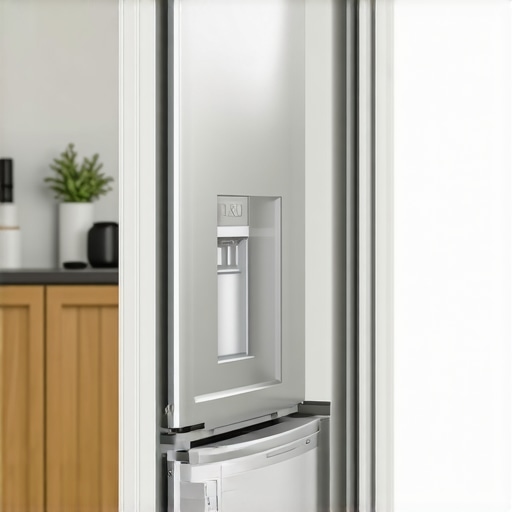
It was a hot Saturday afternoon when I opened my fridge, only to find the door slightly ajar, the leftover casserole and veggies threatening to spoil. That tiny gap was enough to let the cold air escape, causing my entire fridge to work overtime and my groceries to lose their freshness. I realized, in that moment, that something as simple as a door not closing on its own could turn into a mini crisis. Have you ever experienced that frustrating feeling of a refrigerator door refusing to stay shut, especially when you least expect it? Well, you’re not alone. I’ve been there too—and I want to help you solve this pesky problem once and for all.
Understanding Why Your Fridge Door Keeps Swinging Open
It’s more common than you think. Many homeowners overlook the importance of a properly sealed fridge door, thinking it’s just a minor inconvenience. But a door that won’t stay closed wastes energy, drives up your utility bills, and can even damage your appliance over time. The root causes often boil down to simple, fixable issues like misaligned hinges, worn-out gaskets, or accumulated debris preventing a tight seal. According to appliance repair experts, about 70% of fridge door problems stem from these easily overlooked factors. Identifying the exact culprit is the first step toward a quick, effective fix.
Early in my own experience, I made the mistake of assuming the gasket was irreparably damaged because I saw some cracks. It turned out, the real issue was a layer of dust and food crumbs lodged in the seal, preventing it from hugging the fridge frame tightly. Cleaning the gasket was a game-changer, and I saved myself the cost of a replacement. If you’re facing similar issues, it’s worth inspecting all components carefully, as detailed in our expert guide to appliance repair.
In the sections that follow, we’ll walk through the practical steps you can take to get your fridge door closing firmly and effortlessly again—saving energy, extending your appliance’s lifespan, and keeping your food fresh longer. Ready to become your own appliance repair hero? Let’s dive in and fix that stubborn door once and for all.
Check the Door Gasket’s Condition and Clean it Thoroughly
First, open the fridge door and inspect the rubber gasket around the perimeter. Look for cracks, tears, or deformities. I remember a time when I found a small tear on my gasket that kept it from sealing properly. I replaced it after cleaning, and the door stayed shut perfectly. To ensure a good seal, clean the gasket with warm, soapy water and a soft cloth to remove dust and food particles that can prevent proper sealing. If debris and grime aren’t the issue, proceed to check for alignment issues.
Adjust the Door Hinges for Proper Alignment
Loosen and Tighten Hinges Carefully
If the door appears misaligned or droops, the hinges might need adjustment. Use a screwdriver to loosen the hinge screws, realign the door so it is flush with the fridge body, then tighten the screws firmly. I once had a fridge that sagged after years of use. A quick hinge adjustment fixed the problem instantly. Proper alignment ensures the door seals tightly when closed. Be cautious not to overtighten, which can cause new misalignments.
Test the Seal After Adjustment
Close the door gently but firmly to test if it stays shut naturally. Place a dollar bill or paper between the door and the fridge; if it slides out easily with resistance, the seal isn’t tight enough. Adjust hinges again if necessary. Proper alignment and sealing prevent cold air loss and reduce energy bills.
Replace or Repair the Door Gasket if Needed
If cleaning and adjustments don’t solve the problem, consider replacing the gasket. Gaskets can degrade over time, developing cracks or losing elasticity. I replaced mine with a new one from the manufacturer, which instantly improved the seal. When purchasing a replacement, verify compatibility with your fridge model. Follow the manufacturer’s instructions for removal of the old gasket and installation of the new one. This is crucial to ensure a proper, airtight seal and prevent the door from swinging open.
Secure the Door Closing Mechanism
Some fridges have a door latch or magnetic catch that helps keep the door closed. Check that these components aren’t damaged or misaligned. If loose, tighten screws or replace faulty catches. For example, I once had a latch that became loose; securing it fixed the issue, making sure the fridge door remained shut without extra effort. Regular inspection of these parts prolongs appliance life and maintains efficiency.
Confirm Proper Leveling of the Fridge
Use a bubble level to check if your fridge is sitting evenly. If it’s tilted forward or to the side, the door might not close properly. Adjust the leveling feet accordingly, turning them clockwise or counterclockwise to achieve a stable, level position. I learned this the hard way when my fridge slightly tilted forward, causing the door to stay ajar. Proper leveling ensures even weight distribution on the hinges and optimal sealing.
Schedule a Professional Inspection if Problems Persist
If after these steps your fridge door still refuses to stay closed, it may indicate internal hinge damage or significant component wear. In that case, it’s advisable to contact a reliable repair service. Quick, same-day repair services can resolve complex issues efficiently, especially when parts need replacement. Supporting your appliance’s warranty by using certified experts ensures quality repairs. You can find trusted technicians through reliable providers that offer same-day appliance repair with warranty support.
Many homeowners assume that choosing same-day appliance repair guarantees quick fixes, comprehensive warranties, and flawless installations. However, this common belief often obscures critical nuances that can affect your repair experience and long-term satisfaction.
**Let’s challenge that assumption and uncover what most people overlook.**
**The Myth of Instant Fixes:**
Everyone praises same-day service as the ultimate solution, but in reality, rushing repairs can lead to oversight. Technicians under pressure might skip thorough diagnostics, leading to repeat visits or incomplete fixes. This “quick fix” mentality risks compromising quality over speed. Always ensure that your chosen service employs detailed diagnostic procedures, as highlighted in our expert guide to appliance repair.
**Warranty Coverage Isn’t Always What’s Perceived:**
Many believe that a warranty automatically covers all repairs during a service call. Yet, some warranties are surprisingly limited, covering only specific parts or excluding labor costs. In some cases, warranties are voided if the appliance wasn’t installed or repaired by certified professionals. To truly maximize your warranty benefits, it’s wise to understand the fine print and opt for services that offer comprehensive warranty-backed solutions, as discussed in warranty-backed appliance services.
**Installation Pitfalls Experts Sometimes Miss:**
Professional installation is vital, yet even specialists can stumble if they’re unfamiliar with the latest standards. For instance, improper venting or incorrect leveling can cause appliances to malfunction prematurely. A common trap is neglecting proper grounding or misaligning connections, which can void warranties or cause safety hazards. Entering the conversation with accredited technicians, as recommended in reliable installation practices, can protect your investments.
**Why You Should Question Service Guarantees:**
Many companies advertise “same-day” services with promises of perfection, but there’s a hidden nuance. Service quality varies widely, and some providers prioritize quick turnover over meticulous work. Moreover, some warranties are only valid if appointments are booked through authorized channels, preventing third-party influences from invalidating coverage. Always verify credentials and the scope of warranty support before scheduling.
What Advanced Homeowners Should Know About Repair and Warranty Practices
Understanding the finer points of service agreements and installation standards enables you to make informed decisions that save money and enhance safety. For example, overlooked details like proper sealing during installation or accurate calibration can dramatically influence appliance longevity. As a tip, regular maintenance combined with knowledgeable technicians ensures you don’t fall prey to common pitfalls, a strategy supported by appliance experts worldwide.
**Have you ever fallen into this trap?** Let me know in the comments. Remember, the devil is in the details, and being an informed consumer empowers you to secure the best outcomes for your household appliances.
Essential Equipment for Reliable Appliance Maintenance
Staying on top of appliance care requires the right tools, not just a basic toolkit. I’ve found that investing in specific, high-quality equipment makes a significant difference in diagnosing issues accurately and ensuring long-term functionality. One must-have for any serious homeowner or repair enthusiast is a digital multimeter. I personally rely on the Fluke 117, renowned for its accuracy and durability; it allows me to quickly test electrical circuits and verify voltage levels, preventing dangerous mishaps during repairs. Additionally, a quality infrared thermometer helps me identify temperature irregularities in heat-generating appliances like dryers or ovens, which can signal underlying problems before they become serious.
Another tool I swear by is a set of precision screwdrivers with magnetic tips. This ensures I can disassemble appliances safely without damaging delicate components, especially when working on tight spaces like refrigerator compressors or microwave panels. Over time, wear and tear on appliance components often cause issues that aren’t visible with the naked eye. That’s why I incorporate a borescope inspection camera into my toolkit—it allows me to peer into inaccessible areas like the inside of a dishwasher or the coils of a condenser without costly disassembly. This approach saves time and prevents unnecessary parts replacement.
Adopting Software and Diagnostic Apps
Beyond hardware, I leverage specialized software and mobile apps to streamline diagnostics and scheduling. For example, certain appliance brands offer diagnostic apps that connect via Wi-Fi or Bluetooth, providing real-time error codes and troubleshooting steps directly on my device. This not only enhances accuracy but also speeds up repair timelines, especially when coordinating with service providers. I recommend exploring such apps for brands like Samsung or LG, which often offer detailed manuals and firmware updates accessible through their official portals. Incorporating these digital tools ensures I stay ahead of potential issues and can act proactively rather than reactively.
Preparing for Long-Term Success and Scaling Up
As your appliance collection grows, so does the need for efficient management. I suggest investing in a centralized maintenance log—either a dedicated digital notebook or a custom spreadsheet—to track service dates, parts replaced, and warranty expiration periods. Doing so helps plan future repairs and prevents surprises that could void warranties. For scaling your maintenance routine, consider subscribing to trusted appliance service providers that offer same-day service and warranty-backed repairs. Their technicians often come equipped with diagnostic tools and spare parts, ensuring you minimize downtime and keep your appliances performing reliably.
How do I maintain my appliance tools and diagnostics over time?
Regular calibration of your multimeter and thermometers is crucial to maintain accuracy. Store your tools in protective cases, keep batteries fresh, and perform periodic tests against known standards. Updating your software apps ensures you have access to the latest troubleshooting data and firmware updates. As technology advances, manufacturers release smarter diagnostic features that simplify complex repairs, making maintenance more accessible for both DIY enthusiasts and professionals. Preparing a dedicated inventory of replacement parts and consumables—like gasket seals or filters—also helps scale up your maintenance efforts effortlessly.
If you’re serious about appliance longevity, try integrating a combination of reliable hardware and smart diagnostics into your routine. It not only saves you money but also increases your confidence in handling repairs. Remember, the key is consistency and keeping your tools in top shape for precise, long-lasting results. For comprehensive guidance on warranty and repair tips, check out our expert guide to appliance repair, and don’t hesitate to reach out for professional assistance when needed.
Three Unexpected Truths I Discovered About Same-Day Service and Warranties
In my years of tackling appliance issues, I learned that not all same-day repair services are created equal. The first lesson was realizing that quick fixes often mask underlying problems; rushing to resolve a symptom can lead to recurring issues. The second insight was that warranties can be tricky—what seems covered might have exclusions, making it essential to read the fine print and ask the right questions upfront. Lastly, I discovered that proper installation isn’t just a box to check—it’s a crucial step that directly impacts repair success and appliance longevity. These lessons shaped my approach, ensuring I get quality service that truly lasts.
Tools I Trust to Keep My Appliance Repairs on Point
Over the years, I’ve curated a set of reliable tools that make appliance troubleshooting more effective. The high-quality digital multimeter allows me to diagnose electrical issues with confidence, saving time and preventing hazards. An infrared thermometer helps identify overheating components before they fail. Additionally, a set of premium precision screwdrivers and a borescope inspection camera are game changers for delicate disassemblies. These tools empower me to perform accurate, long-lasting repairs, giving me peace of mind and saving costs.
Let’s Rewrite How You Approach Appliance Emergencies
Taking charge of appliance repair isn’t just about fixing a broken part; it’s about empowering yourself to make smart decisions. Remember, knowing when to seek professional help versus DIY fixes can prevent costly errors. Prioritize understanding your warranty coverage and choose service providers that offer warranty-backed, same-day repairs. Equip yourself with the right tools, stay informed about your appliances’ specific needs, and don’t shy away from asking detailed questions when professionals arrive. Your proactive approach can turn unexpected appliance hiccups into opportunities for learning and savings.