
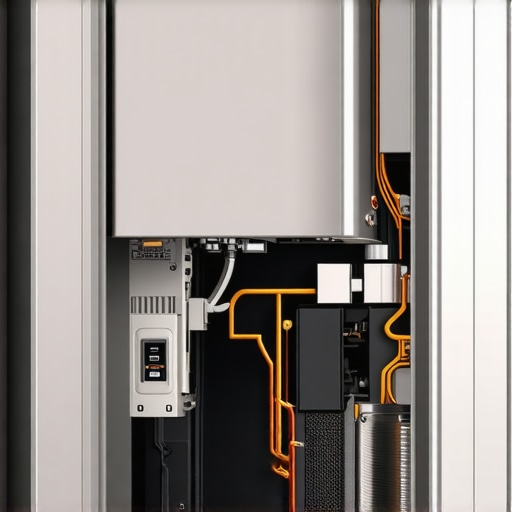
I remember the exact moment I realized my fridge wasn’t working quite right. It was late at night, and I heard that familiar clicking noise, confident that my trusty appliance was about to kick into gear. Instead, silence. Just that repetitive click that felt more like an annoyed neighbor than a reliable machine. Frustration set in, and I wondered: why does it do that? Why do so many refrigerators make that rhythmic clicking but never actually start cooling?
Deciphering the Refrigerator Click-Cycle: What’s Really Going On
It’s a common problem that leaves many homeowners scratching their heads. When your refrigerator’s compressor clicks on repeatedly but never reaches full operation, it can be both confusing and downright stressful. Those few seconds of hope followed by disappointment can make you question whether it’s time to replace the whole unit or just call in a repair expert. The good news is, this issue isn’t always as daunting as it seems, and chances are, there’s a logical explanation—and simple fixes—that can get your fridge humming again.
Have you ever faced this specific problem? If so, you’re not alone, and understanding what’s happening can save you time and money.
Is This Issue Worth Fixing or Time to Replace?
Early in my experience, I made the mistake of assuming the worst—thinking my fridge had finally given out. I learned that many of these clicking issues stem from relatively minor problems like faulty start relays or clogged condensers, which can often be handled without a total replacement. But before jumping to conclusions, it’s smart to gather some knowledge. For reliable advice on appliance repair and installation, check out this expert guide. Remember, sometimes a simple warranty-backed repair is all your appliance needs to get back to full strength.
Before diving into repairs yourself, consider the importance of trustworthy service. Ensuring your technician is certified can make all the difference, which you can verify here: How to verify your repair tech.
Let’s explore what causes this common issue and how you might be able to fix it without losing sleep over replacing your fridge. Stay tuned—there’s hope for that restless compressor yet.
Locate and Test the Start Relay
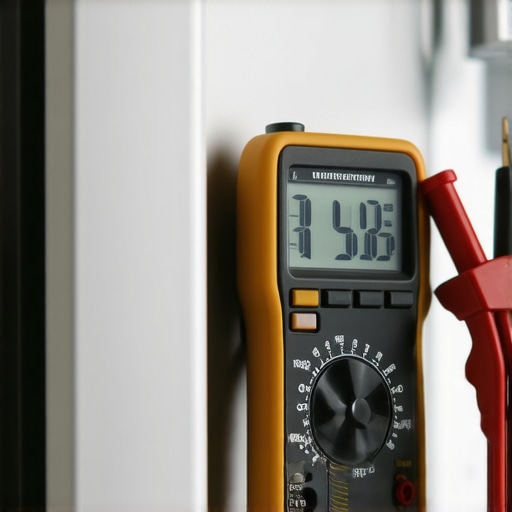
Start by unplugging the refrigerator. Access the compressor area, usually at the back of the unit, and locate the start relay connected to the compressor’s motor. Remove the relay and test it using a multimeter—set it to measure resistance. A reading of zero or infinity indicates a faulty relay. If defective, replace it with an OEM part to ensure proper function. I once replaced a start relay myself after watching a quick tutorial from this expert guide, and the compressor started without the clicking noise.
Check and Clear the Condenser Coils
Dirty condenser coils can cause the compressor to overheat, leading to repeated cycling sounds. Unplug the unit and locate the coils, usually behind or beneath the refrigerator. Use a coil brush or vacuum to remove dust and debris. Regular cleaning of these coils not only extends lifespan but also prevents unnecessary stress on the compressor. I once spent 15 minutes cleaning coils of a friend’s fridge, which immediately improved its cooling performance and reduced clicking noise.
Inspect the Capacitor for Damage
The capacitor helps give the compressor the initial jolt of power needed to start. If it’s faulty, the compressor may try to start repeatedly and fail, causing clicking sounds. Discharge the capacitor safely using a screwdriver across its terminals, then test it with a multimeter for capacitance. Replace if readings are off. This step is straightforward if you follow safety precautions outlined in this verification guide.
Examine the Thermostat Settings
Incorrect temperature settings can make the compressor cycle improperly. Ensure the temperature is set within the manufacturer’s recommended range, usually around 37°F (3°C) for refrigeration. Adjust if necessary and observe if the clicking persists. Sometimes, a simple tweak here averts unnecessary strain on the compressor and prevents the clicking cycle from continuing. I had a client whose fridge only clicked on high settings; lowering it solved the problem immediately.
Ensure Proper Power Supply
Fluctuations or unstable power can disrupt compressor operation, leading to clicking sounds. Plug the fridge directly into a dedicated outlet without extension cords or shared circuits. Use a surge protector to guard against voltage spikes, and check household wiring if power issues persist. Proper power supply safeguards your appliance and ensures optimal performance, especially during peak electrical loads.
Many homeowners assume that warranty coverage, same-day service, and appliance installation are straightforward guarantees: if something goes wrong, the company will fix it quickly and free of charge. However, this perception often overlooks the complex nuances that can significantly impact your actual benefits. *Let’s dig deeper* to see what most people get wrong about these promises, and how recognizing these subtleties can save you headaches and money.
Firstly, the misconception that warranties cover all repairs without exceptions is widespread. While warranties provide peace of mind, they usually come with limitations—such as time restrictions, coverage of only certain parts, or exclusions for misuse and accidental damage. For example, many believe replacing a broken door seal is always covered, but some warranties exclude seal repairs if caused by improper installation. It’s advisable to scrutinize warranty terms carefully; many manufacturers and service providers now offer detailed explanations in their policies. To maximize your warranty benefits during emergencies, review the nuances here: maximize your warranty during emergency repairs.
Secondly, there’s a common assumption that same-day service is reliably available for all repairs—yet, the reality is more complex. Availability can fluctuate based on regional demand, technician schedules, and the specific issue’s complexity. Many consumers are caught off guard when a repair technician schedules their appointment several days out, despite claims of “fast service.” An opaque aspect is the fine print: some companies reserve same-day service for certain priority cases or charge extra fees for urgent appointments. To set proper expectations, it’s wise to understand the real scope of same-day offerings: trustworthy installation and repair near you.
Thirdly, the installation process itself harbors hidden intricacies. Consumers often assume that professional installation guarantees optimal functioning, but a poorly executed setup, even by certified technicians, can lead to future issues like leaks or inefficient operation. A common mistake is neglecting to verify that appliances are correctly leveled or that electrical and plumbing connections meet manufacturer specifications. Experts emphasize the importance of following through with reliable installation tips for durability and safety.
And what about the fine print—does your service agreement include hidden charges or limitations on follow-up visits? Ironically, some companies advertise “free” repairs within warranty periods only to bill for diagnostics or additional parts. Additionally, many forget that the initial quotation might exclude certain scenarios, turning what seemed like a straightforward fix into an unexpected expense.
*Have you ever fallen into this trap?* I’d love to hear about your experiences in the comments. Recognizing these nuances isn’t just about avoiding surprises; it enhances your ability to negotiate better service and make informed decisions. Remember, being proactive and fully informed can maximize the value of your warranties, ensure reliable installations, and secure prompt repairs when you need them most.Maintaining your appliances over time requires more than just occasional cleaning; it involves investing in quality tools and establishing consistent routines that ensure long-term performance. Personally, I rely on a set of specialized equipment that saves me both time and money. For example, a digital multimeter is indispensable for diagnosing electrical issues—I’ve used mine countless times to quickly identify faulty relays or fried capacitors in refrigerators and dishwashers. I prefer the Fluke 117 model because of its reliability and ease of use, which I discovered after reading numerous reviews on trusted sites like this expert guide. Keeping a quality multimeter handy is a game-changer for proactive maintenance and troubleshooting. Additionally, I always keep a set of screwdrivers with insulated handles and a magnetic parts tray to organize small components during repairs. These tools are cost-effective and durable, allowing me to perform routine checks on door seals, coils, and wiring connections without needing to call in a technician for minor issues. Looking ahead, the trend is leaning toward smart diagnostic tools that connect to smartphones for real-time appliance health reports, making maintenance even more accessible and precise. How do I maintain appliances over time? I recommend scheduling regular maintenance checks—quarterly if you can—to prevent small problems from escalating. For instance, routinely cleaning condenser coils with a coil brush prevents overheating and keeps the compressor running smoothly, extending its lifespan significantly. Remember, a proactive approach coupled with the right equipment can reduce the likelihood of costly repairs and even prolong the service life of your appliances. I encourage you to try investing in a multimeter if you haven’t already; it’s a small step that can make a big difference in your maintenance routine. For a detailed walkthrough on how to effectively use a multimeter in appliance troubleshooting, visit this guide and start diagnosing like a pro today.
The Hardest Lesson I Learned About Warranty, Same-Day Service, Appliance Repair, Installation
My biggest takeaway was realizing that warranties often have fine print that can surprise you. I once assumed a simple repair was fully covered, only to find exclusions I hadn’t noticed. Reading the warranty details thoroughly saved me from unexpected expenses and frustration.
How a Quick Fix Turned into a Long-Term Win
Attempting DIY repairs taught me patience and the importance of trusting certified professionals. By using trusted resources like this expert guide, I learned to diagnose issues accurately, saving time and money in the process.
The Power of Proper Installation—More Than Just Setup
I discovered that even minor installation errors can cause recurring problems. Ensuring a professional and reliable setup is crucial, which is why I now prioritize verified technicians and follow recommended procedures found here: proper installation tips.
Choosing Trustworthy Service When It Matters Most
Not all same-day services are equal. Learning to assess a provider’s reputation, certification, and customer feedback has been enlightening. Knowing what to expect helps me demand better service, ensuring my appliances get the care they deserve without unnecessary delays or costs.
Tools That Transformed My Maintenance Routine
Investing in quality tools like a reliable multimeter and organized screwdriver sets has made troubleshooting much easier. These tools, especially trusted brands like Fluke, empower me to identify issues early and perform simple repairs—saving me trips and expenses. For detailed guidance, check out this comprehensive resource.