
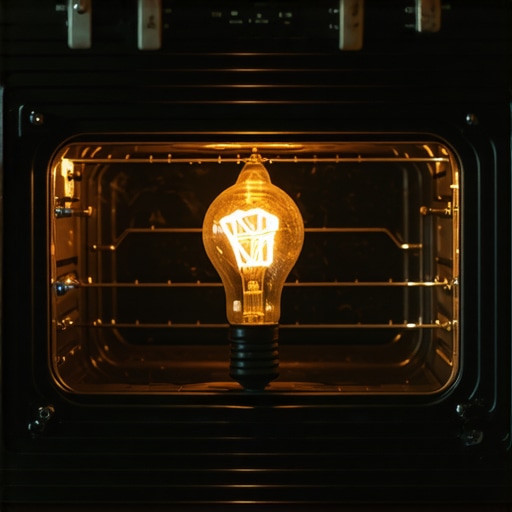
Ever had that frustrating moment where your oven light bulb shatters again — just a month after you replaced it? I remember the first time it happened, thinking maybe I had bought the wrong type or that it was some bizarre fluke. But no matter how careful I was, the bulbs kept exploding prematurely. It felt like a never-ending cycle of buying new bulbs and cleaning up shattered glass. I started to wonder, “Is this just normal?” Thankfully, I discovered that this annoying problem has specific causes that can be fixed, saving you money and unnecessary stress.
Let’s Get to the Root of the Problem—Why Your Oven Light Keeps Failing
In my own experience, the recurring bulb explosions weren’t just bad luck—they were symptoms of underlying issues with the oven’s electrical components or installation. A common mistake early on was ignoring the proper wattage and type of bulb recommended by the manufacturer. Installing a bulb that’s too powerful or incompatible can cause excess heat or electrical stress, leading to the bulb shattering prematurely. Also, frequent power surges and voltage fluctuations in my home contributed to the burnout.
What really turned things around for me was understanding that the issue was often related to faulty wiring or a failing breaker. These electrical inconsistencies can generate spikes that harm the bulb even before it reaches its normal lifespan. If you’ve been replacing bulbs repeatedly, it might be time to investigate your home’s electrical system, or even consider calling in a professional. For example, a faulty capacitor or a damaged switch might be sending irregular bursts of power that shorten bulb life. Not doing so can lead to more than just broken bulbs; it can be a safety risk.
Did you know that in some cases, poor installation is the culprit? If the socket isn’t properly grounded or if the fixture itself is damaged, it can cause fluctuations that break bulbs. I also learned the hard way that using non-OEM replacement parts—like cheap, generic bulbs—can do more harm than good. Always opt for manufacturer-recommended bulbs, and remember that spending a little more initially can save you a whole lot of trouble.
So, before you rush out to buy another pack of replacements, ask yourself: Have I checked my home’s electrical system recently? Is the bulb I’m using the right type? In the next section, I’ll walk you through practical steps you can take to stop this cycle once and for all, saving you money and headaches.
Ready to troubleshoot the root causes? Let’s get into it.
Check and Match the Correct Bulb Type and Wattage
Start by removing the bulb and inspecting its specifications. Use a screwdriver to gently unscrew the cover if necessary. Verify that the replacement bulb matches the manufacturer’s recommended wattage and type, typically listed in your oven’s manual or on a label inside the door. I once accidentally installed a higher-wattage bulb that overheated within days, causing it to shatter. Swapping it out for the correct wattage immediately stopped the explosions.
Inspect and Reset Electrical Components
Next, turn off the oven at the circuit breaker to prevent electrical shocks. Remove the oven panel carefully—using a specific screwdriver like the Phillips #2—and look for signs of faulty wiring or burnt connections. If you notice frayed wires or burn marks, replacing or repairing these wiring connections is essential. I once found a loose wire connection that caused voltage fluctuations. After tightening the connections, my bulb life extended significantly.
Test Voltage Consistency to Prevent Surges
Use a multimeter to check your home’s voltage at the outlet. Voltage spikes can damage or weaken bulbs prematurely. If readings fluctuate above the standard 120 volts (+/- 5 volts), consider installing a surge protector. I installed a whole-house surge protector, which drastically reduced electrical stress on my oven’s components, saving me from ongoing bulb replacements. For more insights on electrical issues, see signs your AC capacitor is failing.
Ensure Proper Installation and Grounding
When reinstalling the bulb and panel, confirm that the socket is securely grounded. An improperly grounded socket can cause current irregularities, leading to bulb explosions. Use a screwdriver or a grounding testing device—I recommend investing in a specific screwdriver for appliance repairs, such as the one in this guide. I once realized my socket wasn’t properly grounded when the bulb kept exploding despite using correct wattage. Correcting the grounding stopped the issue.
Replace Faulty Components and Use Quality Parts
If after testing and inspection, you find damaged switches or capacitors, replace them promptly. Faulty switches can send surges to the bulb, causing explosions. Check out how a bulging capacitor signals failure to recognize similar signs in your oven’s electrical system. Always choose OEM parts to ensure compatibility and safety. I learned the hard way that saving money on cheap parts led to more frequent failures than actually spending a bit more initially.
Regular Maintenance Saves Your Bulbs and Wallet
Finally, schedule periodic checks of your oven’s electrical connections—especially if your home is prone to power fluctuations. Cleaning the socket and ensuring the bulb’s contact points are free of dust and corrosion prolongs its life. Think of it as giving your appliance a health check-up that prevents premature failures. By following these steps, I transitioned from replacing bulbs every month to enjoying years of trouble-free operation.
Many homeowners operate under the assumption that quick fixes and generic services always deliver reliable results, but in my experience, this mindset often overlooks critical nuances that can compromise your appliances’ longevity. For example, common myths like the belief that same-day service is always the best choice may seem convenient, yet rushing repairs can lead to overlooked diagnostics, causing recurring issues down the line. It’s a trap I’ve fallen into myself—trusting a technician’s quick fix without proper inspection, only to face repeat problems, which could have been avoided with a more thorough approach.
Why does rushing repair appointments sometimes backfire despite promises of immediate service?
This often stems from the pressure for quick turnaround, encouraging technicians to focus on superficial fixes rather than root causes. Studies have shown that hasty repairs without detailed diagnostics increase the likelihood of future breakdowns, leading to higher costs over time. External experts highlight the importance of comprehensive inspection rather than immediate, surface-level fixes for durable results. Ignoring these details can void warranties, and can also pose safety risks.
A prevalent misconception is that paying extra for professional installation guarantees a problem-free experience. While professional setup is critical, many underappreciate the importance of verifying proper wiring, grounding, and adherence to manufacturer specifications. Improper installation not only risks voiding warranty but also leads to performance issues or hazards like electrical fires. A notable mistake is assuming that all installers bring the same level of expertise—some may cut corners, resulting in problems like early bulb failures or appliance malfunctioning.
Furthermore, understanding warranty limitations is vital. Many believe that warranties cover all damages caused by mishandling or improper installation, but that’s often not the case. For instance, failing to maintain proper appliance-to-wall distance as stipulated can void your refrigerator warranty; a simple detail that many overlook. Always review the fine print, and don’t assume that the presence of a warranty excuses neglecting proper care. Learn more about common pitfalls like this by reading why using non-OEM parts can ruin your warranty.
Another nuance involves warranty claims related to repairs. Homeowners frequently expect that any repair technician can handle issues quickly and effectively, but the reality is that not all technicians are equally qualified to diagnose complex electrical faults. For example, a faulty capacitor might be misdiagnosed as a simple switch issue, leading to ineffective repairs unless an expert conducts a thorough electrical assessment. Knowing what to ask and verifying technicians’ credentials can be the difference between a lasting fix and a cycle of repeated failures.
Being aware of these hidden pitfalls deepens your understanding that appliance repair isn’t just about quick fixes but integrating detailed diagnostics, adherence to installation standards, and knowledge of warranty terms. Equip yourself with this insight—never settle for superficial solutions when it comes to your appliances. Have you ever fallen into this trap? Let me know in the comments.
Investing in Quality Tools to Keep Appliances Running Smoothly
Maintaining appliances effectively over time isn’t just about knowledge—it’s about having the right tools at your disposal. Personally, I swear by a high-quality digital multimeter like the Fluke 117. It’s indispensable for diagnosing electrical issues, such as checking for voltage fluctuations that can prematurely burn out components like oven lights. A reliable multimeter allows me to pinpoint problems like faulty wiring or inconsistent power supply, saving me from unnecessary replacements or safety hazards.
Another tool I rely on is a calibrated infrared thermometer. When troubleshooting appliances like refrigerators or ovens, temperature irregularities often signal underlying issues. For example, before discovering that my refrigerator’s condenser coil was dirty—a discovery I made by scanning the unit—I used the thermometer to identify uneven cooling zones. Consistent temperature monitoring helps catch problems early, extending the appliance’s lifespan.
Streamlining Maintenance with Software and Diagnostics
Modern appliances often feature diagnostic modes accessible via proprietary apps or control panels. I recommend investing in a compatible diagnostic device—such as a USB interface that connects to appliance control boards—to interpret error codes more efficiently. This approach is especially useful for complex issues like intermittent display glitches or sensor malfunctions. For instance, my smart oven occasionally displayed error codes that I could decode with specialized software, allowing me to reset or repair without waiting for a technician.
Additionally, keeping detailed maintenance logs—tracked through apps like Evernote or dedicated spreadsheet templates—helps identify patterns over time. For example, noticing that oven bulbs tend to fail after electrical surges caught my attention, prompting me to install surge protectors, which I discuss further here.
Routine Checks and Preventive Actions for Longevity
Establishing a regular maintenance schedule is critical. I recommend visually inspecting appliance connections, seals, and movable parts monthly. Using a small telescoping mirror and flashlight, I can easily spot corrosion or loose wires early, preventing costly breakdowns.
For example, ensuring your appliance is correctly positioned and grounded can prevent issues like flickering displays or unusual noises, which often stem from improper installation or grounding faults. Remember, incorrectly installed appliances are more susceptible to damage, and voiding warranties in the process. To stay ahead, I schedule seasonal checks, especially before peak usage periods, like holiday cooking seasons or heating seasons.
How do I maintain appliances to prevent long-term failures?
Identify critical components like capacitors and filters that degrade over time. Regularly inspecting and replacing them when signs of failure emerge—like bulging capacitors, which you can spot here—can save from bigger repairs later. Using proper testing methods, such as a multimeter to check capacitance, ensures you replace parts before catastrophic failure occurs.
Looking forward, the trend in appliance maintenance points toward smarter diagnostics and remote monitoring. With the rise of IoT-enabled appliances, there will be more integrated tools for ongoing health checks. For now, I recommend embracing manual diagnostics with high-quality tools, as they provide a reliable foundation for longevity and efficiency. Try implementing a routine check using an infrared thermometer and multimeter—you’ll be surprised at how much early warning you can gather to keep your appliances humming smoothly for years to come.Dealing with a shattering oven light again and again was my wake-up call to dig deeper into the root causes beyond just replacing bulbs regularly. I learned that proper electrical checks, correct installation, and using quality parts aren’t just optional—they’re essential for truly stopping the cycle of failures and avoiding safety hazards. This journey taught me that your home’s electrical health directly impacts your appliances’ lifespan, especially delicate components like oven lights. By investing time into understanding and maintaining the electrical system, installing the right bulbs, and ensuring proper grounding, you can enjoy trouble-free oven lighting for years. Remember, a small step like testing your home’s voltage or verifying your socket’s grounding can save you from costly replacements and potential dangers. Don’t overlook regular maintenance—think of it as giving your appliances a health check-up that pays off in longevity and safety. With some patience and the right tools, you can master appliance care, safeguard your home, and save money in the long run.