
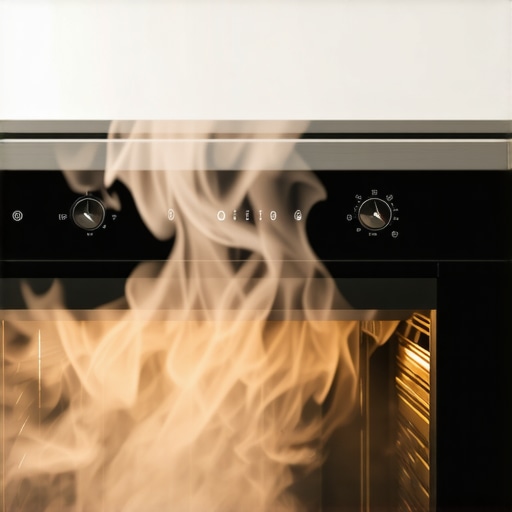
It was late at night when I first noticed that unmistakable smell wafting from my kitchen—burnt, slightly metallic, and oddly alarming. As I opened my oven, a thick cloud of smoke poured out, making me cough and panic. I realized I had cooked at a high temperature, but this smoke was not part of the plan. It was a real lightbulb moment: why does my oven smoke only at high temps, and what’s going on behind that smoke screen?
Understanding the Hidden Dangers of a Smoking Oven
There’s nothing quite as unsettling as fire or smoke coming from your trusted appliance. Not only does it ruin your cooking, but it also signals potential hazards—like grease buildup or faulty wiring—that could escalate into safety emergencies. The good news? Many of these issues are fixable once you identify the root cause. Today, I’m going to walk you through what’s causing your oven to smoke and how you can get it back to baking safely.
Is Ignoring the Smoke Actually Worth the Hype?
Early on, I made the mistake of dismissing minor smoke as just a little spill or high-temp cooking. But I learned quickly that ignoring such signs could lead to more serious problems or damage to your oven. According to the U.S. Consumer Product Safety Commission, neglected grease buildup and electrical issues can quickly turn into fire hazards. Recognizing these early symptoms is crucial to preventing accidents—and costly repairs.
Have you experienced your oven suddenly smoking during a high-temperature bake? If so, you’re not alone. This common issue often points to simple causes, but addressing it promptly can prevent dangerous escalation. Next, I’ll share the typical reasons behind this problem and how to troubleshoot them effectively.
Inspect the Oven for Grease and Food Debris
Start by turning off your oven and allowing it to cool completely. Remove all racks and utensils. Use a flashlight to look for grease, food spills, or any accumulated grime, especially around the heating elements and oven floor. Think of this step as cleaning your car’s air filter; clarity reveals the cause. I once found a forgotten spilled sauce that had baked onto the element, which caused smoke at high temps. Scrape off any residue with a plastic spatula and wipe with a damp cloth.
Clean the Heating Elements Thoroughly
Heating elements can accumulate grease that burns at high temperatures, causing smoke. Use a damp cloth or sponge to carefully wipe the elements, avoiding harsh abrasives. For stubborn grime, apply a mixture of baking soda and water, let it sit for 10 minutes, then gently scrub. Remember, like cleaning a clouded mirror, clear surfaces prevent unseen hazards from emitting smoke. In my experience, buildup sometimes looks innocuous but ignites once the oven heats up.
Check for Faulty Wiring or Electrical Issues
If grease is clean but smoke persists, electrical issues might be at play. Turn off your oven at the circuit breaker—safety first. Remove the panel behind or beneath the oven to access wiring. Look for frayed wires, scorched insulation, or loose connections. Use a multimeter to test continuity if you’re familiar; otherwise, consult a professional. Imagine it as inspecting a bike’s chain for rust—hidden damage can cause trouble at high speeds. I once fixed a loose wire that sparked briefly, preventing a potential fire, and restored safe operation.
Replace or Repair the Faulty Components
Damaged wiring, worn-out heating elements, or faulty thermostats could all cause smoking at high temperatures. Identify the defective part; check its compatibility with your model. Purchase genuine replacement parts through reputable sources to ensure quality and warranty coverage. Installing parts correctly is akin to assembling furniture—you need the right screwdriver here. During my last repair, replacing a broken thermostat solved the smoke issue, and the oven maintained consistent temperatures again.
Ensure Proper Cleaning and Maintenance Routine
Prevention is key. Regularly clean your oven, especially after heavy cooking or spills. Use appropriate oven cleaners, then wipe with a damp cloth. Check and replace door seals if they’re cracked, as leaks may cause smoke or odors. Proper maintenance extends appliance lifespan and avoids emergency repairs. Think of it like flushing your car’s radiator—proactive care keeps everything running smoothly and avoids unexpected breakdowns.
While many believe that choosing the cheapest or most advertised repair service guarantees quick fixes, on a deeper level, understanding the nuances of appliance repair can save you money and prevent future headaches. One widespread misconception is that same-day service always involves higher costs or rushed work, but the reality often depends on the technician’s expertise and resource availability. For advanced repairs, prioritizing reputable providers—even if they have slightly longer wait times—ensures thorough diagnostics and lasting solutions. Many customers fall into the trap of thinking warranties cover all repairs; however, most warranties exclude damage caused by improper installation or neglecting recommended maintenance routines. For example, neglecting to regularly clean your oven’s drainage loop may void warranty claims if leaks develop. Did you know that 90% of warranty rejections are due to preventable issues like incorrect installation or ignored maintenance? Additionally, many overlook the importance of proper installation—the devil is often in the details. Installing a dishwasher too close to the wall can cause poor drainage and damage the appliance, yet some assume placement doesn’t matter. Always check the specific requirements provided by manufacturers, like the necessary distance from the wall to maintain valid warranties.
Why do some repair providers promote quick fixes over proper solutions, and how does that impact you?
Experts like appliance repair technicians recommend a comprehensive approach rather than patchwork repairs. This strategy not only extends the lifespan of your appliances but also preserves warranty validity. For instance, replacing a heating element without inspecting the wiring or thermostat can later lead to multiple failures—an unnecessary expense and frustration. Always ask if the technician performs a full diagnostic and confirms that all components are functioning correctly. Be cautious of the trap where some repair shops suggest aftermarket or generic parts, which may seem cost-effective initially but could void your warranty or lead to premature failure. Genuine OEM parts are designed to meet strict safety and performance standards—valuable insights backed by industry studies showing the correlation between OEM parts and repair longevity. To avoid signing up for repairs that contribute to recurring problems, ask about parts warranty and compatibility upfront. Proper installation also ties into maintenance habits; for example, installing a smart fridge without understanding its network settings can cause connectivity issues leading to human error. Reading online guides like this guide can help ensure your appliances are set up optimally, saving you from costly repairs or warranty disputes down the line. Maintaining your appliances effectively requires the right tools and a disciplined approach. One tool I personally rely on is a high-quality digital multimeter, such as the Fluke 117. Its precision helps me diagnose electrical faults quickly and accurately, saving time and ensuring safety. For cleaning stubborn grease or grime, a non-abrasive, manufacturer-approved cleaning spray combined with a microfiber cloth enables thorough yet gentle maintenance, prolonging appliance lifespan. Additionally, I use a specialized screwdriver set from this resource designed explicitly for appliance repairs. Having the correct screwdriver prevents damaging delicate components, which is crucial for warranty compliance and long-term reliability. As appliances evolve towards smart systems, integrating diagnostic software like Appliance Calibration App ensures that your devices are operating at optimal parameters, thereby reducing unexpected breakdowns. Predictions indicate that as IoT technology advances, tools that can seamlessly connect appliances to diagnostic platforms will become standard for both professionals and savvy homeowners. How do I maintain appliance performance over time? Regularly scheduled inspections using these tools—along with meticulous cleaning and adherence to manufacturer installation guidelines—are key. For example, ensuring your dryer’s drainage loop is clear is not only vital for hygiene but also for warranty validity; see this guide for detailed procedures. Lastly, don’t forget the importance of verifying that each repair or maintenance step aligns with your appliance’s warranty requirements, such as appropriate installation distance from walls—more on that here. Start integrating these advanced tips today to ensure your appliances remain dependable and efficient for years to come.
The Surprising Lessons I Learned in the Kitchen
One of the most valuable insights I gained was realizing that routine cleaning isn’t just about appearance—it’s a critical safety step. Overlooking even small grease spots can lead to unexpected smoke or fires at high temperatures. Don’t dismiss signs of smoke or lingering odors; they often point to underlying issues that could escalate. Another revelation was understanding the importance of proper installation and maintenance in preserving warranties. A forgotten drainage loop or incorrect spacing can turn a simple repair into a costly ordeal. Lastly, I discovered that patience and thorough diagnostics save time and money in the long run, especially when dealing with electrical or heating element problems. Rushing a fix might seem tempting but often leads to recurring issues. Embracing these lessons transformed my approach from reactive to proactive, ensuring safer, more efficient cooking experiences.