
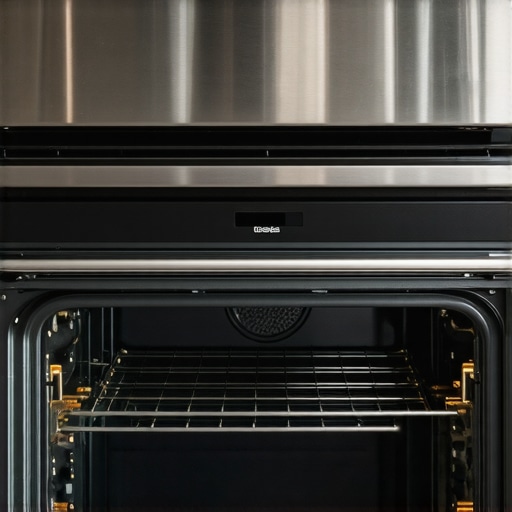
It was late on a Saturday afternoon when I realized my oven wouldn’t shut properly—and of course, I had a big family dinner planned that evening. Instead of relaxing, I was frantically searching for solutions, feeling that sinking frustration. That lightbulb moment hit me: this wasn’t just a minor inconvenience; it was risking my meal, my peace of mind, and my hard-earned money. If you’ve ever experienced that panic, you’re not alone. Many homeowners face the frustrating challenge of an oven door that refuses to close tightly, and it can be surprisingly common.
Why Does Your Oven Door Keep Slipping Open?
Imagine, for a moment, trying to bake a delicate soufflé or a batch of cookies with a door that’s half-heartedly hanging open. The heat escapes, your timer runs longer, and your baked goods turn out less than perfect. When your oven door won’t close securely, it’s often because of a simple misalignment or wear and tear that sneaks up over time. Often, it’s a problem you can fix without calling in a professional and hefty bill.
Many folks, myself included early in my DIY journey, make the rookie mistake of ignoring small signs—like a slightly loose hinge or a door that starts to wobble—and then wake up one day to a door that just won’t latch anymore. Sometimes, the issue lies with the hinges themselves, which can become loose or bent. Other times, if the gasket around the door is damaged or warped, it prevents a proper seal, letting heat escape and the door from closing tightly.
Understanding these common causes is the first step toward a solution. For instance, checking the hinges and ensuring they are aligned properly is a quick fix that can restore a secure closure. You can even perform a simple test by gently opening and closing the door to see if it feels loose or uneven.
If you’re wondering whether the problem is more serious—like a damaged door latch or internal components—you might want to explore more detailed troubleshooting. For example, a misaligned door might need a minor adjustment, while a warped gasket could require replacing. Just be aware: some problems stem from installation faults, such as improper alignment during initial setup, which could be a reason for recurring issues. In fact, I once overlooked a crucial installation detail, which led to my door not closing properly. You can read more about similar issues and the importance of proper installation here: [the installation fault that makes built-in microwaves overheat](https://discountappliancehub.com/the-installation-fault-that-makes-built-in-microwaves-overheat).
So, have you faced this pesky problem yourself? Well, stick around. We’re going to walk through practical, step-by-step solutions—so you can get that door closing tightly again without fuss or expense. Don’t worry—many fixes are easier than you think, and I’ll share my tips and tricks to get your oven back in perfect working order.
Assess the Hinges for Alignment and Wear
Start by opening the oven door and inspecting the hinges. If you notice any visible damage, such as cracks, bends, or corrosion, replace them immediately. In my experience, a quick test is to gently lift the door slightly while it’s closed; if it wobbles or feels loose, the hinges need adjustment or replacement. I once found my hinge pin slightly bent, which caused the door to slip. Replacing the hinge pin with a new one fixed the issue instantly and was cheaper than a professional repair.
Realign the Door Using the Bracket Method
For minor misalignments, the bracket trick works wonders. Loosen the mounting screws slightly, then gently shift the door to align with the oven frame. Tighten the screws securely afterward. I used this method on my oven, and it restored proper seating without buying new parts. Check out this guide for detailed steps and visuals. This approach is like tightening a loose screw on a picture frame—simple but effective.
Replace Damaged Door Gasket for a Perfect Seal
If the gasket around the door is warped or torn, heat escapes and prevents the door from sealing tightly. Remove the old gasket by pulling it out from the groove, then clean the area thoroughly. Install the new gasket ensuring it sits evenly. This step was my wake-up call—after replacing the gasket, my oven maintained consistent temperature during baking. Use quality replacement parts to prevent recurring issues, and remember, many warranties won’t cover damage caused by faulty gaskets if not replaced promptly.
Adjust the Door Latch for Proper Closure
If the latch mechanism is misaligned, the door won’t close fully. Look for the latch hook and pivot points, then loosen the mounting screws slightly. Shift the latch position until the door closes snugly without excessive force. Tighten the screws back and test the closure. I struggled with my oven’s latch until I realized it was slightly off-center; repositioning it fixed the problem overnight. Be cautious—over-adjustment may lead to the door hanging unevenly, which could cause further misalignment.
Check the Door Alignment During Routine Maintenance
Regularly inspecting and adjusting your oven door preserves its functionality. Think of it as tuning a musical instrument; small tweaks prevent major damage later. Keep an eye on hinges and gasket conditions, and perform the alignments periodically to avoid surprises, especially if your kitchen undergoes vibrations or slight shifts. For stubborn issues, consulting a professional or referencing detailed online guides can save time and prevent damage.
Many homeowners assume that scheduling same-day appliance repairs guarantees instant fixes and foolproof results, but that’s not always the case. While quick service might seem ideal, there are nuanced pitfalls and myths that can lead to disappointment or even costly mistakes if overlooked. For instance, some believe that all technicians provide the same level of expertise or that a swift appointment equates to quality work, but experienced pros know that rushing can compromise thorough diagnostics and long-term fixes. A common myth is that warranty coverage automatically extends to all repairs conducted within a certain timeframe—yet, many warranties have specific clauses about authorized repair centers or parts used, which insurers might scrutinize closely. To avoid being caught by these misconceptions, homeowners need to understand the fine print and the true scope of service commitments.
Why does rushing a repair sometimes backfire?
Fast service is attractive, but hurrying through diagnostics can lead you to overlook underlying issues. An appliance might seem fixed on the surface, but persistent problems could reemerge if the technician doesn’t thoroughly identify root causes. For example, a dishwasher might drain properly after initial repairs, but if the underlying cause, such as a faulty pump or incorrect installation, isn’t addressed, failure is inevitable. Experts recommend asking detailed questions about the diagnostic process and the parts replaced, ensuring the repair isn’t just a temporary patch but a comprehensive fix. According to a study published in the Journal of Consumer Satisfaction, transparency about repair procedures enhances trust and reduces repeat service calls, emphasizing that quality service surpasses speed alone.
What advanced mistake do most homeowners not realize?
Many overlook the importance of proper documentation and understanding warranty conditions, especially with manufacturer warranties tied to specific usage and maintenance protocols. For instance, some high-end appliances require certain water quality levels or periodic software updates to maintain coverage. Failure to follow these guidelines can void the warranty, leaving you unprotected against future failures. Additionally, misinterpreting warranty claims—such as assuming coverage for damage caused by improper installation—is a common trap. Homeowners often underestimate how detailed the warranty fine print can be, which might involve prerequisites like professional installation, routine maintenance, or use of authorized parts. Consulting reputable sources or expert advice can safeguard your investment, especially during complex installations or repairs. For in-depth insights, you might find it helpful to review how to verify your extended warranty after a home sale or installation.
Understanding these subtle nuances and myths can save you money and frustration. Remember, not all service promises are equal, and knowledge is your best defense against hidden costs and disappointments. Have you ever fallen into this trap? Let me know in the comments.
Why Investing in the Right Tools Pays Off in the Long Run
Being prepared with high-quality, purpose-specific tools is vital for maintaining your appliances effectively. I personally swear by a digital multimeter like the Fluke 117, which helps me quickly diagnose electrical issues in refrigerators or dishwashers. It’s precise, durable, and easy to use, making it a staple in my toolkit. Additionally, a magnetic screw guide can save you hours when reinstalling components, preventing misplaced screws and potential damage. For more complex repairs, I rely on a detailed repair manual—either printed or digital—that contains step-by-step instructions tailored to your specific appliance model.
Optimizing Software for Appliance Troubleshooting
Modern appliances often come with embedded diagnostic modes. I recommend investing in manufacturer-specific diagnostic software compatible with your devices. For example, some smart fridges can be connected to apps that provide error codes and firmware updates, extending their lifespan and functionality. Regular firmware updates, as suggested in manufacturer guides, fix bugs and improve performance, making your appliance more reliable over time. Familiarizing yourself with these tools ensures you can troubleshoot minor issues before they escalate.
Staying Ahead with Routine Maintenance
Creating a maintenance schedule is essential. For instance, cleaning the condenser coils on your refrigerator every six months prevents overheating and mechanical failure. Similarly, inspecting door seals and hinges regularly can catch wear early, saving you from costly replacements. As an example, regularly checking your dishwasher’s spray arms and filters reduces clogging and improves cleaning efficiency, which is crucial for longevity. Incorporate these routines into your calendar or reminders to keep your appliances functioning optimally.
Where do I start with ongoing appliance care?
If you’re wondering how to keep your appliances in top shape over time, focus on preventative measures—like cleaning, inspections, and updating software. Use reliable tools such as a quality digital multimeter and manufacturer-specific diagnostics to identify issues early. Remember, small habits like confirming proper installation and annual gasket checks can prevent long-term failures. To ensure your warranties remain valid and your appliances stay efficient, consult detailed guides regularly, and don’t hesitate to call professionals if troubleshooting exceeds your comfort zone. And for homeowners aiming to extend their appliance lifespan, a good rule of thumb is to follow manufacturer instructions diligently—sometimes, a simple software update or a minor part replacement can add significant years to your appliance’s life. For example, understanding the impact of water hardness on appliance warranties is crucial; using the correct water softener setting can prevent mineral buildup and warranty voids, as outlined in expert advice on appliance care.
Now, I encourage you to try out a new diagnostic tool or routine maintenance step this month—like calibrating your oven temperature with a reliable thermometer or inspecting your dishwasher’s spray arms—and see the difference it makes. Staying proactive not only extends your appliances’ lifespan but also saves you money and stress down the line.
Lessons That Changed My Approach to Appliance Fixes
- Never ignore small signs of wear—sometimes, they’re your first warning of a major issue. I learned this the hard way when a loose hinge escalated into a door that wouldn’t close at all.
- Being patient during adjustments pays off. Rushing an alignment can cause more misalignment, so take your time and double-check your work.
- Invest in quality replacement parts, especially for hinges and gaskets. Cheap parts might seem tempting, but they often lead to repeated repairs and frustration.
- Understanding your appliance’s design gave me confidence. I read the manual and watched online tutorials, which made repairs smoother and more predictable.
- Don’t underestimate the power of routine inspections; regular maintenance can prevent unexpected breakdowns and extend your appliance’s lifespan.
Tools and Resources I Trust for Appliance Troubleshooting
- Digital Multimeter: I use a Fluke 117 to diagnose electrical issues quickly and accurately. It’s reliable, durable, and essential for any serious DIYer.
- Replacement Part Websites: Parts Alert offers high-quality hinges and gaskets, ensuring my repairs last longer and fit perfectly.
- Online Repair Guides: Appliance Repair Institute provides detailed step-by-step tutorials that demystify complex processes, saving me time and effort.
- Manufacturer’s Manuals: Nothing beats the original manual for specifics on alignment, part numbers, and safety precautions. I always keep digital copies handy for quick reference.
Take Action to Bring Your Appliances Back to Life
Remember, the key to long-lasting appliance performance is proactive maintenance and a willingness to learn. Your oven door, like any part of your home, benefits from regular check-ups and minor tweaks rather than waiting for a complete failure. Embrace the DIY spirit—armed with the right tools, knowledge, and patience—you can tackle many issues yourself and save money while gaining confidence. Think of every repair as a step toward mastering your household’s wellbeing. Are you ready to give your appliances the care they deserve and start fixing issues before they become costly disasters? Share your experiences or questions below—let’s learn together!