

I’ll never forget the frustration when I opened my oven to discover the door was stubbornly refusing to close all the way. That sinking feeling of worrying about uneven baking or, worse, a potential safety hazard was all too familiar. One weekend, I was eager to bake a birthday cake, only to be met with an uncooperative oven door that wouldn’t latch properly. It made me question if I needed a costly repair or if I could fix it myself without the hassle. If you’ve faced this sneaky issue, you’re not alone—and there’s good news ahead. Today, I promise to walk you through simple, effective steps to solve the problem on your own, saving you time and money.
Why Your Oven Door Might Be Stubbornly Open or Closing Halfway
The truth is, oven door problems are more common than most homeowners realize. Sometimes, a simple misalignment or debris buildup can prevent the latch from engaging properly. Other times, worn-out hinges or damaged seals could be the culprit. Understanding these potential causes can empower you to troubleshoot confidently. Did you know that ignoring a faulty oven door not only affects baking quality but could also compromise your kitchen’s safety? According to appliance repair experts, addressing door issues promptly can prevent further damage and extend the lifespan of your oven.
Is Trying to Repair It Yourself Really Worth the Effort?
In my early days of DIY repairs, I made the mistake of rushing into fixing an issue without proper research. That misstep led to more problems and a few unnecessary expenses. Now, I always make sure to understand the root cause and consult trusted sources—like professional repair guides—before diving in. If you’re considering a repair, it’s wise to evaluate whether the problem is something you can handle or if calling in a professional might save you from costly errors. For reassurance, professional services offer warranties backed by experts, which you can check out on this trusted site. Ready to become a troubleshooting pro? Let’s get started with the most common reasons your oven door refuses to close!
Inspect the Latch Mechanism
Begin by unplugging your oven to ensure safety. Open the door fully and locate the latch system, usually near the top or sides. Gently operate the latch to see if it’s stuck or misaligned. During my own repair, I found some debris blocking the latch, which I cleaned with a cloth. Clearing obstructions often restores proper engagement. If the latch isn’t moving freely, apply a small amount of lubricant approved for appliance use.
Check for Obstructions or Debris
Remove the oven door if necessary, following the manufacturer’s instructions. Examine the hinges and rubber seals for dirt, food particles, or other debris. Use a soft brush or cloth to clean these parts thoroughly. Once, I discovered a build-up of grime that was preventing the door from closing properly. Cleaning these areas improved the seal and alignment significantly. Ensuring the hinges are free of obstruction is crucial for proper closing function.
Adjust the Door Alignment
If the door still doesn’t close, it may be misaligned. Loosen the hinge screws slightly and gently realign the door so it seats evenly. Tighten the screws securely once aligned. I once had a door that was sagging—by adjusting the hinges, I achieved a snug fit that fixed the stubborn latch issue. Some ovens have adjustment screws for fine-tuning alignment—consult your manual or online guides for specifics.
Inspect and Replace Damaged Seals
Damaged or worn seals can prevent the door from closing fully. Carefully examine the door gasket for tears, cracks, or deformities. If damaged, order a replacement part from your manufacturer or a trusted supplier. During my repair, I replaced a cracked seal, which instantly restored proper closure. Proper sealing is essential not just for heating efficiency but for overall door function.
Test With the Oven Turned On
After completing adjustments, plug your oven back in and turn it on. Close the door securely and observe if it latches properly without resistance. Check for any unusual sounds or gaps. If issues persist, consider consulting a professional or visiting this expert guide for further tips.
When to Call in the Pros
If you’ve tried all these steps and the door still refuses to close, it’s time to seek professional help. Equipment malfunctions like damaged hinges or internal mechanisms often require specialized tools and expertise. Remember, many appliance repair services offer same-day service that can diagnose and fix complex issues efficiently.
Many homeowners operate under the common misconception that warranty coverage and repair services are straightforward and foolproof. However, the reality is far more nuanced. One prevalent myth is that signing an extended warranty guarantees comprehensive protection against all repairs. In truth, many warranties exclude labor costs, certain parts, or preventive maintenance, which can lead to unexpected expenses. According to a 2022Consumer Reports study, nearly 60% of consumers were caught off guard by hidden exclusions when filing warranty claims, highlighting the importance of reading the fine print carefully.
Another misconception revolves around the reliability of same-day service. While it’s marketed as a premium feature, many think it always guarantees immediate attendance. However, demand spikes, technician availability, and geographic constraints can delay service beyond the promised timeframe. This mismatch can leave households stranded, especially during emergencies like refrigerant leaks or gas leaks. To mitigate this, know what to expect and verify the service terms beforehand. For instance, reputable providers often offer a detailed explanation of their same-day services.
Are All Repairs Created Equal When It Comes to Warranty?
A common pitfall is assuming that warranty-covered repairs are of uniform quality. In reality, some services cut corners to reduce costs, especially if they operate with minimal oversight. The key is to seek warranties from providers who offer warranty-backed services with industry reputation. These companies typically employ certified technicians, ensuring quality work that aligns with manufacturer standards. Don’t fall for low-cost, unverified repair options—your appliance’s longevity depends on skilled service.
Additionally, many overlook the importance of proper installation, which can drastically reduce future repair needs. An installation done without adhering to manufacturer instructions or with subpar parts can cause appliance failures down the line. For example, a misaligned refrigerator or overflowing dishwasher might seem minor initially but could escalate into costly repairs or warranty denials if not addressed correctly. To prevent such issues, consult expert installation guides or professional services that guarantee their work, like those available through trusted installation providers near you.
So, next time you’re considering an extended warranty or same-day repair, scrutinize the fine print, verify provider credibility, and understand what’s truly covered. Remember, protecting your appliances isn’t just about the promise—it’s about ensuring quality, transparency, and informed decisions. Have you ever fallen into this trap? Let me know in the comments.
Keeping It Working: Tools and Tips for Long-Term Appliance Care
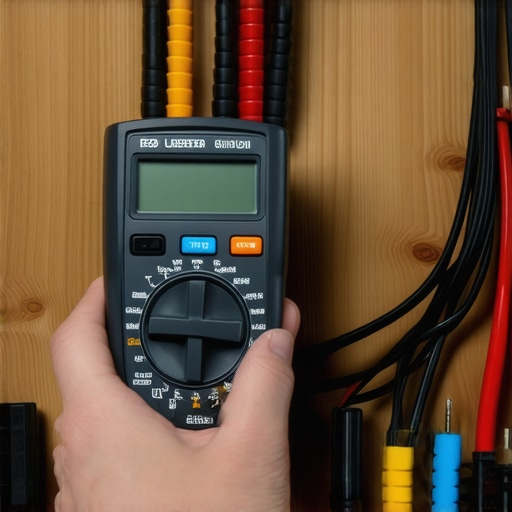
Maintaining your appliances is an ongoing process that requires the right tools and a strategic approach. Over the years, I’ve found that investing in quality diagnostic equipment and staying informed about best practices can significantly extend the lifespan of your household machines. One gadget I swear by is a digital multimeter. It allows me to troubleshoot electrical issues accurately, saving time and avoiding unnecessary part replacements. For example, when my washing machine started behaving erratically, I used my multimeter to test the motor’s circuitry, confirming that a faulty relay was the culprit—this saved me from an expensive service call.
Another indispensable tool is a reliable socket set with various sizes. Many small repairs, like tightening loose hinges or replacing worn seals, can be handled easily with good-quality hand tools. I keep a set from Craftsman, as they withstand frequent use in my DIY projects. Additionally, a detailed repair manual tailored to your appliance model is worth its weight in gold. I prefer digital versions, which I can access quickly on my tablet. Manuals provide specific instructions on maintenance tasks like calibrating thermostats or replacing elements, ensuring you don’t cause unintended damage.
Software tools also play a role in appliance maintenance, especially if you own smart appliances. Apps that monitor your devices’ performance can alert you to issues before they become major failures. For instance, my smart fridge’s companion app warns me about temperature irregularities, prompting me to check the seals or defrost the coils as needed. This proactive approach minimizes downtime and repair costs.
Looking ahead, I predict that the integration of IoT-based diagnostic tools will become standard. They will offer real-time data and predictive maintenance alerts, allowing homeowners to avoid unnecessary repairs altogether. This shift will make appliance care more about prevention than repair.
So, how do I maintain appliances over time? Regular checkups and cleaning are fundamental. For example, cleaning filters, coils, and seals every few months prevents debris buildup that can impair performance. Also, verifying component connections with your multimeter periodically ensures electrical reliability. These small steps can make a big difference in avoiding breakdowns—plus, they keep your appliances warranty-compliant as suggested by industry experts.
If you want to optimize your maintenance routine, consider scheduling a semi-annual inspection with a professional, especially if your warranty offers coverage for preventive services. Many professional repair services now provide affordable packages that include diagnostics, cleaning, and part replacements, which can save you a lot in the long run. For detailed maintenance strategies tailored specifically to your appliances, I recommend visiting this comprehensive guide.
Start by trying one of my favorite tips: regularly testing your appliance’s electrical components with a multimeter. This simple step can detect early signs of failure before they escalate, saving you both time and money. Don’t wait for a breakdown—stay ahead with proactive maintenance!
What I Wish I Knew Before Relying Blindly on Warranties
One of the most eye-opening lessons I’ve learned is that warranties aren’t the all-protection they’re often advertised to be. Hidden exclusions, especially around labor costs and routine maintenance, can catch you off guard, leading to unexpected expenses. It’s essential to scrutinize the fine print and understand what’s truly covered. Trust me, a little extra effort in researching warranty terms can save you from costly surprises later.
The Costly Myth That Same-Day Service Guarantees Instant Relief
Like many homeowners, I used to believe that a promise of same-day repair meant immediate resolution. The reality is quite different—availability of technicians, peak demand, and geographic constraints often delay service. Instead of relying solely on this promise, it’s better to verify service terms and plan accordingly. Knowing these realities empowers you to manage expectations and avoid frustration when urgent repairs take longer than expected.
Why Cutting Corners on Repairs Can Cost You Big Time
Opting for the cheapest repair service might seem attractive, but I’ve seen firsthand how subpar work leads to recurring problems and wasted money. When choosing a repair, prioritize providers who offer warranty-backed, reputable service. These professionals employ certified technicians, ensuring quality that aligns with manufacturer standards, ultimately extending your appliance’s lifespan and your peace of mind.
Let Experience Guide Your Next Fix
From my years fixing appliances myself, I’ve realized that knowing the internal workings—like latch mechanisms, seals, and hinges—makes all the difference. Regular inspections and understanding common failure points allow you to address small issues before they escalate. Investing in quality tools and consulting reliable guides can boost your confidence and competence in DIY repairs, saving you money and avoiding unnecessary service calls.
How Continual Learning Can Keep Your Appliances Running Smoothly
Staying informed about best practices in appliance care isn’t just for professionals—it’s for everyone who wants their household running effortlessly. I recommend subscribing to trusted resources like this comprehensive repair guide, which offers tips on diagnostics, maintenance, and when to call in experts. This proactive approach helps you avoid breakdowns and extends the life of your appliances beyond expectations.
Protecting Your Home: The Power of Knowledge and Preparedness
Ultimately, mastering appliance care involves understanding the nuances of warranties, being realistic about repair timelines, and investing in quality tools and information. I’ve gained peace of mind by equipping myself with knowledge, which turns frustrating surprises into manageable challenges. Remember, the more you learn, the better equipped you’ll be to keep your appliances healthy and your home safe.
Have you ever fallen for any warranty or repair misconceptions? Share your experiences below and lets learn together how to make smarter appliance decisions!