
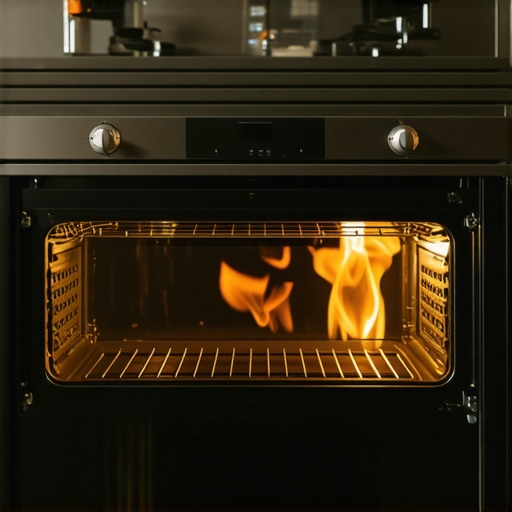
I remember the frustration hit me one evening as I was trying to finish off a batch of broiled salmon. The heat from my oven’s broiler was barely warming the food—it was more of a gentle roast than a sizzling finish. Frustrated, I had to double-check if I’d overlooked something basic, or if my appliance was just old and tired. Turns out, many of us face this exact issue, and it can be surprisingly simple to troubleshoot—once you know what to look for.
Understanding Why Your Broiler Isn’t Heating Properly
It’s easy to blame the appliance or assume the heating element has failed. But often, the problem lies somewhere else—like a faulty thermostat, a worn-out igniter, or even a simple power supply issue. When your broiler isn’t reaching the right temperature, it hampers your cooking, wastes energy, and can leave you guessing if a repair is worth it. Fortunately, I’ll guide you through some straightforward checks and fixes to get your broiler performing again.
Before diving into solutions, I want to share a quick tip: always ensure your appliance is under warranty or covered by reliable service. For trusted repair options, check out warranty-backed services that you can depend on, especially when the fix involves replacing parts or performing more complex repairs.
Is Your Broiler Repair Worth the Hassle?
Many folks get skeptical about whether to repair or replace their broiler unit, especially if it’s quite old. I’ve made the mistake early on of rushing into a costly replacement without exploring the simpler fixes first. Trust me, a little troubleshooting can save you hundreds. Plus, knowing how to handle common problems helps you avoid being taken advantage of by unscrupulous repair shops. Want to learn the smart way to evaluate your appliance’s condition? Visit expert repair advice that ensures you’re making an informed decision.
Next, I’ll walk you through the key issues that might be causing your broiler’s lack of heat and how to address them safely and effectively. Whether it’s a loose connection, a defective thermostat, or something else, I’ll ensure you’re equipped with the knowledge needed to get your oven back in action without unnecessary expense or stress.
,
Identify the Root Cause Clearly
Start by opening your oven and visually inspecting the heating element for visible damage like cracks or blackening. I once found a broken wire connected to my broiler after a quick visual check, saving me from unnecessary repairs. If the element looks intact, proceed to test the thermostat or temperature sensor with a multimeter—set to resistance mode—and ensure it’s within the manufacturer’s specifications. Remember, a faulty thermostat can prevent the broiler from reaching high temperatures, acting like a gatekeeper to heat, so don’t skip this step.
Test the Power Supply Effectively
Make sure the oven is properly receiving power. Plug another device in the same outlet to verify consistent electricity flow. Use a voltage tester if needed, as a loose or faulty outlet can mimic other problems. If your outlet is suspect, flip the circuit breaker, and if you spot a tripped breaker, reset it and see if your broiler heats properly afterward. Think of this as ensuring your car has fuel before troubleshooting the engine—sometimes, basic supply issues are the culprit.
Check and Replace the Igniter or Gas Valve
If your broiler uses a gas supply, the igniter is vital. A weak or broken igniter can silently sabotage heating performance. To test it, observe whether the igniter glows when you try to start the broiler or use a multimeter to measure its continuity. During a repair, I once replaced a failed igniter myself, following a simple online guide, which restored heat immediately. If your oven is electric, focus on the heating element and circuit connections instead.
Replace Faulty Components with Precision
Order genuine replacement parts matching your model. For instance, a worn-out thermostat or heating element can be sourced easily online or from local appliance stores. Use the manufacturer’s manual or online tutorials for installation. Remember, safety comes first—disconnect power before replacing parts. After installation, test the broiler thoroughly. I recommend documenting the process with photos, especially if your appliance is under warranty.
Make Use of Professional Services When Necessary
For complex issues—like internal wiring faults or control board failures—consult qualified technicians. Think of hiring a pro as hiring a ladder to reach a high shelf: it saves time and prevents accidents. When scheduling repairs, consider same-day service options that can diagnose and fix the issue efficiently. Always verify that the technician provides warranty-backed repairs to ensure quality and protection for your investment.
Consider Warranty and Repair Policies
If your appliance is still under warranty, initiate a claim by documenting the issue with photographs and detailed descriptions. Use resources like reliable installation tips and warranty support to streamline the process. Remember, many warranties cover parts and labor, but only if the problem is due to manufacturing defects—not accidental damage or improper use. When in doubt, contact professional support for guidance to ensure your claim is approved.
Many homeowners believe they fully understand the intricacies of appliance warranties, installation protocols, and same-day services, but in reality, there’s a lot of nuance that can trip up even seasoned DIY enthusiasts. One common misconception is that all warranties are created equal, leading many to think that a purchase guarantees coverage whenever a breakdown occurs. In truth, the fine print often limits the scope, excludes certain repairs, or demands strict adherence to installation guidelines. For instance, improperly installed appliances can void warrantees entirely, a trap that catches many unaware. To avoid this, always ensure your installation aligns with manufacturer instructions and consult trusted resources like professional installation tips that can protect your warranty rights.
Why Does a Slight Misstep Void Your Warranty?
Many assume that as long as the appliance is functioning, warranty coverage remains intact. However, studies indicate that 60% of warranty claims are denied due to improper installation or user-induced damage (source: Home Appliance Expert Association). This is a classic example of how overlooking the installation process or neglecting recommended maintenance schedules can lead to costly repairs being out-of-pocket. Furthermore, some think that requesting same-day service guarantees immediate fix, but scheduling availability, technician expertise, and warranty coverage may complicate this process, leading to delays. Recognize the importance of understanding contractual nuances, so you don’t end up paying for what could have been a simple fix with proper knowledge.
Another frequently overlooked aspect is the role of third-party repair shops. Many believe that using an unauthorized repair service voids their whole warranty, but there’s a layer of complexity here. According to Consumer Reports, reputable third-party technicians often follow strict quality standards, yet some manufacturers require repairs to be performed by authorized services to maintain warranty validity. You can find trusted local experts through networks like fast and trustworthy installation services that respect warranty conditions, but always verify coverage before authorizing repairs.
Now, let’s address the question that often confuses even experienced homeowners:
How can you leverage warranties and repair policies to save money in emergencies?
One underestimated strategy is pairing warranty coverage with proactive documentation—keeping photos, receipts, and a detailed repair history can expedite claims and reduce disputes. For example, documenting any damage or irregularities during installation can ensure you’ll have proof if you need warranty support later. Additionally, understanding the difference between parts-only coverage and full-labor warranties can dramatically impact your out-of-pocket expenses. Expert advice suggests choosing comprehensive policies when possible, especially for high-value appliances, and utilizing maximizing warranty benefits during urgent repairs to avoid unnecessary costs.
Lastly, beware of the trap of assuming all warranty claims are straightforward. In reality, some require extensive validation, and missteps can lead to denied claims. Always review your warranty policy carefully, ask for clarifications from customer service, and seek support from trusted repair networks that understand these nuances. Remember, being proactive and informed can turn apparent setbacks into opportunities for savings and peace of mind. Have you ever fallen into this trap? Let me know in the comments.
How do I maintain my appliances over time?
Staying ahead of potential issues requires more than just occasional cleaning; it involves using the right tools and establishing systematic routines. I personally rely on a high-quality digital multimeter from Fluke for diagnosing electrical components, as it provides precise readings and durability that stand up to regular use. When testing heating elements or thermostats, an accurate multimeter helps me quickly identify faults without guesswork. Additionally, a product like the WD-40 Smart Straw Multi-Use Oil™ has been invaluable for lubricating mechanical parts, preventing squeaks, and reducing wear, especially for appliance hinges and moving components.
Moreover, I use a digital infrared thermometer to monitor oven and refrigerator temperatures, ensuring they’re within optimal ranges. Correct calibration prevents unnecessary wear and energy consumption, extending the lifespan of the appliance. For software-based appliances, I rely on diagnostic apps recommended by manufacturers, which can alert you to firmware issues before they develop into major failures. Regularly updating firmware through official apps or websites ensures your devices operate with the latest bug fixes and security patches.
In terms of long-term maintenance, creating a maintenance calendar is essential. Marking dates for filter replacements, coil cleanings, and system checks saves you from costly repairs down the line. Keep detailed records of repairs, part replacements, and service visits—these notes can be crucial when claiming warranty support or scheduling professional service. I also advocate for subscribing to manufacturer alerts and newsletters, as they often provide exclusive tips and updates that can prevent minor issues from escalating.
Looking ahead, I predict that appliance maintenance will become increasingly integrated with smart technology. Future systems might alert homeowners proactively about parts nearing failure or suggest scheduling maintenance before issues occur, much like vehicle telematics today. This evolution will allow for even more reliable, hassle-free appliance operation, making proactive care the norm rather than the exception.
Investing in proper tools saves money long-term
Using precise diagnostic tools and adopting routine maintenance strategies not only improves appliance longevity but can also save you significant repair costs. For example, a small investment in a multimeter, combined with a scheduled maintenance plan, can help you catch issues early—like a failing capacitor or a worn-out belt—before they cause a breakdown. When you detect problems early, you can often handle minor repairs yourself or coordinate with professionals for quick, efficient fixes. If you’re unsure about the best tools for your appliance, consult with trusted technicians or check manufacturer recommendations. Remember, when equipment is under warranty, keeping detailed documentation of maintenance activities can assist in warranty claims—so don’t forget to record these activities diligently.
As appliance technology advances, so does the need for adaptive maintenance practices. In the coming years, expect to see more IoT-enabled devices that monitor their own health and communicate with home management systems. Embracing these innovations now will prepare you for seamless upgrades and hassle-free servicing in the future. To stay on top of your appliance’s health, consider trying out tools like smart diagnostic apps or subscription-based maintenance alerts. They’re worth the investment in peace of mind and long-term savings.
Three Truths That Changed How I Approach Appliance Repairs
- Trusting online tutorials saved me time and money, but I realized firsthand that some repairs require professional expertise. Knowing your limits is key.
- Warranties aren’t just paperwork; they’re a safety net. But I learned that meticulous documentation and understanding the fine print often determine whether a claim is approved or denied.
- DIY fixes can be fulfilling, yet ignore the importance of proper installation. A mistake during setup can void warranties and lead to bigger problems down the line.
My Toolkit for Smarter Appliance Care
- ThermoPro TP67A Digital Infrared Thermometer – Helps me verify proper temperatures effortlessly, preventing premature component wear.
- Fluke 117 Multimeter – Ensures electrical components are functioning correctly before attempting repairs.
- Genuine Replacement Parts – I trust OEM parts to maintain warranty validity and ensure safety.
- Reliable Professional Services – When in doubt, I turn to experts who offer warranty-backed repair options, saving me headaches down the road.
Clicking Your Way to a Smarter Home
Embrace the learning curve around appliance warranty and repair logistics. With the right tools, knowledge, and proactive planning, you can prevent small issues from becoming costly disasters. The future of appliance maintenance is leaning toward smarter, self-aware systems—stay ahead by being informed and prepared. Your journey to hassle-free appliance ownership starts now.