
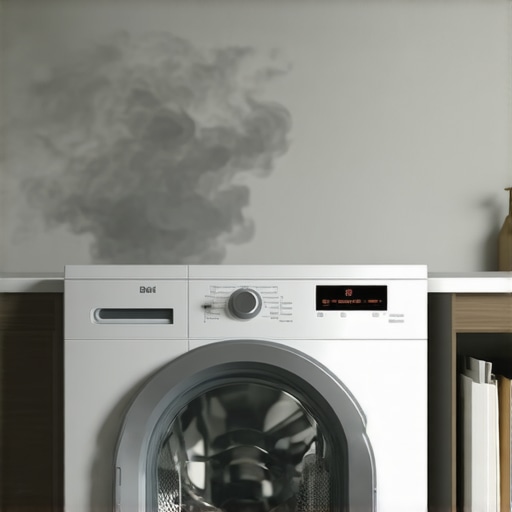
I remember the first time I set up my brand-new washer, eager to finally enjoy fresh laundry without waiting for a repair appointment. But then, out of nowhere, a strange smell hit me—like burning rubber. My heart sank. Was I doing something wrong? Was my shiny new appliance already failing? That uncomfortable, warning smell is more common than you might think, and it can be downright alarming, especially when it happens so early in the washer’s life.
How a Simple Installation Mistake Turned My Day Upside Down
It was a rainy Saturday when I decided to install my new washer myself. Confident and eager, I watched countless tutorials online, thinking I could handle it. But I overlooked a critical step—removing the shipping bolts. Little did I know, this small forgetfulness could cause serious issues, like the burnt rubber smell I was experiencing. That mistake cost me time, money, and an uneasy feeling that my new investment was already compromised. It made me realize how vital proper installation is, especially for appliances I depend on daily.
Studies show that improper setup or neglecting manufacturer installation instructions can lead to smell problems, electrical issues, or even damage to your appliance. According to the Consumer Product Safety Commission, incorrect installation accounts for a significant percentage of appliance malfunctions within the first year of purchase. It’s a reminder that even seemingly minor oversights can have big consequences.
What We Will Fix Today
Now, if you’re wondering why your new washer smells like burnt rubber—and more importantly, how to fix it—you’re in the right place. I’ll walk you through the common causes, what mistakes to avoid, and how to ensure your washer runs smoothly without unpleasant surprises. Getting this right not only saves you from unnecessary repairs but also helps maintain your appliance’s warranty and lifespan. So, let’s dive into the practical steps to eliminate that disconcerting smell and reclaim your laundry room peace.
Is It Worth Worrying Over Burnt Rubber Smell?
Many skeptics might think, “It’s just a smell, it’ll go away, right?” Trust me, ignoring it can lead to bigger problems down the line. Early identification of issues can prevent costly repairs and ensure your appliance remains reliable. Personally, I learned the hard way that what seems like a minor inconvenience could be a sign of a deeper problem—like a motor overheating or a belt slipping—issues that warrant immediate attention.
If you’re facing this issue, don’t hesitate to consult professionals or check your installation and maintenance routines. For reliable, quick solutions, consider scheduling your appointment with trusted experts. They can often handle installation errors, perform necessary repairs, and give your machine a proper check-up—sometimes even the same day. To learn more about how to keep your appliances in top shape, visit our expert guide for a comprehensive overview.
Let’s get to the core of this problem and make sure your washer runs clean, quiet, and smell-free for years to come.
Double-Check Your Setup Before Powering On
My first real mistake was rushing the installation without removing the shipping bolts. To avoid burning rubber smells, always review the manufacturer’s instructions carefully, especially regarding shipping hardware. When I installed my washer, I took a photo of the setup, then followed the step-by-step guide on the manufacturer’s site. This preemptive step ensured I didn’t forget anything critical, like grounding or leveling, which can cause motor overheating and odors. Remember, proper grounding is vital; a loose or incorrect connection can lead to electrical issues that produce odd smells or even safety hazards. For detailed installation procedures, visit this guide to maximize safety and performance.While many believe that warranties and same-day repair services are straightforward solutions, the reality is more nuanced. One prevalent misconception is that all warranties automatically cover urgent repairs, but in truth, many warranty plans have exclusions or require specific conditions to be met, such as using authorized repair technicians or original parts. Rushing to schedule a repair without understanding these fine print details can lead to unexpected expenses or voided warranties. For example, some homeowners assume that hiring any technician will preserve their warranty coverage, but selecting non-certified repair services can void the manufacturer’s warranty, leaving you unprotected for future issues.
Another common trap involves installation. Many think that a quick DIY setup is sufficient, yet improper installation can undermine warranty claims and cause appliance malfunctions. For instance, failing to properly level or connect your refrigerator could lead to cooling problems or damages, which would not be covered by warranty if deemed user error. Advanced mistakes like incorrect grounding or neglecting manufacturer instructions might seem minor at first but can result in costly repairs later.
A crucial but overlooked detail pertains to same-day service. Consumers often assume that booking urgent repairs guarantees immediate assistance; however, many companies prioritize based on the severity of the problem or parts availability. Knowing how to identify reputable, reliable providers with transparent scheduling policies can save you time and frustration. Visit our top tips for same-day service to ensure you’re prepared.
Let’s also challenge the myth that warranties are a one-size-fits-all. Different brands and plans have nuanced differences in coverage, so always read your warranty’s fine print or consult experts to avoid nasty surprises. For a comprehensive understanding, explore our expert guide to appliance repair and installation.
In summary, understanding these nuances isn’t just academic—it saves you money, prevents headaches, and keeps your appliances running smoothly. Have you ever fallen into this trap? Let me know in the comments.
When it comes to maintaining your household appliances, having the right tools and routines can make all the difference in ensuring long-term performance and avoiding unexpected breakdowns. Personally, I rely on a handful of specialized equipment that allows me to perform both routine checks and minor repairs quickly and effectively, saving time and money in the long run.
Invest in Quality Maintenance Tools
First and foremost, a high-quality digital multimeter is essential. I use mine to test electrical connections and ensure grounding is correct, preventing issues like strange smells or appliance failure. For example, a reliable multimeter can help you verify if your appliance is receiving proper voltage, which is crucial for safe operation. Additionally, a digital thermometer helps monitor component temperatures during troubleshooting, ensuring your devices aren’t overheating, which can lead to odors or damaged parts.
Another indispensable item is a set of precision screwdrivers tailored for appliances. Using the correct screwdriver type prevents damage to fasteners, especially when removing panels or inspecting internal components. I prefer magnetic screwdrivers for efficiency, so I don’t lose tiny screws during disassembly. For stubborn parts, a flexible pick set helps access tight spots without risking damage.
Software and Diagnostic Tools
Beyond physical tools, I recommend installing manufacturer-specific diagnostic apps when possible. These applications can provide error codes and troubleshooting guides tailored to your appliance model, significantly reducing guesswork. For instance, many modern refrigerators, washing machines, and ovens now offer Bluetooth or Wi-Fi connectivity, allowing you to run diagnostics remotely and schedule maintenance proactively.
Regularly updating your device firmware, when available, can also improve performance and patch known issues. Manufacturers often release updates that enhance efficiency or fix bugs, which can help prevent problems before they manifest as odors or operational failures.
Implement Routine Maintenance Practices
Consistent cleaning is vital—think of it as regular tune-ups for your appliances. For example, cleaning lint filters, drying vents, and condenser coils not only extends the lifespan of your dryer and refrigerator but also maintains optimal operation, reducing the risk of odors caused by dust buildup. A simple but often overlooked practice is checking and replacing door seals, which ensures energy efficiency and prevents moisture buildup—another common source of foul smells.
Scheduling regular professional inspections is equally important. I recommend having an expert evaluate critical components annually, such as compressor health or control boards, especially for high-use appliances. This proactive approach can catch issues early, avoiding costly repairs or replacements down the line.
Predicting Future Trends in Appliance Maintenance
The trend toward smart home integration suggests that future maintenance tools will become even more sophisticated. AI-driven diagnostics and IoT-connected appliances could notify owners of issues before they become problematic, directly linking to your smartphone. Staying ahead by investing in compatible tools now can save you from more extensive repairs later. For advanced tips, consider exploring resources like our expert guide to appliance repair and installation.
How do I keep my appliances working reliably over time?
Always prioritize regular inspections, embrace diagnostic technology, and use quality maintenance tools. For example, a multimeter paired with manufacturer app diagnostics empowers you to perform quick troubleshooting and ensure safety. Also, maintaining a detailed maintenance schedule—much like a car’s service log—helps track what’s been done and what needs attention. If you notice persistent odors or performance drops, don’t hesitate to consult professionals; trusted technicians can conduct same-day repairs, often with warranty-backed services that keep your investment protected. To locate reliable service providers in your area, visit our trusted installation and repair services.
Remember, being proactive with your tools and routines not only extends your appliances’ lifespan but also ensures they operate safely and efficiently for years to come. Take the time today to review and upgrade your maintenance practices—you’ll thank yourself later.

Having journeyed through my own experiences with appliance installation and maintenance, I’ve uncovered insights that go beyond basic troubleshooting. These lessons are often overlooked but can save you significant time and money, especially when it comes to warranties and emergency repairs.
What I Wish I Knew About Warranty and Emergency Repairs
- Not all warranties cover improper installation: I once assumed that my warranty was foolproof, only to find out that neglecting manufacturer setup instructions voided it. Always read the fine print and verify that your installation aligns with their guidelines to ensure protection.
- Quick fixes aren’t permanent solutions: Rushing to repair a burnt rubber smell without identifying the root cause can lead to recurring issues. Regular inspections and using reputable repair services help maintain appliance longevity.
- Scheduling same-day services requires preparation: Knowing the right contact info and understanding how providers prioritize issues can make a huge difference when you need urgent repairs. Check out resources like our top tips for same-day service for guidance.
- Proper installation safeguards your investment: Missing steps such as removing shipping bolts or grounding correctly can cause odors or damage. Using manufacturer-approved tools and consulting expert installation services—like those detailed here—are worth the effort.
- Know the nuances of warranty claims: Misunderstanding what repairs are covered can lead to unnecessary expenses. Keep detailed records, photos, and receipts to support your claims and verify coverage.
Gear Up for Peace of Mind with the Right Resources
- Reliable tools make all the difference: A high-quality multimeter and appliance-specific diagnostic apps empower you to troubleshoot effectively. Check out our comprehensive guide for detailed recommendations.
- Maintain your appliances proactively: Regular cleaning, inspections, and professional tune-ups prevent odors and breakdowns. Consider investing in a maintenance schedule tailored to your appliances’ needs.
- Stay informed about technological upgrades: Smart diagnostics and IoT integration are the future, offering early warnings and remote troubleshooting. Staying ahead ensures your appliances perform optimally for years to come.
- Build relationships with trusted repair services: Well-established local experts can provide same-day assistance backed by warranties. Use our trusted service directory to find professionals near you.
Your Next Step: Take Control and Act Now
Empowering yourself with knowledge and the right tools transforms appliance care from a chore into a confident routine. Don’t let overlooked details or misconceptions cause expenses or stress. Start by reviewing your installation steps, understanding your warranty coverage, or scheduling that professional check-up today. Your appliances—and your peace of mind—will thank you.
What’s the biggest appliance mistake you’ve learned from? Share below, and let’s help each other keep our appliances running smoothly!