
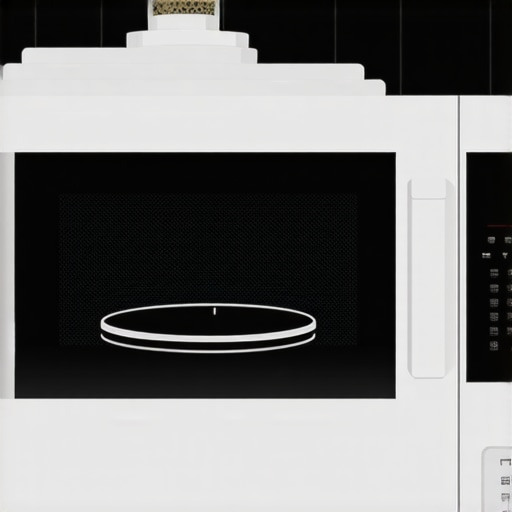
Ever had that frustrating moment where you’re zapping your leftovers, and suddenly the turntable decides to rebel—jerking erratically instead of spinning smoothly? I remember the first time it happened to me. I was in the middle of reheating my lunch, expecting that gentle whirr, when instead, I heard a loud jolt and saw the plate lurch forward unexpectedly. Talk about a microwave malfunction that catches you off guard! That lightbulb moment made me realize how many of us overlook what seems like a minor appliance glitch, but it often signals underlying issues worth fixing.
Why Your Microwave Turntable Might Be Jerking Instead of Spinning
Understanding the reasons behind this jerking behavior can save you both time and money. It’s not just a quirky quirk; it could be a sign that your appliance needs some attention. From worn-out motor couplings to misaligned rollers, there are several common culprits. And believe me, many of these issues are simple fixes—if you know what to look for. Plus, taking care of your microwave can extend its lifespan and avoid those embarrassing overheating sparks or uneven cooking results. Want to get to the bottom of this? Stay with me as we unravel the mystery behind that stubborn turntable glitch.
Is It Really Worth Fixing the Turntable, or Should I Replace the Microwave?
Early in my troubleshooting journey, I made the mistake of assuming I needed a whole new microwave when the turntable stopped working. Turns out, many problems are minor and affordable to repair—like replacing a broken motor or cleaning out faulty wheels. For more complex issues, sometimes it’s best to consider your options, but often, a simple tune-up can bring your appliance back to life. Curious about some expert-backed tips? Check out how to diagnose and fix common microwave issues, and don’t forget to read about when it’s time to replace rather than repair. A little knowledge can go a long way in saving you money and hassle.
Remove and Inspect the Turntable Components
Start by unplugging your microwave to ensure safety. Carefully remove the glass turntable and the roller ring beneath it. Check for any cracks or broken parts, and look for accumulated debris or residue that might hinder movement. In my experience, I once found a small piece of food jammed under the roller ring, preventing it from turning smoothly, which I cleared out to resolve the issue.
Clean and Lubricate the Turntable Mechanism
Use a damp cloth with mild soap to thoroughly clean the roller ring and the turntable surface. Dry all parts completely before reassembly. Apply a small amount of food-safe lubricant or silicon spray to the roller track to reduce friction. A quick spray of lubricant on the roller wheels made the turntable spin effortlessly again, saving me from costly repairs.
Check the Motor and Drive Coupling
Test the Turntable Motor
Locate the motor — usually at the bottom of the microwave. Gently spin the drive shaft; if it doesn’t turn freely or makes grinding noises, the motor might be faulty. Using a multimeter, you can test for continuity; if there’s none, replacing the motor is the next step. When I replaced my microwave’s motor, the turntable spun like new, and the appliance operated smoothly.
Assess the Drive Coupling
The drive coupling transmits power from the motor to the turntable. Remove the bottom panel following the manufacturer’s guidance found in the manual. Inspect the coupling for signs of wear or breakage. If damaged, it’s affordable and straightforward to replace. I had to swap mine out, and the improvement was immediate.
Reassemble and Test
After cleaning and inspecting, reassemble all parts carefully. Plug the microwave back in, set the turntable, and run a test cycle with a cup of water. Observe the operation; the turntable should spin smoothly without jerking or hesitation. When I tested mine post-repair, it spun smoothly, ensuring even cooking and preventing embarrassing kitchen moments.
Know When to Seek Professional Help
Persistent issues after these steps may indicate a more complex problem, like a faulty motor controller or circuit board. For safety and efficacy, consider professional appliance repair services. Local experts can replace intricate components efficiently, ensuring your microwave’s longevity. Repairing it yourself can save money, but when in doubt, professional assistance is the best move. For related appliance fixes, explore [why your microwave is making a loud humming noise but not cooking](https://discountappliancehub.com/why-your-microwave-is-making-a-loud-humming-noise-but-not-cooking).
When it comes to appliance warranties, same-day service, or installation guarantees, many homeowners operate under misconceptions that can lead to costly pitfalls. As an expert in appliance repair and maintenance, I’ve seen firsthand how these misunderstandings can derail your plans and inflate expenses. Let’s deepen our understanding of these nuances that often fly under the radar.
The Myth of Complete Coverage in Warranties
One common misconception is believing that a warranty covers every issue that arises. However, many warranties exclude damage caused by improper installation, misuse, or accidental damage. For example, manufacturer warranties often exclude problems stemming from failed maintenance or incorrect installation—issues that are frequently mistaken for manufacturing defects. This false sense of security might tempt owners to skip professional installation or regular maintenance, thinking they’re fully protected. To avoid surprises, always review the specific terms of your warranty; for instance, some warranties don’t cover damage caused by power surges, which is why installing a surge protector for smart appliances is a wise move.
Why Do So Many Warranty Claims Fail?
Studies indicate that a significant percentage of warranty claims are denied due to overlooked exclusions or improper claim procedures. According to a report by Consumer Reports, about 30% of claims are rejected because owners failed to follow proper registration steps or didn’t adhere to recommended maintenance routines. Ensuring you understand and follow warranty conditions is crucial; for example, some warranties require proof of periodic cleaning or servicing to remain valid. Neglecting such clauses can leave you unprotected when problems occur.
Same-Day Service—Promises vs Reality
Many believe that when they request same-day service, a technician will arrive within hours, ready to fix the problem. While companies advertise this guarantee, reality can differ based on location, technician availability, and the issue’s complexity. In my experience, the term often refers to the next available appointment within 24 hours, not necessarily same-hour visits. An overlooked nuance is that urgent-sounding requests might be deprioritized during peak seasons or in rural areas, leading to delays. To manage expectations, always confirm what “same-day” entails with your provider; some might charge extra for expedited service, which is a worthwhile investment for critical appliances like refrigerators or HVAC systems.
How Can You Secure a True Same-Day Appointment?
Building a relationship with a reliable local repair service can make all the difference. Regular communication and clear scheduling requests help ensure your urgency is understood. Additionally, discussing parts availability upfront can prevent unnecessary delays—sometimes, the real bottleneck isn’t the technician but the acquisition of specific components. In this context, prepping with troubleshooting guides can also help you identify issues that qualify as urgent, prompting a faster response. For more detailed tips, see how understanding the common causes of appliance failures can help you communicate effectively with service providers.
The Truth About Professional Installation
Many assume that installation is a straightforward process that doesn’t impact appliance durability. The truth is, improper installation can void warranties and cause premature failures. For example, improperly leveled dishwashers or ovens can lead to leaks or uneven heating, respectively, which might not be covered if the manufacturer determines installation error contributed to the problem. An often overlooked point is that certain appliances, like gas ranges, require adherence to specific clearance and venting standards—ignoring which risks safety and warranty coverage. For instance, incorrectly installed gas connections or vent hoods can also result in safety hazards and warranty claims denial.
To avoid these pitfalls, always rely on professional installers familiar with manufacturer specifications. Reviewing detailed installation instructions, like the ones for wall ovens or electric cooktops, can help you verify that technicians follow best practices. Remember, a proper installation isn’t just about getting the device working—it’s about ensuring longevity and safety, preserving your warranty rights, and preventing headaches down the road. Check out how improper drain hose installation can void your washer’s warranty, for a practical example.
How Do You Verify a Proper Appliance Installation?
Request the installer to provide documentation or photos showing adherence to the manufacturer’s guidelines. Additionally, after installation, test all functions thoroughly and retain receipts and manuals. Familiarizing yourself with manufacturer installation requirements, like leveling, clearances, or connection types, empowers you to ask the right questions. Proper verification helps safeguard your investment and ensures you don’t inadvertently void your warranty.
In summary, understanding these hidden nuances about warranties, same-day service claims, and installation pitfalls can save you money and frustration. Be proactive—review your warranty terms, set clear expectations, and verify proper installation to get the most out of your appliances. Have you ever fallen into this trap? Let me know in the comments, and stay vigilant to keep your appliance investments protected.
Tools I Trust for Reliable Appliance Maintenance
Over the years, I’ve refined my toolkit to ensure efficient and effective appliance repairs. One standout is the digital multimeter; I use it daily to test continuity in components like the washer’s pressure switch or checking motor windings. This compact device provides quick, accurate diagnostics, saving me time and preventing unnecessary part replacements. Additionally, I swear by a quality cordless torque screwdriver, which makes reassembling appliances after repairs much easier, especially in tight spaces like microwave interiors or dishwasher panels. Investing in a good set of screwdrivers, including Torx and Phillips heads, is non-negotiable for precise work without stripping screws.
Software and Diagnostic Techniques That Make a Difference
For complex appliances, I rely on manufacturer-specific diagnostic tools. For example, some modern ovens and smart refrigerators pair with proprietary apps that display error codes and system statuses. These tools often provide advanced troubleshooting options not available publicly, enabling me to identify issues like faulty thermistors or circuit board failures more efficiently. I also utilize online databases and forums—like appliance repair communities—that offer tips from veteran technicians. Documenting my repairs with photos and notes helps track recurring problems, guiding my future maintenance strategies and ensuring long-term performance.
The Future of Appliance Care Looks Smarter
As appliances become smarter, the demand for integrated diagnostic systems and remote monitoring will rise. In the future, expect to see AI-driven diagnostics that alert homeowners of potential failures before they happen, reducing downtime and repair costs. Predictive maintenance powered by IoT sensors will allow us to schedule service proactively, rather than reactively scrambling when something breaks. Staying ahead means adopting some of these emerging technologies early, like investing in smart plugs or sensors that monitor appliance health—signaling when components like belts or filters need attention.
How do I maintain my appliances over time?
One key to longevity is establishing a routine maintenance schedule that includes thorough cleaning, part inspections, and testing. For example, regularly cleaning refrigerator coils can prevent overheating, while checking dryer vents reduces fire risks and improves efficiency. Use specific tools like a coil cleaner or a vent brush tailored to your appliances’ needs. For electronics, updating firmware when available ensures you benefit from manufacturer improvements and security patches. Consider subscribing to notifications from appliance brands or joining local repair groups to stay informed about known issues and best practices. Remember, small, consistent efforts—like inspecting the gasket seals or replacing filters—can vastly extend your appliances’ lifespan, saving you money and frustration in the long run. For detailed maintenance routines, check out our guide on extending your refrigerator’s lifespan.
Now, why not try my favorite advanced maintenance tip? Take a moment to calibrate your oven’s thermostat using an accurate thermometer—this simple step can improve cooking accuracy and prevent unnecessary temperature swings, especially in older models. For guidance, resources like manufacturer calibration procedures or tech forums can be invaluable. Consistent calibration ensures your appliances perform as intended, maintaining energy efficiency and safety standards.
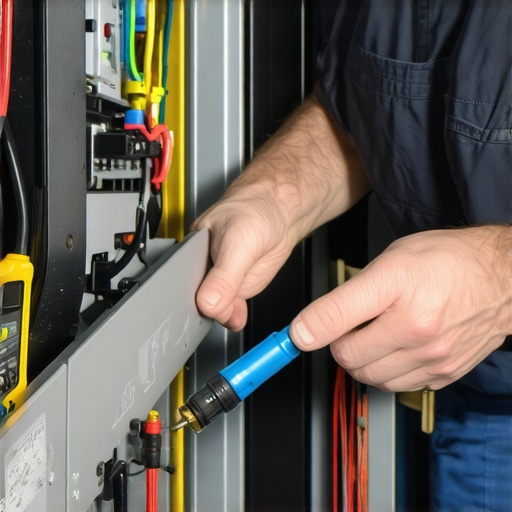
In the end, having the right tools and a proactive maintenance mindset is your best defense against unexpected breakdowns and costly repairs. Embrace technology, stay informed, and don’t hesitate to perform regular checks—you’ll enjoy the benefits of appliances that serve you reliably for years to come.
The Hardest Lesson I Learned About warranty,same-day service,installation,appliance repair
One of the most eye-opening experiences was realizing that many appliance issues are simpler and more affordable to fix than I had imagined. I once thought a noisy fridge meant replacing the entire unit, but after inspecting the compressor and coils, I discovered a clogged condenser coil that was easy to clean. This taught me to look beyond the surface and understand that most problems have straightforward solutions—saving time and money.
3 Myths About warranty,same-day service,installation,appliance repair That Held Me Back
Believing that warranties cover every repair, expecting technicians to arrive within hours, and thinking installation is a trivial step—all these myths led to unnecessary stress. I learned that warranties often exclude certain damages, and real-time service can be limited by availability. Proper installation, following manufacturer instructions, makes a significant difference in appliance lifespan. Busting these myths has empowered me to make better decisions and trust the process.
What Experts Won’t Tell You About warranty,same-day service,installation,appliance repair
Many professionals know that proactive maintenance can prevent most major breakdowns. Regularly cleaning filters, inspecting components, and understanding your appliance’s warning signs can extend its life considerably. Additionally, experts often keep spare parts on hand for common repairs—like drive couplings or motor brushes—so repairs are quick and affordable. This insider knowledge shifts the focus from reactive fixes to proactive care, saving money and headspace.
My Essential Toolkit for Appliance Troubleshooting
Over the years, I rely on a few trusted tools that make a difference. A good digital multimeter helps diagnose electrical issues, like testing for continuity in your microwave’s motor or checking wiring in your dishwasher. A quality screwdriver set—especially with Torx and Phillips heads—ensures I don’t strip screws during reassembly. Having these at hand transforms complex repairs into manageable tasks and keeps your appliances humming along.
Where to Go from Here to Keep Appliances Running Smoothly
Beyond repair, staying informed is key. Subscribe to manufacturer updates, join online repair communities, and explore detailed guides on your specific appliances. For example, understanding how to calibrate your oven or clean your refrigerator coils can prevent major issues. Regularly scheduled maintenance—like replacing filters and checking seals—can dramatically extend your appliances’ lifespan. Remember, small consistent efforts pay off in the long run, preventing costly emergencies.
Your Move to Better Appliance Care Starts Today
Empowered with these insights, you can now approach appliance maintenance and repairs with confidence. Whether you’re inspecting a turntable motor or verifying proper installation, proactive steps are your best defense against unforeseen breakdowns. Dive into the details, trust your tools, and build habits that protect your investments. Your appliances will thank you with years of reliable service.
What’s the one appliance issue you’ve hesitated to fix? Share your story below and let’s troubleshoot together!
.