
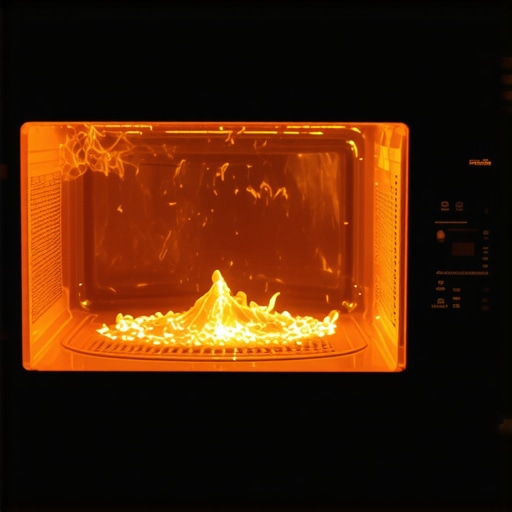
Last week, I was rushing to get dinner on the table when I noticed a sudden burst of sparks from my microwave. My heart skipped a beat — I hadn’t even put any metal inside! It was one of those lightbulb moments that made me realize how little we know about the appliances we rely on daily. That frightening spark not only startled me but also left me questioning: What causes a microwave to spark unexpectedly?
The Hidden Dangers of Microwave Sparks
Microwaves are marvels of convenience, but they can sometimes throw unexpected surprises our way. When sparks fly, it’s tempting to dismiss it as a one-time glitch. However, these sparks can indicate underlying issues that, if left unchecked, pose safety risks. Understanding the actual reasons behind microwave sparking can save you a future repair or, worse, prevent a fire!
Are Sparks Without Metal Still Dangerous? Here’s the Truth
I once made the mistake of ignoring a tiny spark, thinking it was harmless. That was a bad move. Sparks can sometimes occur due to accumulated debris or electrical faults, and overlooking them could lead to short circuits or appliance failure. As per safety experts, even sparks without metal inside can indicate problems like damaged waveguides or faulty diodes that require immediate attention. Curious about other appliance mishaps? Check out this detailed guide to microwave issues.
Identify the Cause of Sparks
Start by carefully examining your microwave for visible damage or debris. Use a flashlight to inspect the interior, especially around the waveguide cover and magnetron. Remember, debris like metal shavings or food particles can cause sparks. Once you spot a foreign object or buildup, prepare to clean or replace the faulty component.
Unplug and Prepare for Safety
Before proceeding, unplug the microwave from the power outlet. Wear insulated gloves and avoid touching internal parts directly. Think of this as disconnecting power to reset an appliance’s ‘brain’—a crucial safety step if you want to avoid electric shock or further damage.
Clean the Waveguide Cover and Interior
Use a soft cloth and mild detergent to clean the waveguide cover, which is often a common culprit for sparking. If the cover is cracked or damaged, it needs replacing. Take note of any burnt spots or corrosion—these indicate a compromised part that could cause sparks during operation.
Replace Damaged Waveguide Components
If inspection reveals a damaged or burnt waveguide cover, order a replacement from your appliance provider. To install it, align the new cover precisely and secure it with screws. Think of this like replacing a worn-out tire—proper fit ensures safe, smooth operation afterward. Reinstall all panels securely before testing.
Check Electrical Components
Next, examine the diode and magnetron, which can be faulty and induce sparking. Use a multimeter to test these parts for continuity. If you’re unfamiliar with electrical testing, consider consulting a professional. It’s similar to checking the wiring in your car—accurate diagnostics prevent unexpected breakdowns.
Test the Microwave Carefully
After completing repairs and reassembling the microwave, plug it back in and run an empty cycle for a short duration. Observe carefully for any sparks or unusual noises. Remember, if sparks recur, turn off the appliance immediately. This testing helps confirm if the issue was resolved without risking safety.
Learn When to Call Professionals
Not all sparks are easy fixes. If you detect burnt wiring, persistent sparking, or if you’re uncomfortable performing any steps, schedule a professional appliance repair. Think of it as needing a specialist like an electrician for complex wiring—your safety comes first. Reliable service providers often offer same-day repairs with warranties, ensuring peace of mind.
 Many homeowners assume that same-day appliance repairs and warranties offer foolproof protection and convenience, but the reality is often more nuanced. While these features are marketed as guarantees of quick, stress-free solutions, few realize that misconceptions can lead to costly mistakes. For instance, many believe that a warranty covers all repair costs, but in truth, coverage can be limited, especially if the damage results from improper installation or neglect. A common myth is that “diagnosing” a problem over the phone guarantees a swift fix—however, complex issues like wiring faults or internal component failures often require in-person expertise, and delays can occur if the technician is unavailable immediately. Moreover, some assume that same-day service means the technician will handle every aspect of repair or installation at once; in reality, parts availability or safety protocols might necessitate multiple visits or order delays, undermining the “same-day” promise. \n\nLet’s address an advanced question: How can homeowners identify whether a service provider’s “same-day” claim is genuinely reliable, or merely a marketing gimmick? Industry experts suggest scrutinizing the company’s track record, reviews, and warranty fine print. For example, a 2022 study by Consumer Reports revealed that over 40% of service claims labeled “same-day” experienced delays due to parts shortages or scheduling issues, especially during peak seasons. Being aware of these nuances allows consumers to set realistic expectations and avoid being trapped by overly optimistic promises. \n\nAnother frequently overlooked aspect involves installing appliances correctly the first time. A quick installation might seem efficient, but improper setup can cause long-term problems like uneven heating or water leaks, leading to additional repairs that void warranties or increase costs. For example, improper leveling of a washer can cause vibrations and damage internal parts—an advanced mistake that many overlook. While some think that installers “know best,” understanding installation requirements, such as adequate clearance space, electrical grounding, and component compatibility, can foster better outcomes. You can find comprehensive guidelines for installation and maintenance on trusted resources like [here](https://discountappliancehub.com/why-your-washer-leaves-lint-on-your-dark-clothes). \n\nBe cautious: relying solely on promises of rapid service or comprehensive warranties without understanding their limitations can lead to surprises. Always ask detailed questions about coverage scope, technician scheduling policies, and potential delays when contracting services. Remember, a reputable company provides transparent terms and realistic timelines. Do your homework, verify credentials, and don’t be swayed by promises alone. Have you ever fallen into this trap? Let me know in the comments.
Maintaining your appliances over the long term is crucial to ensuring they function reliably and efficiently. While regular cleaning and careful usage are important, investing in the right tools and adopting effective maintenance routines can make a significant difference. As someone deeply involved in appliance repair and installation, I recommend a combination of high-quality diagnostic tools and a consistent maintenance schedule to keep everything running seamlessly.
The Power of Precise Diagnostic Tools
First and foremost, having a reliable multimeter is essential for any homeowner or technician. I personally use a Fluke 117 Multimeter because of its accuracy and durability. It allows me to quickly diagnose electrical issues, such as faulty wiring or defective components like thermostats or capacitors. Additionally, an infrared thermometer helps me identify uneven heating, cold spots, or overheating parts — vital during repairs or routine inspections.
For example, when troubleshooting a refrigerator that isn’t cooling properly, I check the compressor and fans with these tools to identify if the problem is electrical or mechanical. Incorporating these diagnostic tools into your maintenance routine saves time and prevents unnecessary part replacements. Want to ensure your appliances perform at their best? Start by equipping yourself with a quality multimeter and infrared thermometer.
Establishing a Consistent Maintenance Routine
Beyond tools, developing a habit of regular inspections can extend your appliance’s lifespan. I recommend monthly visual checks for signs of wear, leaks, or debris buildup. For instance, cleaning filters in range hoods or washing machine lint traps prevents long-term issues and keeps appliances running efficiently.
Another critical aspect is component replacement before failure occurs. For example, replacing water filters in fridges every six months, as advised in this guide, helps maintain optimal performance and prevents slow water flow or leaks. Scheduling these small tasks as part of your routine can save money on costly repairs down the line.
How do I maintain appliances over time?
To keep appliances functioning long-term, prioritize regular cleanings, timely part replacements, and routine inspections using your diagnostic tools. For example, checking the drain pump in washing machines or the blower fan in air conditioners can preempt failures that require emergency repairs. Additionally, sourcing quality replacement parts, like durable fuses or gaskets, ensures longevity. Remember, preventive maintenance is your best friend in avoiding inconvenient breakdowns and costly repairs.
Looking forward, I believe smart diagnostic tools integrated with your smartphone will become standard, enabling even easier monitoring and proactive maintenance. Already, some brands offer apps that alert you to emerging issues based on sensor data, reducing downtime and extending appliance life.
One actionable tip: try regularly testing your appliances with a multimeter to understand their normal electrical signatures. This practice can help you spot anomalies early, preventing major failures. For example, monitoring the compressor current draw can reveal impending issues before they escalate. Incorporating this advanced step will empower you to maintain your home appliances with confidence and ease.
The Hidden Lessons That Changed My Approach to Appliance Care
- Too Often, We Trust Surface Fixes: I used to ignore minor sparks, assuming they’d resolve themselves. It taught me that small signs often hide deeper issues, reminding me to always inspect thoroughly before dismissing appliance anomalies.
- Proper Maintenance Saves You Big: Regularly cleaning components like waveguides and testing parts with diagnostic tools helped me avoid costly repairs. This proactive mindset makes appliance troubleshooting less stressful and more empowering.
- Knowing When to Seek Help Is Key: There’s a fine line between DIY and risking safety. Recognizing my limits and consulting professionals when needed has kept my household safe and my appliances running smoothly.
My Must-Have Tools for Appliance Troubleshooting
Over the years, I’ve come to rely on certain equipment that truly makes a difference. A trustworthy multimeter, like the Fluke 117 Multimeter, has been my go-to for electrical diagnosis. Pairing it with an infrared thermometer helps me detect uneven heating or overheating spots—crucial for appliances like ovens and fridges. These tools have transformed my approach from guesswork to precision.
In addition, I recommend keeping digital inspection cameras handy—they’re invaluable for visual checks inside tight spaces, like behind the microwave or under the dishwasher. Trust me, investing in quality diagnostic equipment turns everyday home maintenance into confidence-boosting empowerment.
Your Path to Smarter Appliance Care Starts Today
Now that you understand some behind-the-scenes truths and have essential tools at your fingertips, it’s your turn to put this knowledge into action. Regular maintenance, thorough inspections, and knowing when to bring in experts will extend your appliances’ lifespan and keep your home running smoothly. Remember, the goal isn’t just fixing issues—it’s preventing them before they become costly problems.
Are you ready to take control of your appliance maintenance journey? Share your experiences or questions below—let’s learn together and keep our homes running efficiently.