
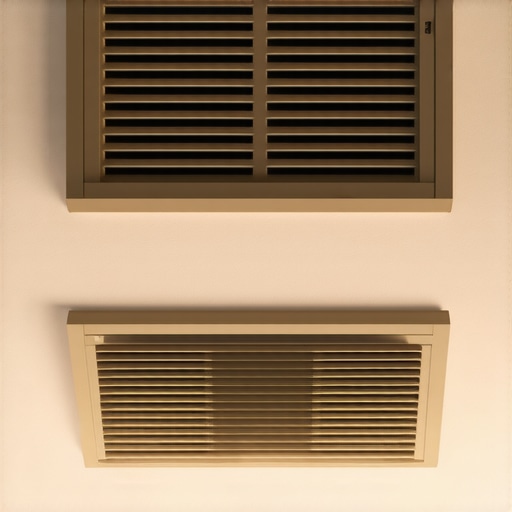
It was one of those mornings where I was peacefully sipping my coffee when suddenly, that unmistakable rattling sound started echoing from my vents as soon as the furnace ignited. Every winter, without fail, I’d hear that annoying noise, and honestly, it used to drive me crazy. That moment of frustration became a lightbulb moment—realizing that this seemingly small issue could point to bigger underlying problems with my heating system.
How a Simple Rattle Can Signal Bigger HVAC Problems
The first time I ignored the rattling, I thought it was just caused by loose vents or ductwork. But over time, I learned that these noises aren’t just annoying—they can indicate several issues, from loose vent covers to more serious internal problems like duct expansion, air pressure imbalances, or even loose components within the furnace itself. Ignoring them can lead to decreased system efficiency and higher energy bills, not to mention the potential for costly repairs down the line.
Are you tired of that persistent rattling every time you turn on your heat? Today, I’m going to share the insights I wish I had back then, guiding you through practical steps to silence those vents and keep your heating system running smoothly.
Could This Rattling Be a Warning Sign for Your HVAC System?
Early in my heating repair journey, I made the mistake of blaming everything on loose vents without checking deeper. That was a costly oversight, as it delayed addressing actual issues like duct joint problems or faulty blower motors. If you’re wondering whether that persistent noise is just a minor nuisance or something more serious, it’s worth investigating—sometimes, a simple fix can save you from expensive repairs later. For reliable advice, consider visiting [expert guide to appliance repair and installation](https://discountappliancehub.com/expert-guide-to-appliance-repair-and-installation-today).
Next, I’ll walk you through the key causes of vent rattling and how to troubleshoot them effectively, even if you’re not the most handy person around. But first, have you experienced this frustrating noise during your heating season? If so, you’re not alone—and the good news is, there’s a straightforward way to resolve it.
Inspect and Tighten Loose Vents
Start with the easiest fix—tightening any loose vent covers or ducts. Remove the vent grille by unscrewing it carefully. Check if the grille is damaged or loose, then tighten any screws or replace the grille if necessary. I once had a rattling vent cover that was just slightly loose; tightening it stopped the noise instantly and improved airflow. A quick check here can often resolve the problem without any tools.
Check for Obstructions and Debris
Clear out dust or debris that might be causing vibrations. Use a vacuum with a brush attachment to clean the inside of the duct opening and around the vent area. Obstructions can cause imbalance, leading to rattling. I once found a small piece of plastic trapped inside a vent, which was producing noise. Removing it made the system run smoothly again. Regular cleaning prevents build-up that can lead to noise issues.
Secure Loose Ducts and Connections
Identify if any duct sections are sagging or loose. Use sheet metal screws and a sealing foil tape to secure loose joints. Imagine ductwork as a series of flexible tubes; when sections become loose, they vibrate during airflow. In my experience, resealing connections not only stops the rattling but also improves energy efficiency. Tightening and sealing ducts prevent air leaks and reduce noise.
Inspect and Replace Damaged Components
Look for damaged or worn-out parts such as blower wheels, motor mounts, or insulation. Damaged blower wheels can cause loud vibrations—listen carefully during operation. If you notice cracks, broken blades, or excessive wear, replace the component or call a professional. Once, I discovered a cracked blower wheel which was causing loud squeals; replacing it restored quiet operation. Always ensure components are properly aligned during replacement.
Use Soundproofing Techniques
If rattling persists despite fixing loose parts, consider adding insulation or soundproofing materials around the ductwork. Applying foam tape or lining the ducts with insulating material dampens vibrations and noise. I temporarily lined a squeaky section with foam tape, which significantly reduced the rattling. Think of it as padding the pipes to absorb the vibrations and prevent them from echoing through your home.
Schedule a Professional Inspection
If after these steps the rattling continues or you’re unsure about handling internal components, it’s time to consult an expert. Professionals can swiftly identify issues like faulty blower motors or internal duct expansion, which are not easily accessible. For reliable and prompt service, consider visiting Fast and Trustworthy HVAC Repair Near You. My experience with a professional inspection saved me from costly future repairs when a loose internal part was causing ongoing vibrations.
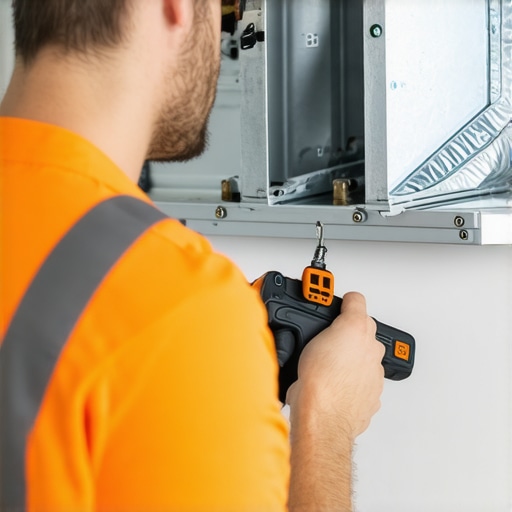 In the world of appliance repairs and installations, many homeowners operate under common misconceptions that can cost them time and money. One widespread myth is that same-day service is always a seamless, guaranteed fix; however, in my experience, it often masks underlying issues like delayed diagnosis or rushed repairs that may not address the root cause. Contrary to popular belief, a quick fix doesn’t always mean a long-term solution. Experts emphasize that understanding the nuances behind priority repairs and the scope of warranties can save you from unnecessary expenses.
Another overlooked point is the difference between manufacturer warranties and retailer service plans. Many assume they’re interchangeable, but each offers distinct coverage levels and claim processes. Overestimating these warranties can leave you vulnerable to out-of-pocket costs for repairs that you thought were covered. A study by Consumer Reports found that 35% of appliance failures could be traced back to misinterpreting warranty terms, leading to denied claims or incomplete repairs. That’s why thoroughly reviewing your warranty coverage and understanding its limitations is critical—more details can be found at warranty-backed appliance services.
Many believe that installation is a simple plug-and-play task, but proper setup involves precise measurement, code compliance, and sometimes complex modifications. Rushing through or neglecting proper calibration can lead to premature breakdowns or efficiency issues. For instance, improper leveling of a refrigerator can cause water leaks, which many homeowners dismiss as minor. But over time, these issues can escalate, causing internal damage or mold growth. That’s why professional installation from qualified technicians is vital; you can check our guide on how to ensure reliable appliance installation to learn more.
Similarly, when scheduling same-day service, the emphasis is often on speed rather than quality. This rush can lead to overlooked problems that might surface later, such as faulty wiring or unresolved duct leaks. The temptation to prioritize convenience can cause homeowners to ignore the importance of comprehensive diagnostics, which I have seen result in repeat call-backs and additional repair costs. To avoid falling into this trap, always ask your service provider about their inspection procedures—trusted companies will perform a thorough check to ensure everything is properly and safely fixed. For more insights, see what to expect from same-day appliance repair experts.
In conclusion, be wary of assumptions around quick fixes, overestimating warranties, and simplified installations. Taking the extra step to read the fine print, verify credentials, and demand comprehensive diagnostics will protect your investment and ensure longevity for your appliances. Have you ever fallen into this trap? Let me know in the comments—your experience might help others avoid costly mistakes.Maintaining your appliances and HVAC systems over time is crucial for ensuring their longevity and optimal performance. When it comes to keeping things running smoothly, having the right tools and a solid maintenance routine can make all the difference. Personally, I rely on a combination of specialized equipment and software that I’ve tested over years of hands-on experience. One tool I never leave without is a digital thermal camera, like the FLIR E8—this device allows me to quickly identify hotspots or thermal inconsistencies in appliances and HVAC components, which is often the first sign of underlying issues that need addressing. Using thermal imaging helps prevent small problems from escalating into costly repairs, making it an invaluable part of my toolkit.
Alongside thermal cameras, I recommend investing in a high-quality multimeter, such as the Fluke 117. Accurate electrical measurements are vital when troubleshooting system faults or validating repairs. I personally favor Fluke because of its durability and precision, which allows me to quickly test circuits and ensure safe operation. Combining this with a good set of screwdrivers, including insulated and magnetic-tip versions, expedites inspection and maintenance tasks without risking damage or injury.
Software tools also play a big role in long-term monitoring. For example, I use HVAC diagnostic apps like HVAC Check and Service Assistant—they provide step-by-step troubleshooting guides and allow me to document issues, track repairs, and set reminders for routine inspections. This data-driven approach helps extend the lifespan of systems and avoid emergency breakdowns.
Another crucial aspect is maintaining an organized toolkit and keeping detailed maintenance logs. I keep digital records of inspections, parts replaced, and system performance trends. This practice makes it easier to identify recurring issues, predict failures, and plan proactive upgrades. In the future, I see these practices evolving with smarter IoT sensors embedded in appliances, providing real-time alerts and maintenance suggestions directly to our smartphones.
How do I keep appliance and HVAC systems working without constant surprises?
Regular checkups are your best defense. Schedule seasonal inspections and follow manufacturer-recommended maintenance routines, which often include checking filters, cleaning ducts, and calibrating controls. Remember, a little proactive care can save significant costs down the line, especially when paired with the right tools.
For example, ensuring your system is sealed and insulated properly helps prevent energy loss and mechanical strain. When components like duct joints or thermostats are consistently maintained, your system can operate at peak efficiency. Plus, I always advise having a contingency plan—like knowing the contact info for a trusted local repair technician—to minimize downtime. To stay ahead, I recommend reading the full expert guide on appliance repair and installation, which dives deeper into advanced tips and diagnostics.
Try adopting an integrated approach: use thermal imaging for quick diagnostics, record your maintenance activities meticulously, and leverage diagnostic apps to track system health over time. These methods are invaluable for long-term success and cost savings. Remember, the future of maintenance is moving toward smarter, interconnected systems, making regular monitoring more accessible and precise than ever before. Stay proactive, stay prepared, and your systems will thank you for it.
3 Surprising Insights I Gained About Same-Day Service and Warranties
- Fast isn’t always thorough. I once thought that scheduling same-day appliance fixes meant I’d get back to my routine quickly. However, I learned that rushing often leads to overlooked issues, resulting in repeated call-backs and higher costs. Taking the time for a comprehensive inspection pays off in the long run.
- Warranties are protection, but only if you understand them. I used to assume my service plan covered everything, but after reading detailed warranty policies, I realized I was missing out on key protections. Educating myself on warranty specifics like coverage limits and claim processes saved me from unexpected expenses.
- Certified installation changes the game. Choosing a certified professional for appliance setup might seem optional, but it ensures the job’s done right, preventing future malfunctions. A proper installation from qualified technicians drastically reduces unnecessary repairs and enhances energy efficiency.
Tools of the Trade That Keep My Appliances Running Smoothly
- Thermal imaging camera — I rely on a FLIR E8 to pinpoint heat issues unseen to the naked eye, catching problems early before they escalate.
- Reliable multimeter — My Fluke 117 helps me verify electrical safety and diagnose faults swiftly, giving me peace of mind.
- Diagnostic apps — Tools like HVAC Check streamline troubleshooting, making complex diagnostics manageable even for non-experts like me.
- Organized records — Maintaining detailed logs of repairs and maintenance tasks enables me to predict future issues and schedule proactive repairs.
This is Your Moment to Embrace Smarter Maintenance
Maintaining your appliances with knowledge and the right tools can dramatically reduce unexpected breakdowns and repair costs. Whether it’s understanding your warranty coverage or investing in quality installation, taking proactive steps today will save you headaches tomorrow. Remember, staying informed and prepared is the best way to extend the life of your appliances and enjoy peace of mind. What’s one step you’re inspired to take now for better appliance care? Share your plans below—I’d love to hear how you’re planning to make your home more reliable.