
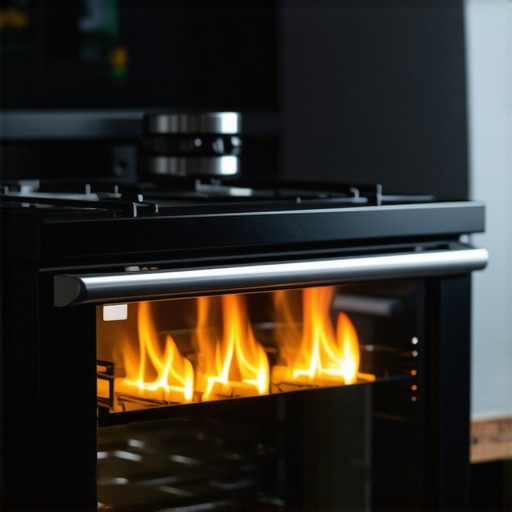
I remember the first time I tried to bake after a busy day, only to be met with a stubborn, unresponsive gas oven that refused to light promptly, filling my kitchen with a faint but unsettling gas smell. That moment was a real eye-opener — suddenly, cooking felt less like a joy and more like a safety concern. If you’ve ever faced this frustrating scenario, you’re not alone. Many homeowners find their gas ovens taking forever to ignite, accompanied by a suspicious gas smell, and wonder what on earth is going on.
When Your Oven Won’t Ignite Quickly, It’s Time to Investigate
Gas appliances are generally reliable, but they can develop issues over time that lead to slow lighting and leaking gas. The good news? Most problems are fixable, and understanding the common causes can save you both time and money. Today, I’ll walk you through the reasons behind these nuisances and share practical tips to get your oven firing up efficiently again. Trust me, this isn’t just about convenience — it’s about safety too. According to experts, lingering gas leaks, even tiny ones, can pose serious fire and health risks, so ignoring the problem isn’t an option.
Is Your Gas Oven Really Worth the Hype?
Like many, I initially thought these quirks were just part of an aging appliance. Early on, I made the mistake of tinkering without adequate knowledge, which only worsened the problem. I learned the hard way that attempting DIY fixes without understanding the root cause can lead to more expensive repairs down the line. That’s why I recommend consulting a professional early. If you’re curious about how to tackle these issues effectively, check out this [expert guide to appliance repair and installation](https://discountappliancehub.com/expert-guide-to-appliance-repair-and-installation-today) for reliable tips.
Many homeowners wonder if their oven’s problems are worth addressing or if replacing it makes more sense. In my experience, most issues are repairable, especially when caught early. By understanding the common pitfalls and solutions, you’ll not only extend your appliance’s lifespan but also ensure your kitchen stays safe. Coming up next, we’ll dive into the specific causes behind slow ignition and gas smells — and, more importantly, how to fix them quickly and safely.
Identify the Root Cause Before You Fix
First, carefully observe when the oven is slow to ignite and if you notice a consistent gas smell. Recall a time I experienced this: I heard a faint hissing sound before the oven finally lit, with a noticeable gas scent lingering. This pointed to a leaking or misfiring component that needed immediate attention. Always prioritize safety by turning off the gas supply if you suspect a leak, and ventilate your kitchen.
Check the Gas Supply and Connections
Start by ensuring the gas valve is fully open. Think of it like watering a plant; if the flow isn’t steady, the plant (your oven) won’t thrive. Disconnect the oven from power and carefully inspect the gas hose and connections for cracks or leaks. You can use a soap and water solution—bubbles will form where there’s a leak. Remember, if you detect a leak or are unsure, contact a professional through contact us.
Clean or Replace the Igniter
Over time, dust and food debris can coat the igniter, reducing its effectiveness. I once had to replace my oven’s igniter after noticing slow lighting; the new igniter sparked reliably and restored quick ignition. To clean, disconnect the oven from power, locate the igniter (usually near the burner), and gently brush off dirt with a soft brush or cloth. If cleaning doesn’t help, replace it following the manufacturer’s instructions or consult a technician from reliable repair services.
Inspect the Gas Valve and Solenoid
The gas valve controls the flow of gas; if it’s faulty, your oven may leak gas or fail to ignite promptly. Think of it like a faucet; if it’s clogged or stuck, water flow (gas in this case) will be irregular. Use a multimeter to test the solenoid’s electrical continuity or ask a professional to do this for you. Replacing a valve or solenoid can be straightforward if you’re comfortable with DIY or better handled by a licensed technician. For peace of mind, check out expert repair guides.
Schedule Immediate Professional Service
Once you’ve performed basic troubleshooting—like cleaning the igniter and inspecting connections—if the problem persists, it’s time to call in experts. Think of it as consulting a specialist rather than trying to fix a complex engine yourself. Use a reputable same-day service to ensure prompt, safe repairs. When scheduling, mention the issue clearly, and request warranty-backed service to avoid unnecessary expenses—check how to maximize warranty benefits.
Ensure Your Repairs Are Safe and Effective
After repairs, verify proper operation by igniting the oven and smelling for leaks. Use a soap solution to double-check connections. Always keep a fire extinguisher nearby and ensure your kitchen has proper ventilation during testing. Remember, some issues, like persistent gas smells, are safety hazards best handled by professionals—don’t skip this step. Consulting the repair experts guarantees not just quick fixes but peace of mind.
Many homeowners believe that opting for immediate repair or installation guarantees a flawless experience, but the reality is often more nuanced. A common misconception is that same-day service always translates to superior quality or comprehensive warranty coverage. In fact, quick fixes can sometimes lead to overlooked details that compromise safety and long-term reliability. For instance, rushing repairs might cause technicians to bypass thorough diagnostics, increasing the risk of future breakdowns or safety hazards, especially if critical steps like verifying gas leaks or electrical safety aren’t meticulously followed. According to a study by the Consumer Energy Council, hasty repairs without proper inspection can elevate the risk of equipment failure and safety incidents. Additionally, many assume that warranties automatically cover all issues arising from quick repairs, but a closer look reveals restrictive fine prints—such as exclusions for certain parts or misuse—that can leave you unprotected when problems occur after the service. This “hidden trap” can cost you significantly if unforeseen complications develop, making it vital to understand warranty terms before consenting to any work.
Are All Same-Day Services Equal in Quality and Coverage?
It’s a misconception that all technicians offering same-day services are equally qualified or that warranties provided during urgent repairs are comprehensive. In reality, the urgency can sometimes pressure service providers to cut corners, skip detailed diagnostics, or omit essential safety checks, jeopardizing your home’s safety. Moreover, some warranties linked to these quick fixes might exclude parts prone to wear, such as thermostats or seals, or limit coverage to only labor costs, leaving you vulnerable to high expenses later. Trusting these services blindly can be risky; instead, ask detailed questions about the technician’s qualification, diagnostic procedures, and warranty specifics, ensuring you’re not caught off guard. For dependable guidance, I recommend reviewing resources like [expert repair guides](https://discountappliancehub.com/expert-guide-to-appliance-repair-and-installation-today) to understand what genuine professional service entails. Remember, patience and due diligence often lead to more durable solutions, even if they aren’t immediate. So, next time you’re tempted by a quick fix, take a moment to verify the service provider’s credentials and warranty coverage—that small step can save you big trouble later. Want a deeper dive? Check out [maximizing your warranty during emergency repairs](https://discountappliancehub.com/maximize-your-appliance-warranty-during-emergency-repairs) to learn how to safeguard your investments effectively.Maintaining your appliances efficiently requires the right tools and methodical approaches. Personally, I swear by a quality digital multimeter for diagnosing electrical issues in appliances like ovens and washing machines. This device allows me to test voltage and continuity quickly, ensuring that components such as igniters, thermostats, and sensors are functioning correctly without guesswork. Additionally, a good set of screwdrivers with various bits—preferably magnetic—helps me access and service components with precision. For cleaning, I rely on ultrasonic cleaners for small parts like carburetors and igniters, which effectively remove grime and carbon buildup that can impair performance over time. Using a reputable multimeter (like the Fluke 115) and ultrasonic cleaner has transformed my maintenance routine, making troubleshooting faster and more accurate.
How do I maintain appliance performance over time?
Regularly inspecting and cleaning critical parts is essential. Keep a detailed log of repairs and replacements, and schedule seasonal checks for components prone to wear, such as door seals, water filters, and gasketing. For electrical systems, use a multimeter monthly to verify that voltage levels stay within optimal ranges, preventing potential failures. When in doubt, consulting expert resources—like the professional repair guides—can help you perform precise maintenance without risking safety. Looking ahead, the trend is moving toward smarter diagnostic tools that can interface directly with appliances, providing real-time health reports and predictive maintenance alerts. Embracing these innovations will help you stay ahead of issues before they become costly repairs. For example, installing a Wi-Fi-enabled smart plug can monitor power consumption patterns and alert you to irregularities that signal impending problems. Don’t hesitate to enhance your toolkit with these smart solutions, but always prioritize using certified tools and procedures to ensure safety and long-term reliability. Want to learn more about advanced maintenance practices? Check out what to expect from professional repairs and adapt these tips for your home.
What I Wish I Knew Before Rushing for Repairs
One of the most valuable lessons I learned was to never ignore persistent gas smells or slow ignition, as they often mask bigger safety issues. Jumping straight into DIY fixes without understanding the root causes can turn minor problems into costly repairs or dangerous hazards. The importance of consulting professionals early, especially for gas-related concerns, cannot be overstressed. Additionally, I realized that having the right diagnostic tools, like a quality multimeter, makes a significant difference in accurately identifying issues before reaching out for expert help.
Another insight is recognizing my limits — some repairs, particularly those involving gas lines, are safest left to licensed technicians. Trying to save money by DIY-ing complex fixes not only risks safety but might also void existing warranties. To prevent future frustrations, I now schedule regular maintenance and safety checks, ensuring my gas oven runs smoothly and safely over the years. Remember, being proactive about appliance health can save you time, money, and peace of mind.
Tools and Resources That Keep My Oven Running Safe and Smooth
- Professional Repair Guides: The expert guide to appliance repair provides step-by-step instructions on diagnosing and fixing common oven issues safely. I trust it because it combines clear explanations with safety tips from licensed professionals.
- High-Quality Diagnostic Tools: A reliable digital multimeter, like the Fluke 115, helps me test electrical components accurately, preventing unnecessary replacements. Investing in good tools has made troubleshooting more efficient and less stressful.
- Maintenance Checklists: Regularly inspecting connections and cleaning igniters using advice from trusted sources keeps my oven in top shape. The reliable appliance installation guide offers great tips on maintaining appliance safety and performance.
Take Charge to Keep Your Kitchen Safe and Efficient
Your gas oven deserves your attention, especially when things seem off. Prioritize safety by turning off gas and ventilating your kitchen if you smell gas or notice slow ignition. Remember, professional repairs are your best bet for complex issues—don’t delay calling experts through contact us when needed. Taking proactive steps today ensures your oven remains a safe and reliable part of your cooking routine tomorrow. What has been your experience with gas appliance repairs? Share your story below and let’s learn from each other’s journeys.