
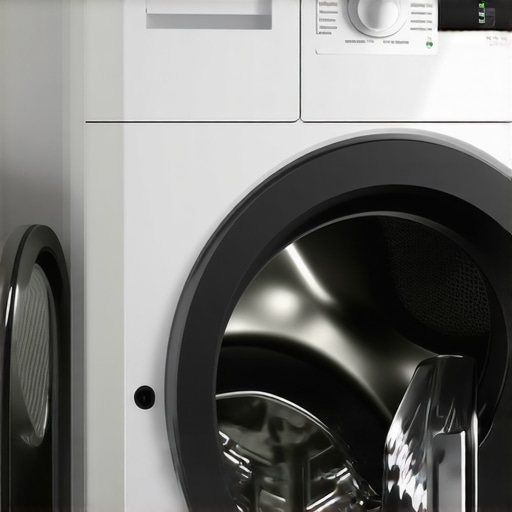
It was late one evening when I finally peeked behind my front-load washer, expecting a quick check-up. Instead, I was greeted with a damp, moldy mess hiding behind the seal—a moment of disgust combined with that nagging question: Why is this happening? That lightbulb moment made me realize I wasn’t alone. Many homeowners overlook this sneaky problem, only to face more costly repairs or compromised hygiene later.
If you’ve ever contemplated whether your washer’s cleanliness impacts your family’s health or wondered why your appliance smells worse over time, you’re in good company. Today, we’ll dive into this common yet often misunderstood issue and, more importantly, explore practical solutions that I wish I had known from the start.
Why Mold Behind the Seal Matters More Than You Think
A growing mold problem behind your front-load washer’s seal isn’t just about an unsightly appearance. According to the Environmental Protection Agency, mold can trigger allergic reactions, asthma episodes, and other respiratory problems, especially if left unchecked. Many people assume regular cleaning keeps mold at bay, but that’s only part of the story. The real culprit is often overlooked maintenance that allows moisture to linger in hidden spots.
Early in my appliance journey, I made the mistake of only wiping the visible parts of the door seal, thinking that was enough. That’s a common pitfall—thinking that cleaning the exterior or wiping the gasket is sufficient. But mold thrives in the moist, dark crevices you can’t see, which is why I strongly recommend a deeper inspection and targeted cleaning routines.
Have you also noticed that despite running regular cycles, your washer still develops that musty smell? You’re not imagining things. It’s often a sign that mold is establishing itself behind the seal. Recognizing this early can save you money and health-related issues down the line.
Now that we’re clear on why this problem matters, let’s walk through how to properly inspect and clean behind that stubborn seal—so your laundry doesn’t carry more than just dirt, but unwanted mold spores as well.
Inspect the Door Seal Thoroughly
First, open your washing machine door and examine the entire rubber gasket. Look for visible mold, soap scum, or residue. I remember one time, I caught a small patch of mold in a barely visible fold, which prompted me to dig deeper. Use a flashlight if necessary, and gently pull back the gasket to reveal hidden areas.
Gather Your Cleaning Supplies
Prepare a mixture of equal parts white vinegar and water, or use a commercial mildew cleaner. Keep a soft cloth or sponge, an old toothbrush, and rubber gloves handy. For stubborn spots, a spray bottle makes application more precise. Remember, safety first: wear gloves to avoid skin irritation.
Remove and Clean the Gasket
Carefully peel back the gasket from the drum to access the hidden cavity. Dip your cloth or toothbrush into the cleaning solution and scrub all surfaces, paying special attention to folds, grooves, and the area where the mold appears. As I cleaned mine, I found a small collection of mold nestled in the corner, which I wouldn’t have seen without peeling back the seal. This step is like peeling the layers of an onion — necessary for complete sanitization.
Treat and Disinfect Severe Mold Spots
For persistent mold patches, spray the affected area generously with the mildew cleaner or vinegar solution. Let it sit for 10-15 minutes to break down mold spores. Then, scrub thoroughly until the mold lifts away. Be cautious not to damage the rubber; gentle pressure works best. This method ensures the complete eradication of mold that could otherwise continue to grow unseen.
Dry and Reinforce Your Seal
Use a clean, dry cloth to thoroughly dry the gasket and the surrounding area. Moisture promotes mold growth, so this step is crucial. After drying, wipe down the gasket with a cloth dipped in a diluted bleach solution (if mold persists), then rinse with water to prevent residue buildup. Regularly inspecting and drying your gasket can prevent future mold issues. Think of it as giving your washer a quick workout: consistently exercising maintenance habits keeps its performance optimal.
Prevents Future Mold Growth
To maintain a mold-free environment, leave your washing machine door open after each cycle to allow airflow. Use high-efficiency detergent and avoid overloading, which traps moisture. Additionally, consider running a cleaning cycle with an appliance cleaner monthly. These steps are like a routine check-up for your washer — simple but effective in extending its life and ensuring hygienic laundry.
Integrating these steps into your maintenance routine is straightforward. Just as a professional installer makes sure your appliances are set up to prolong their lifespan, a deep gasket clean ensures your washer operates efficiently and healthily. For more tips on appliance maintenance that protects your warranty, visit our article on [5 Smart Home Setup Rules for a Valid 2026 Warranty](https://discountappliancehub.com/5-smart-home-setup-rules-for-a-valid-2026-warranty).When it comes to appliance repairs, many homeowners operate under the assumption that scheduling same-day service guarantees quick, flawless fixes. While this might sound ideal, the reality is often more nuanced. The common myth is that availability equals expertise, leading to rushed appointments that overlook underlying issues—this can cause recurring problems or warranty voids. An often-overlooked pitfall involves assuming that all technicians are equally qualified; in truth, certifications and experience vary, and selecting non-authorized service providers can inadvertently void your appliance warranty, as discussed in our article on [warranty-voiding setup errors](https://discountappliancehub.com/4-setup-faults-that-will-ruin-your-2026-dryer-warranty).
**The Oops Factor: Can’t-Wait Fixes Can Backfire** Many think that opting for the earliest appointment means the best repair outcome. However, rushing a technician without verifying their credentials or understanding the scope of work may lead to incomplete repairs, leaving you vulnerable to future breakdowns or warranty issues. For example, a technician unfamiliar with specific brand requirements might misinstall parts or overlook critical setup rules, which could be flagged during warranty verification.
**Why Immediate Isn’t Always Better** Have you ever called for same-day service only to find that the repair was poorly executed? This scenario emphasizes the importance of quality over speed. Prompt service is valuable, but it must be coupled with proper diagnostics and authorized procedures. In fact, studies reveal that repairs conducted by uncertified or untrained technicians often result in higher revisit rates, costing you more in the long run. Ensuring your technician follows manufacturer guidelines, like those outlined in our [smart home setup rules](https://discountappliancehub.com/5-smart-home-setup-rules-for-a-valid-2026-warranty), can save you headaches.
**Make The Right Choice: When Quick Fixes Are Not Enough** Sometimes, the urgency of a repair tempts homeowners to skip detailed inspections or ignore warning signs. For instance, an appliance showing intermittent issues might seem minor but could be a sign of a deeper fault—a fault that, if improperly repaired, could void your warranty or lead to expensive replacements. Always question whether a quick fix addresses the root cause, or if it merely masks the problem until it worsens.
Considering these nuances, my advice is to prioritize certified, authorized technicians and to schedule maintenance purposely, even if it means waiting a day or two for a more thorough service. Remember, in appliance repair, quality often trumps speed. For example, being aware of common setup pitfalls can protect your warranty—find more at [5 setup faults that spoil your 2026 warranty](https://discountappliancehub.com/5-setup-faults-that-will-ruin-your-2026-dryer-warranty).
Do you ever fall for the trap of quick fixes because of convenience? Share your experiences below—I’d love to hear! Navigating the fine line between speed and quality is key to long-term appliance health and warranty protection.
Investing in Reliable Tools for Effective Repairs
Having the right equipment is crucial when maintaining or repairing appliances. I personally rely on a high-quality digital multimeter to diagnose electrical issues accurately. This tool allows me to measure voltage, resistance, and continuity with precision, ensuring that I don’t guess about circuit problems. A digital manometer is invaluable for checking water pressures in appliances like washing machines and dishwashers, helping to prevent leaks and ensure smooth operation. For detailed inspections, an LED flashlight helps illuminate hidden spots behind seals or inside vents, making sure nothing is missed. Over the years, I’ve found that investing in durable, professional-grade tools reduces the likelihood of mistakes and enhances repair longevity.
Effective Software and Apps for Maintenance Tracking
Keeping track of your appliance maintenance schedule is easier with dedicated apps. I recommend using maintenance reminder apps like Todoist or Evernote to log service dates, filter replacements, or deep cleanings. For more advanced tracking, Smart Home management platforms integrate diagnostics and reminders directly on your smartphone, giving you instant insights into device health. Personal experience shows that setting regular alerts—say, quarterly gasket checks or cleaning cycles—prevents mold buildup and maintains performance. As technology advances, expect AI-powered apps to predict failures before they happen, making appliance care even more proactive.
Methodical Maintenance Routines for Longevity
Routine checks and cleanings extend appliance life significantly. Personally, I schedule deep cleanings of door seals, filters, and drainage paths every three to six months—often aligning with warranty period checkpoints to ensure coverage. Using manufacturer-approved cleaning agents avoids damage and preserves warranty validity; for instance, I always consult the manual or official resources before selecting cleaning solutions. Additionally, periodically inspecting the power connections and ventilation pathways helps prevent overheating or short circuits. Establishing a routine—like inspecting the dishwasher’s drain hose or the dryer vent—compounds to better long-term results, saving money and avoiding service interruptions.
How do I maintain appliance performance over time?
Practice regular inspections, utilize precise diagnostic tools, and keep detailed maintenance logs. Incorporating smart device integrations, such as leak detectors linked to your smartphone, can alert you instantly to issues that might otherwise go unnoticed. Remember, timely troubleshooting with the right tools prevents small problems from escalating, protects your warranty, and ensures peak efficiency. For example, upgrading your filter maintenance routines based on appliance-specific guidelines—like those discussed in the [lifetime-filter standards](https://discountappliancehub.com/the-truth-about-lifetime-filters-in-modern-hvac-systems)—can be a game changer. Try setting a monthly reminder to perform a comprehensive check—your appliances will thank you, and your household will enjoy uninterrupted performance.
What I Wish I Knew About Fast Repairs and Long-Term Warranty Safety
One of the toughest lessons I learned was that rushing to get your appliance fixed with the first available tech can sometimes come at the expense of warranty protection. I once hurriedly booked a same-day repair without verifying the technician’s credentials, only to find out later that it voided my warranty. From that moment, I realized patience and due diligence are vital. Scheduling repairs with certified, authorized professionals ensures the job is done correctly the first time, safeguarding your warranty and preventing costly repeat visits. Never underestimate the importance of understanding your warranty rules—it’s the armor that protects your investment over the years.
My Trusted Arsenal for Appliance Troubleshooting and Maintenance
Over time, I’ve come to rely on a curated set of tools and resources that make appliance care more effective. A reliable digital multimeter helps me assess electrical issues with confidence, while a high-quality LED flashlight reveals hidden leaks or mold behind seals. For scheduling regular maintenance, I use apps like Evernote to document inspections and reminders, ensuring I stay proactive. Additionally, I trust manufacturer manuals and official websites for accurate cleaning and setup procedures, which help me stay compliant with warranty requirements. Investing in these tools and knowledge sources means fewer surprises and longer-lasting appliances.
Now It’s Your Turn to Elevate Your Appliance Routine
Taking control of your appliance health might seem daunting at first, but with a few deliberate steps, you can extend their lifespan and keep your warranties intact. Remember, small habits like regular inspections, using the right cleaning solutions, and choosing certified repair services can make all the difference. Embrace a proactive mindset—your appliances are an investment, and taking good care of them ensures they serve you well for years to come. So go ahead, start implementing these tips today, and enjoy the peace of mind that comes with being a savvy homeowner.