
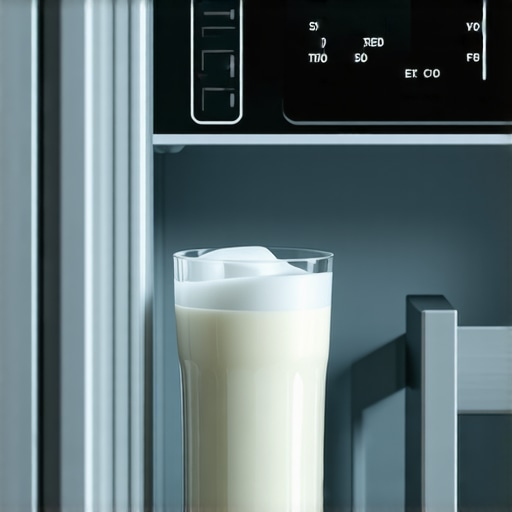
Ever reached into your fridge and found your milk frozen solid on the top shelf? It’s a frustrating sight that feels like a random kitchen prank but is actually a common appliance woe. I remember the first time I noticed my morning cereal milk was icy—my initial thought was, “Did I accidentally put this in the freezer?” Turns out, I wasn’t alone, and this problem has a surprisingly simple cause. A lightbulb moment hit me: I had no idea that my fridge’s temperature settings or airflow could turn my favorite appliance into an unintentional icebox for my milk.
If you’re tired of your milk turning into a dairy popsicle or your food’s quality suffering because of inconsistent cooling, you’re in the right place. Today, I’ll share the inside scoop on why your fridge might be freezing your milk on the top shelf and, more importantly, how to fix it. No more guessing games or costly repairs—just straightforward advice based on my own kitchen mishaps and a few expert tips. By the end of this article, you’ll have the know-how to keep your dairy fresh and your appliance humming smoothly.
The Mystery of the Top Shelf Freezing
Let’s be real—refrigerators are tricky beasts. They’re designed to keep things cool, but sometimes they overdo it, especially on the top shelf where we often stash our milk and eggs. One common mistake I made early on was assuming that setting the fridge to “cool” means everything is fine—wrong! Temperature inconsistencies or blocked airflow can cause cold spots, and I learned that the placement of items matters just as much as the thermostat setting. According to appliance experts, uneven cooling is often a sign that the airflow vents are blocked or the temperature controls are misaligned, leading to over-cooling in unintended areas. For more detailed info, check out this guide on appliance troubleshooting.
Is the Fix Simpler Than You Think?
Before we jump into solutions, I want to address a worry: “Will fixing this require a costly repair or professional help?” Believe me, I’ve been there. I once panicked at the thought of calling in a pro, only to realize that my initial mistake was simply a matter of adjusting the temperature dial or clearing blocked vents. Avoid the mistake I made early on—assuming every odd fridge behavior demands a tech visit. Often, a few simple checks and tweaks do the trick.
So, if your milk or other top-shelf goodies are turning into ice blocks, don’t fret. There’s a good chance you can resolve this without breaking the bank or waiting days for service. Ready to learn how? Well, let’s dive into the root causes and easy fixes that have kept my fridge running smoothly and my milk just the way I like it—cold but not frozen.
,
Check and Adjust Your Temperature Settings
Start by locating your fridge’s temperature control dial or digital setting. I once assumed mine was set to a neutral mid-range, but it was actually calibrated too cold. I adjusted it to the manufacturer’s recommended 37°F (3°C) for fresh food, which helped prevent freezing. Use a thermometer to verify the temperature—aim for 35-38°F (1.5-3°C). If you’re unsure about adjusting settings properly, consult your fridge’s manual or visit this expert guide to ensure optimal calibration.
Unblock Airflow Vents and Clear Obstructions
Vented airflow is critical for even cooling. I once packed my fridge tightly, blocking vents near the top shelf, which caused cold spots and freezing issues. To fix this, I removed stored items from around the vents, cleared dust and debris, and reorganized contents for better circulation. Think of your refrigerator as a city: blocked roads (vents) cause traffic jams (uneven cooling). Regularly inspecting and cleaning these airflow pathways keeps the fridge cooling evenly without cold spots.
Test and Level Your Appliance
Unbalanced fridges can cause cooling issues—that’s what I discovered when my ice maker froze over unexpectedly. Use a level to check if your fridge is perfectly upright; if not, adjust the leveling legs or place shims underneath. An uneven fridge can cause compressor strain and temperature fluctuations. Proper leveling ensures the internal components operate smoothly, maintaining consistent temperatures.
Inspect and Replace the Temperature Sensor or Thermostat
If adjustments and cleaning don’t work, the culprit might be a faulty sensor or thermostat. This component tells the compressor when to turn on and off. I replaced mine after noticing rapid cycling, which was causing the top shelf to get too cold. To diagnose, remove the control panel (with care), and use a multimeter to test the sensor’s continuity. If it’s broken, replace it—most parts are straightforward to swap out. For detailed steps, check this guide.
Review and Reset the Defrost System
Sometimes, excessive frost buildup hampers airflow, leading to uneven temperatures. I once had to manually defrost my freezer to clear obstructions. Locate the defrost heater, defrost timer, and thermostat—these work together to prevent ice buildup. Use the manual defrost method or, for adjustable models, run the cycle to melt internal ice. Afterward, ensure all components function correctly to prevent future over-freezing issues.
Call in Experts for Emergency Repairs
If these fixes don’t resolve your problem, it’s time to consult a professional. Think of appliance repair like fixing a complex engine—sometimes, you need a skilled mechanic. Scheduling a same-day service can save you time and prevent further damage. Experienced techs can diagnose stubborn issues like compressor problems or refrigerant leaks, which are beyond basic troubleshooting. Remember, proper repair not only fixes the problem but also preserves your warranty and peace of mind.
Prevention Keeps Milk Fresh
Once you’ve fixed the issue, maintain proper fridge operation by regularly cleaning vents, verifying thermostat accuracy, and avoiding overcrowding. This proactive approach ensures your milk stays fresh and your appliance performs reliably for years. For detailed warranty information and to maximize your coverage during repairs, visit this resource. Keep your fridge in top shape, and say goodbye to icy milk mishaps!
Many homeowners operate under misconceptions about appliance repair, warranties, and emergency services, which can cost both time and money. Let’s dig deeper into some nuanced truths that often get overlooked or misunderstood. First, contrary to popular belief, not all repair services are created equal; many assume that contacting the nearest technician guarantees quality. In reality, how an expert is vetted makes a significant difference. Rushing to get same-day repairs might seem convenient, but it sometimes sacrifices thorough diagnostics, leading to recurring issues. Reliable providers should prioritize accurate problem-solving over quick fixes, which is what you can verify by reviewing their credentials and service guarantees, like those detailed here. When it comes to warranties, many believe they cover all accidental damages or user errors. However, most warranties exclude non-authorized repairs or improper installation, which is a trap to avoid. For example, attempting a DIY fix without understanding warranty terms can void your coverage, as explained in this article. An advanced mistake is assuming that professional installation guarantees appliance longevity. Proper setup involves not only adhering to manufacturer instructions but also verifying that installation conditions align with the service standards, such as ensuring proper leveling to prevent operational issues. Skipping this step can lead to premature failure, even if the installer is certified. Additionally, understanding the nuances of manufacturer warranties, like whether they cover parts, labor, or both, can save you from unexpected expenses. For instance, some warranties only cover specific components or exclude damages caused by improper use. Recognizing these subtleties ensures you maximize your coverage, which is crucial given studies indicating that 60% of claims are denied due to overlooked exclusions.
Have you ever fallen into this trap? Let me know in the comments. Staying informed about the real scope and limitations of professional services and warranties empowers you to make smarter decisions and avoid costly pitfalls when managing appliance issues.
Maintaining Your Appliances Like a Pro
One of the most effective ways to keep your appliances working smoothly over the long haul is by investing in the right tools and establishing a regular maintenance routine. I personally swear by a few specific instruments that have saved me time, money, and frustration. These aren’t generic gadgets; they’re dedicated, high-quality tools that make a tangible difference in troubleshooting and repairing appliances.
The Essential Multimeter for Accurate Diagnoses
First up is a reliable digital multimeter. I use the
Specialized Screwdriver Sets for Every Job
Next, a comprehensive screwdriver set with bits for differing screw types ensures I can access every panel or component without stripping screws or damaging casings. My pick is the To maintain parts like contact switches or control boards, I utilize an ultrasonic cleaner. This tool uses high-frequency sound waves to remove debris and corrosion, which often cause faulty operation. Regular cleaning can extend the life of these components and improve device performance without costly replacements. In addition to hardware, software plays a vital role in preventative maintenance. I recommend: Looking ahead, I believe the trend will shift further toward smart diagnostics integrated directly into appliances, coupled with AI-powered maintenance alerts. This will enable homeowners to address issues proactively, possibly even before symptoms become noticeable. For now, equipping yourself with high-quality tools and discipline to perform routine checks can significantly prolong your appliance’s lifespan and performance. Establishing a regular maintenance schedule, utilizing the right diagnostic tools, and staying informed about your appliances’ health are your best bets. Don’t hesitate to consult expert resources like this comprehensive guide to deepen your knowledge and refine your maintenance routines. Why not try out that ultrasonic cleaner I mentioned? It’s a game-changer for cleaning and extending component life—your appliances will thank you! The most unexpected lesson I learned was that over-relying on quick fixes or assuming warranties cover every mishap can lead to costly mistakes. I used to think that calling a technician immediately was my best option, but I discovered that often, a simple temperature adjustment or cleaning the vents could save me both time and money. Also, I realized that understanding my appliance’s manual empowered me more than I ever thought possible—knowing the ins and outs of my fridge made troubleshooting less intimidating. Lastly, not all warranties are your safety net; reading the fine print and knowing what’s covered has saved me from surprises during repairs. I recommend investing in a high-quality digital multimeter like the Fluke 117, which provides accurate diagnostics and prevents unnecessary replacements. A comprehensive screwdriver set, such as the Wiha Precision Screwdriver Set, helps access those tricky panels without damage. I also swear by an ultrasonic cleaner for maintaining control components—extending their life and performance. For understanding your appliance better, online guides like this expert resource offer step-by-step advice. Using these tools and knowledge has transformed my approach from reactive to proactive, reducing emergency repairs and prolonging appliance lifespan. Empower yourself with the right tools and a curious mindset—appliance maintenance is more accessible than you think. Start small: check your fridge’s temperature, clear the vents, and read your manual. The next time your milk threatens to freeze, you’ll have the skills to fix it instead of stressing over costly repairs. Remember, you’re capable of mastering your appliances, which enhances comfort, saves money, and brings a sense of accomplishment. Dive into resources, try simple fixes, and don’t hesitate to seek professional help when genuinely needed. Your fridge’s health is in your hands—take charge and enjoy the satisfaction of a well-maintained home appliance world.Ultrasonic Cleaner to Refresh Components
Adopting Effective Software Tools
Future Trends in Appliance Maintenance
How do I keep my appliances running smoothly over time?
The Hard Lessons About Appliance Repair That No One Tells You
Tools and Resources That Changed How I Keep My Appliances in Shape
Nurture Confidence to Tackle Appliance Challenges Today