
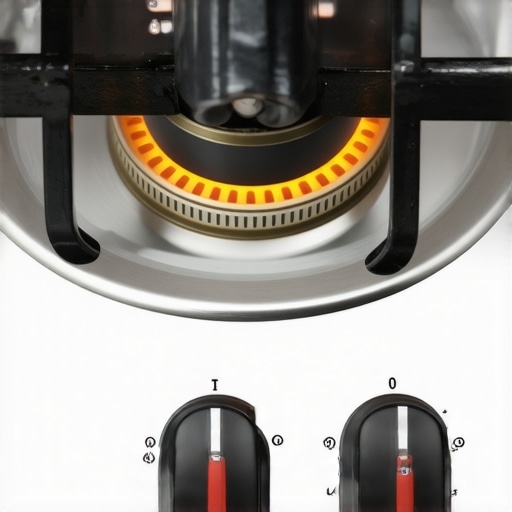
I remember the exact moment I realized my electric stove was more of a hazard than a helper. I was simmering some soup when suddenly, the burner refused to turn off, even when I tried to dial it down to the lowest setting. That pan stayed hot, and so did my nerves. It was a lightbulb moment—these appliances can be more stubborn and dangerous than we give them credit for. Have you faced this frustrating issue?
Dealing with a Stubborn Burner: What’s Really Going On?
It’s unsettling when your stove refuses to behave. Your first instinct might be to panic or immediately call in a repair technician. But understanding the underlying cause can save you time and money—and keep your home safe. Today, I’ll walk you through the common reasons why your electric range burner won’t turn off, even on the low setting, and how to address this issue safely and effectively.
Is This Problem Actually a Big Deal?
Initially, I thought it was just a minor glitch, maybe dirt or a jammed switch. But ignoring it can lead to energy waste or, worse, fire hazards. I made the mistake early on of trying to fix it without proper knowledge, which only worsened the problem. Rushing to tamper with appliances without understanding their innards can cause more harm than good. Trust me, knowing the right steps is essential for safety and efficiency.
Power Down Safely Before Handling
Always unplug your stove or turn off the circuit breaker to prevent electrical shocks. During my last repair, I flipped the breaker to ensure no power was flowing. This step is like turning off a water valve before fixing a leak—crucial for safety. Once powered down, double-check with a voltage tester if necessary. Skipping this can lead to dangerous situations or damage to your appliance.
Access the Control Module and Burner Switches
Remove the control panel or cooktop cover carefully, using a screwdriver. In my case, unscrewing the part revealed the switch assembly behind the burners. Think of it as opening a device’s ‘brain’ to see what’s causing the problem. Keep track of all screws and parts to avoid confusion during reassembly. Without proper access, diagnosing and fixing is near impossible.
Identify the Faulty Switch or Relay
Look for signs of corrosion, burn marks, or stuck components—these are common culprits. I noticed a damaged relay that was stuck in the ‘on’ position, making the burner stay hot. Use a multimeter to test continuity; if the relay doesn’t close or open correctly, it needs replacing. This precise diagnosis prevents unnecessary part swaps and saves time.
Replace the Faulty Component
Order the correct replacement part, ensuring compatibility with your stove model. I matched the relay part number and ordered it online—think of this as finding the right key for a lock. Before installing, compare the new part with the old one to confirm correctness. Connect the new relay or switch firmly, ensuring secure contacts to prevent future failures.
Reassemble and Test
Carefully put all panels and covers back in place, then restore power. Turn on the stove to check if the burner now turns off properly. I ran a test by setting the burner to low and then turning it off; it shut down as expected. Observe for any unusual sounds or heat, and if symptoms persist, re-examine connections. Proper reassembly is like closing a book—every piece must be in its rightful place for smooth operation.
Verify Safety Measures and Warranty Coverage
After repairs, ensure no exposed wires or loose parts remain. Document the repair process with photos—these can be valuable if you need to claim warranty support or insurance later, like I did when my first attempt failed. Remember, consulting the warranty guidelines or contacting a professional may be wise if you’re unsure about any step. Reliable repairs extend your appliance’s lifespan and keep your home safe, so don’t cut corners.
Many homeowners operate under misconceptions about how appliances should be installed, repaired, and covered by warranties. A common myth is that once an appliance is installed professionally, there’s little need to worry about follow-up maintenance or the nuances of warranty coverage. However, neglecting these details can lead to costly mistakes. For example, not registering your appliance or misinterpreting warranty coverage terms often results in denied claims or limited support during emergencies.
Another overlooked aspect is the importance of choosing same-day service providers. While some believe it to be a luxury, in reality, prompt repairs can prevent minor issues from escalating into major, expensive repairs. Interestingly, many think that any technician will do, but experts emphasize the value of technicians who are certified, experienced, and backed by warranty-support programs. Rushing with unqualified repair services may void existing warranties or cause further damage.
Let’s not forget the critical nuance regarding appliance installation. Improper setup—such as incorrect leveling or poor electrical connections—not only affects performance but can also void the manufacturer’s warranty. According to a recent study by the Appliance Maintenance Institute, up to 40% of warranty claims are denied because of incorrect installation procedures. This highlights the necessity of understanding the fine print and ensuring that installers adhere to manufacturer guidelines.
Beyond installation, the myths surrounding warranty coverage often trap homeowners into believing accidental damages are covered, which is rarely true. Most warranties exclude damage from misuse, neglect, or improper installation. As a result, homeowners should be proactive and thoroughly read warranty policies; some companies even offer extended warranties that cover certain repairs beyond standard terms. For instance, checking out warranty-backed services and their coverage can save you a lot in the long run, especially during urgent situations.
In essence, knowledge about these nuanced aspects can significantly impact your appliance’s longevity and your savings. Take time to understand your warranty, trust experts for installation and repairs, and prioritize same-day service when immediate action is needed. Curious to learn more about how to leverage warranty benefits effectively? Visit [here](https://discountappliancehub.com/maximize-your-appliance-warranty-during-emergency-repairs) for valuable tips. Have you ever fallen into this trap? Let me know in the comments.
Tools I Recommend for Reliable Appliance Maintenance
Keeping your appliances running smoothly over time requires the right set of tools and a disciplined approach. Personally, I rely heavily on a quality multimeter like the Fluke 117 to diagnose electrical issues accurately. Its true RMS capability ensures precise voltage and continuity measurements, which are vital in identifying faulty switches or relays—common culprits in appliances that won’t turn off. Additionally, I swear by a digital infrared thermometer such as the Fluke 62 MAX to spot overheating components before they fail. This non-contact tool allows me to quickly scan parts and catch problems early, saving time and money.
For cleaning and preventive maintenance, I use a detailed service manual specific to each appliance model. These manuals often contain troubleshooting flowcharts and wiring diagrams that are invaluable when diagnosing complex issues. Coupling these with a set of small, precision screwdrivers and plastic pry tools enables me to disassemble and reassemble units without risking damage.
Software-wise, I favor diagnostic apps that can interface with smart appliances via Wi-Fi. For example, Samsung SmartThings or LG ThinQ apps can alert you to error codes and even perform routine resets remotely. This integration allows me to catch issues early and schedule repairs proactively.
Where Is This Trend Going in the Future?
Looking ahead, I anticipate an increased adoption of IoT-enabled diagnostic tools that provide real-time performance metrics and predictive maintenance alerts. Companies are developing devices that monitor appliance health continuously and notify homeowners of impending failures—think of it as a doctor for your appliances. This shift will make maintenance more predictive than reactive, reducing downtime and repair costs significantly.
How Do I Maintain My Appliances Over Time?
Establish a regular maintenance schedule that includes cleaning filters, checking seals, and inspecting power cords. Using a multimeter to test electrical connections quarterly helps catch issues before they escalate. Also, always refer to your appliance’s specific service manual for recommended maintenance intervals and troubleshooting tips. Remember, timely repairs and preventive care extend appliance lifespan substantially. If you’re unsure about performing complex diagnostics, it’s wise to consult professional technicians who offer warranty-backed services that ensure quality and peace of mind.
If you’re interested in advanced maintenance strategies, try implementing infrared temperature checks after routine cleaning. This simple step can reveal hidden overheating problems early, as recommended by experts in appliance diagnostics. Take action today—your appliances will thank you, and your wallet will too!
The Hardest Lesson I Learned About appliance repair, installation, warranty, and same-day service
One unexpected insight I gained was how crucial proper installation is—skipping professional setup can void warranties and cause recurring issues. Trust me, it’s worth investing in certified technicians to avoid costly mistakes down the line.
3 Myths About warranty, appliance repair, and urgent service That Held Me Back
I used to believe that warranties covered everything and that any repair service would suffice—turns out, not all technicians have the same qualifications. Rushing for quick fixes often led to more problems and longer downtimes, so always seek certified experts backed by warranty support.
What Experts Won’t Tell You About warranty, installation, and same-day repairs
Most of us overlook the fine print in warranties—many exclude damages caused by improper setup or neglect. Understanding this helped me advocate for better service, ensuring my appliances get the best care and maintaining coverage during emergencies.
My Essential Toolkit for appliance repair, warranty, and quick fixes
I rely on a reliable multimeter like the Fluke 117 for accurate diagnostics, and I keep detailed repair manuals specific to my appliances. Knowing the right tools and resources saves me time and prevents unnecessary expenses—plus, certified repair services ensure lasting results.
Where to Go from Here
Educate yourself on warranty terms, seek professional installation, and stay proactive with preventive maintenance. Taking these steps extends your appliance lifespan, enhances safety, and supports timely, same-day repairs when needed. For trusted, warranty-backed services, visit here—your future self will thank you!