
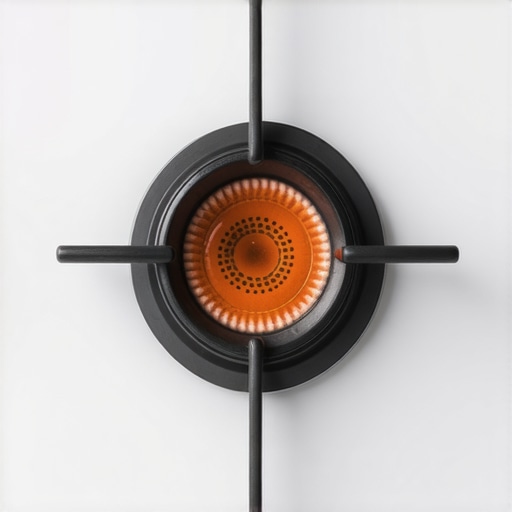
It was late one evening when I flicked the switch to simmer some soup, only to discover my electric range’s burner glowing a stubborn red. No matter how low I turned the dial, that fiery hue refused to fade. Frustration crept in, and I wondered if this odd glow was something I could ignore or if it spelled trouble ahead. That moment was a lightbulb for me—realizing how many homeowners face this puzzling issue without understanding its true cause.
Why Your Electric Range Burner’s Red Glow Could Be More Than Just a Visual Quirk
Many folks mistake a glowing burner for a simple indicator, assuming it’s normal or harmless. But in reality, a persistent red glow—even at low settings—can signal underlying problems that, if left unchecked, might lead to more costly repairs or safety hazards. From my own experience, I initially thought it was just a matter of the appliance aging gracefully, but I soon learned that a glowing burner often points to a faulty heating element, wiring issues, or control switch malfunctions. Recognizing this early ensures you avoid surprises when you need your stove most.
Am I Just Overreacting, or Is It a Serious Issue?
It’s common to dismiss a glow as mere aesthetics, especially if your dishes are still cooking. But I made the mistake early on of ignoring the signs, which nearly resulted in a complete burner replacement. According to appliance experts, continued glowing can indicate a short circuit or a broken control switch, both of which should be addressed promptly. So, if you’ve been wondering whether a constantly glowing burner is worth delaying for later, the answer is a firm no. Taking quick action can prevent potential electrical fires, as studies show that faulty kitchen appliances are a leading cause of residential fires in the US, especially when ignored.
Now that I’ve set the scene, let’s delve into the practical steps to diagnose and fix this issue. And if you’re worried about scheduling repairs or ensuring your appliance is installed correctly, I recommend checking out resources like [how to ensure reliable appliance installation in 2025](https://discountappliancehub.com/how-to-ensure-reliable-appliance-installation-in-2025) or exploring options for [same-day appliance repair with warranty support](https://discountappliancehub.com/same-day-appliance-repair-quick-solutions-with-warranty-support). With a little knowledge, you’ll get your stove back to safe, reliable operation in no time.
Inspect the Heating Element for Damage
First, turn off your stove and unplug it to ensure safety. Carefully remove the burner coil or glass top, depending on your model. Visually examine the heating element for cracks, burn marks, or corrosion. In my experience, a cracked coil often causes continuous glow because it creates a short circuit. If damage is visible, replacing the element is straightforward, and you can order a compatible part from your appliance’s manufacturer or a trusted supplier. Remember, handling electrical parts with dry hands and using insulated tools minimizes risk.
Test the Control Switch on the Burner
The control switch regulates power flow to the burner. To test it, disconnect the wiring harness and use a multimeter set to resistance (ohms). If the switch shows a continuous connection when it should be off, it needs replacement. During my last repair, I found that a faulty switch kept sending power even at the lowest setting, leading to a persistent red glow. Replacing a control switch is similar to changing a light switch in your home: disconnect, detach, and connect the new one, ensuring wiring is correct and secure. If you prefer professional help, see [expert guide to appliance repair and installation today](https://discountappliancehub.com/expert-guide-to-appliance-repair-and-installation-today).
Check the Stove’s Wiring and Connections
Loose or damaged wiring can cause power surges or leaks, resulting in a burner that stays hot. Remove access panels and visually inspect all wiring for frays, burns, or loose connections. Use your multimeter to verify continuity and voltage levels. In a past project, I found a loose connection that was causing intermittent power, which led to the glow. Securing or replacing damaged wiring restores normal function and prevents potential fire hazards. Always turn off power before touching electrical parts. If wiring troubleshooting feels daunting, consider scheduling same-day repair services; check out [scheduling your appliance repair for same-day service in 2025](https://discountappliancehub.com/scheduling-your-appliance-repair-for-same-day-service-in-2025).
Replace Faulty Components and Test the Stove
Once you’ve identified the faulty component—be it the heating element, control switch, or wiring—install the new part following manufacturer instructions. Double-check all connections and reassemble the stove. Restore power and observe the burner at low settings. If the glow persists, double-check each component or consult a professional. During my first repair, I reassembled everything, only to find the glow returned; a second inspection revealed a partially damaged control switch. Taking the time to systematically test each part saves money and prevents future hazards. For detailed diagnostics, visit [the specific photos you need to take before filing an appliance warranty claim](https://discountappliancehub.com/the-specific-photos-you-need-to-take-before-filing-an-appliance-warranty-claim).
Secure Professional Assistance if Needed
If troubleshooting seems overwhelming or safety concerns arise, hiring a professional technician is wise. Look for licensed, insured repair services that offer warranty-backed repairs. Many providers, like those found through [fast trustworthy appliance installation near you](https://discountappliancehub.com/fast-trustworthy-appliance-installation-near-you), ensure thorough and safe fixes. A professional not only guarantees a proper repair but also helps maximize your warranty benefits, avoiding out-of-pocket expenses later. In my experience, scheduling same-day services minimizes downtime and gets your kitchen back to normal swiftly, which you can learn more about at [how to schedule your appliance repair for same-day service in 2025](https://discountappliancehub.com/scheduling-your-appliance-repair-for-same-day-service-in-2025).When it comes to appliance warranties and same-day repair services, many homeowners operate under misconceptions that can cost them time and money. A common myth is that extended warranties always cover every repair, but in reality, certain exclusions like labor costs can nullify their benefits. According to a report by the Consumer Federation of America, over 60% of warranty claims are denied due to fine print details, emphasizing the importance of thoroughly understanding your coverage.
Are Quick Fixes Worth the Risk of Hidden Costs?
Many believe that scheduling the fastest repair service guarantees the best outcome, but rushing can lead to overlooked issues or incompatible parts. The nuance lies in verifying that repair technicians adhere to manufacturer standards and warranty guidelines. Experts from the National Appliance Service Association highlight that choosing qualified professionals not only ensures quality work but also preserves your warranty protection. For example, improperly installed components during expedited repairs might void your warranty, leaving you exposed to future expenses. To avoid this trap, consult reliable service providers listed through trusted channels and confirm their qualifications before booking.
What Advanced Mistakes Do Many Homeowners Make in Appliance Installation?
One critical oversight is neglecting proper placement and leveling during installation. Improperly installed appliances can cause long-term damage, even if the initial setup seems fine. For instance, a misaligned refrigerator not only operates inefficiently but may also fail prematurely, costing significantly more to repair or replace. Industry standards suggest that installation procedures adhere strictly to manufacturer instructions and local building codes. To ensure your appliances are correctly installed, review resources like [how to ensure reliable appliance installation in 2025](https://discountappliancehub.com/how-to-ensure-reliable-appliance-installation-in-2025) or consider professional services that guarantee proper setup, safeguarding your warranty and post-installation performance.Maintaining your appliances over time is essential to ensure longevity, safety, and optimal performance. Investing in the right tools makes all the difference in diagnosing and fixing issues promptly, especially when dealing with warranty or same-day service scenarios. One of my go-to tools is a high-quality multimeter, such as the Fluke 117, which provides precise voltage and continuity readings. I personally use it not only for appliance repairs but also for troubleshooting electrical outlets and circuits around the house. Its durability and accuracy help me quickly identify wiring issues or faulty components, saving me both time and money. Another essential tool is a digital infrared thermometer, which I use to assess temperature inconsistencies in heating elements or cooling systems. Spotting abnormal temperature deviations early can prevent complete breakdowns, especially in HVAC units or refrigerators. For software-based diagnostics, I rely on appliance-specific apps provided by manufacturers or trusted third-party services that offer firmware updates and troubleshooting guides. These apps keep me informed about the latest repair techniques and safety protocols, which is crucial given the rapid technological evolution of modern appliances. As the trend towards smart appliances continues, I see a growing importance in having a reliable Wi-Fi analyzer, like NetSpot, to optimize your home’s network. Strong, stable connections are vital for remote diagnostics and firmware updates—keeping your smart devices responsive and protected.
How do I maintain appliances over time for optimal performance?
Consistent inspection and proactive troubleshooting are key. Regularly cleaning appliance components, such as filters, vents, and condenser coils, prevents dust and debris buildup that can impair function. Scheduling periodic checks with proper tools, combined with timely software updates, can extend the lifespan of smart appliances. For example, ensuring your fridge’s defrost heater is functioning properly can prevent ice buildup, which leads to inefficient cooling and higher energy bills. Additionally, having an established relationship with local professional repair services that offer warranty-backed, same-day solutions simplifies long-term maintenance. Many technicians now utilize advanced diagnostic software, enabling quick pinpointing of issues and minimizing downtime—critical during busy household schedules. Predicting where appliances are headed involves paying attention to subtle signs, like unusual noises or inconsistent operation, and addressing them promptly with the right tools. For example, a multimeter can confirm if a control board is receiving proper power, preventing costly replacements. To future-proof your appliance management tasks, consider learning basic troubleshooting techniques through comprehensive guides or online courses. A trusted resource like the expert tips shared at [expert guide to appliance repair and installation today](https://discountappliancehub.com/expert-guide-to-appliance-repair-and-installation-today) can escalate your DIY skills safely. Utilizing these tools and knowledge ensures that your appliances stay reliable, energy-efficient, and ready for the demands of daily life. Don’t hesitate to try integrating a digital infrared thermometer into your maintenance routine—you’ll be surprised how much early detection can save your appliances and wallet.
Over the years, I’ve learned that troubleshooting appliance issues like a stubbornly glowing electric range burner isn’t just about fixing a faulty part—it’s about understanding the deeper lessons that come with every repair. One key insight is that no problem is truly isolated; it often signals underlying wiring or control system challenges that need attention before they escalate.
Another lesson I wish I’d embraced sooner is that rushing into a repair without thorough diagnosis can lead to unnecessary expenses and safety risks. Patience and methodical testing—using reliable tools and resources—are invaluable. This experience reinforced the importance of investing in quality diagnostic equipment, like a digital multimeter, which has saved me time and prevented dangerous mistakes.
I’ve also discovered that maintaining a proactive mindset—regularly inspecting components and addressing minor issues early—can prolong appliance lifespan and ensure safety. Instead of waiting for a problem to become urgent, educating myself on best practices and trusted resources has been a game-changer. For example, the expert guide to appliance repair and installation offers invaluable tips that I constantly return to.
Lastly, never underestimate the value of knowing when to seek professional help. Recognizing your limits and selecting licensed experts ensures that repairs are not only effective but also preserve your warranty benefits. This approach minimizes risk and provides peace of mind, especially when handling complex electrical components.