
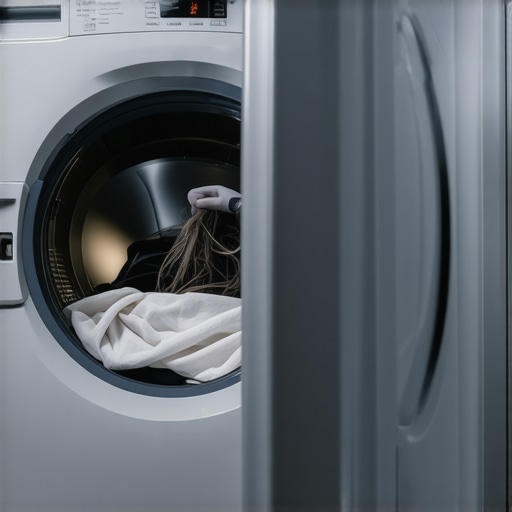
Have you ever opened your dryer door only to be hit with a strange, unpleasant smell—like burning hair? I had that exact moment a few weeks ago, and let me tell you, it was alarming. At first, I thought maybe I left too much lint or a cleaning product inside, but the smell persisted and worsened. That lightbulb moment made me realize I couldn’t ignore it anymore. Little did I know, this common issue could be a safety hazard if left unaddressed.
Why Your Dryer Smells Like Burning Hair Could Be More Than Just Annoying
Due to my own experience, I want to share what I learned and help you troubleshoot your dryer. The smell of burning hair isn’t just a weird odor; it might indicate serious internal problems, like overheating components or lint buildup, which can spark a fire if ignored. According to the U.S. Fire Administration, dryers are among the leading appliances responsible for home fires, often caused by lint fires from inadequate maintenance.
Have you faced this pungent, unsettling smell from your dryer? If so, you’re not alone—and there’s good news. In the following sections, I’ll walk you through the steps I took to identify and fix the problem safely. Whether it’s clogged vents, worn-out parts, or something else, resolving this quickly can save your home and ensure your dryer runs smoothly.
Is the Burning Hair Smell Actually Worth the Hype?
Early on, I made the mistake of ignoring the smell, thinking maybe I just had a bad load. Trust me, that was a rookie error. I learned the hard way that neglecting unusual odors can lead to bigger, costlier issues, including appliance failure or even dangerous fires. It’s always better to be cautious—so don’t dismiss that strange smell as just a “bad day”.
Now that we understand the potential dangers, let’s move into practical steps you can take to diagnose and fix your dryer—so you can get back to laundry without fear. But first, I want to make sure you’re aware of common mistakes, like skipping vent cleaning or using incompatible dryer sheets, which can contribute to these problems. For more tips on maintaining your appliances, check out [3 maintenance moves to triple your refrigerator’s lifespan](https://discountappliancehub.com/3-maintenance-moves-to-triple-your-refrigerators-lifespan). Get ready, because relief is just a few steps away.
Inspect the Dryer Vent and Exhaust Hose
Start by unplugging your dryer and moving it away from the wall to access the vent and exhaust hose. Remove the hose and check for lint buildup or obstructions, which can cause overheating and emit a burning smell. Use a vacuum or a brush to clear out any debris, and if the vent is clogged, clean it thoroughly. I once found a massive lint clog blocking my vent, which significantly reduced the smell after cleaning. Regularly inspecting these parts prevents fire hazards and odors.
Check the Drum and Internal Components
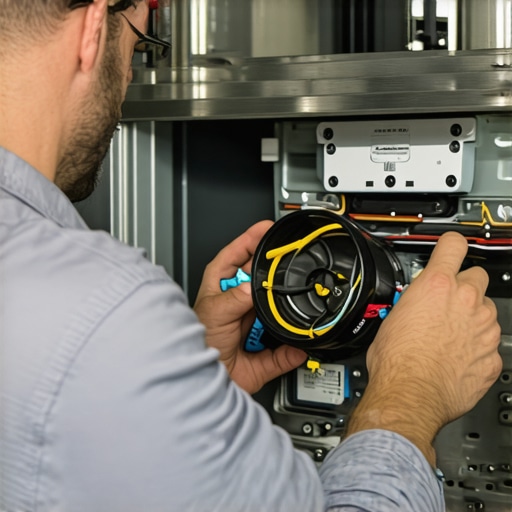
Next, open the dryer’s panel to examine the heating element, thermostat, and drum rollers. Look for signs of wear, melting, or charring—these indicate overheating parts. For example, during my own repair, I found a worn heating element that was causing the smell. Using a multimeter, test the electrical continuity of these parts. Replacing faulty components with the right tools, like a screwdriver and multimeter, restores safe operation. Remember, faulty parts can cause overheating that leads to smells and potential fires.
Clean the Lint Trap and Filter
Even if you cleaned the vent, a dirty lint trap can cause airflow restriction and overheating. Remove the lint trap, scrub it with warm soapy water, and dry thoroughly before reinstalling. Check for aftermarket filters that might not fit properly, as they can trap lint and restrict airflow. I once installed a cheap aftermarket filter, which caused lint buildup and the smell. Regular cleaning of the lint trap is a simple yet crucial step to prevent overheating.
Ensure Proper Installation and Leveling
An improperly installed or unlevel dryer can vibrate excessively, leading to wear in internal parts and smells. Use a level to check the appliance and adjust leveling feet accordingly. I once misaligned my washer, leading to unusual noises and odors that disappeared after leveling it. Proper installation also involves connecting the vent correctly—avoid the common installation mistakes that void warranties or cause operational issues.
Replace Worn or Damaged Parts
If you spot damaged heating elements, thermostats, or electrical connections, replace them promptly. Always disconnect power before working inside the dryer. For complex diagnostics, consider consulting a professional or referring to your appliance’s manual. During my own repair, replacing a burnt-out thermostat eliminated the smell entirely, saving me from potential fire hazards. Using genuine replacement parts ensures your dryer functions safely and efficiently.
Perform a Test Run and Monitor
After reassembling, run the dryer empty on a high heat cycle for 20 minutes. Watch for unusual noises, excessive heat, or smoke. Smell the exhaust air to check if the burning odor persists. A successful test with no smells indicates a safe, clean dryer. If odors return, revisit the previous steps—sometimes, lingering residues require additional cleaning or part replacement.
Prevent Future Odors with Routine Maintenance
Implement regular checks every 3-6 months. Clean the lint trap after each load, inspect and clean the vent annually, and replace worn parts as needed. Also, avoid using heavily scented dryer sheets that can leave residues. These habits keep your dryer running smoothly and smelling fresh, preventing hazardous smells like burning hair from reappearing.
 While many homeowners assume that appliance warranties, installation services, and repair plans are straightforward, the truth is more nuanced. A frequent mistake is believing that manufacturer warranties automatically cover all repair costs. In reality, most warranties have strict exclusions, such as damage caused by improper installation or the use of incompatible accessories. For example, using aftermarket dryer filters—even if they seem convenient—can void parts of your warranty, increasing your out-of-pocket expenses if repairs are needed. It’s essential to read and understand your warranty terms thoroughly.
Another widespread misconception involves installation services. Many think that professional installation guarantees perfect operation, but an improper setup can lead to recurring issues. For instance, incorrect leveling or poor venting can cause appliances to work inefficiently or even break down prematurely. One common trap is neglecting to verify that installers follow the manufacturer’s guidelines, such as ensuring correct spacing or secure connections. Visit [the improper drain line installation that voids your new washer warranty](https://discountappliancehub.com/the-improper-drain-line-install-that-voids-your-new-washer-warranty) to learn what pitfalls to avoid.
Additionally, homeowners sometimes believe that same-day repair services always fix problems instantly. While convenient, this assumption neglects factors like technician availability, appliance complexity, and diagnostic accuracy. Rushing to repair without proper diagnosis can result in temporary fixes that re-emerge later, leading to higher costs and inconvenience. Advanced issues, like faulty thermostats or control boards, require precise troubleshooting—something not always achievable during a quick visit.
Why is it dangerous to assume that all appliance repairs are straightforward?
Let’s dig deeper. Many people underestimate the importance of understanding the root cause of appliance issues. For example, a persistent smell or leak might seem minor but can indicate serious internal faults, such as a failing compressor or blocked drainage. Ignoring these signs or attempting DIY fixes without proper knowledge can lead to further damage, ultimately voiding warranties or causing safety hazards. Experts emphasize that a comprehensive diagnostic is often necessary before any repairs are attempted. According to appliance safety research, improper repairs or neglecting warranty stipulations can significantly increase fire risk or cause more extensive damage over time.
Furthermore, some assume that warranties cover even damage caused by user errors or neglect. This is misleading. Most warranties specify that damage resulting from improper use or maintenance—like ignoring regular cleaning or using incompatible detergents—quickly voids coverage. Poor maintenance, such as skipping routine vent cleaning, not only shortens appliance lifespan but also increases repair costs—sometimes surpassing warranty protections.
To avoid these pitfalls, always review your warranty terms carefully, prioritize professional installation, and seek diagnostic assessments from qualified technicians. For instance, being aware of how to properly level your washer with the [leveling trick that stops your front loader from walking](https://discountappliancehub.com/the-leveling-trick-that-stops-your-front-loader-from-walking) can prevent issues from arising in the first place. Ready to ensure your appliances work flawlessly and stay protected? Stay vigilant, and don’t fall into common traps.Maintaining your appliances over time is essential for ensuring long-term reliability and safety. One of my go-to tools is a high-quality multimeter, which I use daily to test components like thermostats and heating elements. It’s a small investment that pays off by helping me diagnose issues accurately without unnecessary part replacements. Additionally, I rely on a flexible dryer vent cleaning brush, specifically designed to navigate tight bends, making my annual vent inspections quick and thorough. This proactive approach not only prevents dangerous lint buildup but also maintains optimal airflow, extending the lifespan of the appliance.
For appliance diagnostics, I favor specialized software like appliance-specific LED diagnostic lights, which I connect to control boards to identify error codes swiftly. For example, a quick glance at the codes from my refrigerator’s control panel often reveals issues with sensors or fans, guiding my repair process efficiently. As these diagnostic tools become more advanced, they offer predictive insights that help catch problems before they escalate.
Looking ahead, I predict that integrating Internet of Things (IoT) sensors into appliances will become standard. These sensors could monitor performance metrics in real-time and alert homeowners to early signs of failure through smartphone notifications, like detecting irregular heat levels in dryers or fluctuating compressor voltages in refrigerators. Embracing these innovations will shift appliance maintenance from reactive to proactive, saving homeowners time and money.
How do I maintain appliances over time? Regular cleaning is the key—think beyond the obvious. For instance, routinely inspecting the drain pump of your washing machine can prevent unexpected breakdowns. If you notice a foul smell despite cleaning, it might be due to a clogged drain pump, and checking this component with a simple inspection can save you a service call. For example, many people overlook the importance of clearing the drain hose, which can become clogged with detergent residue or debris, leading to leaks or odors. For detailed guidance, check out [the drain pump issue that can flood your laundry room](https://discountappliancehub.com/the-drain-pump-mistake-that-floods-your-laundry-room).
Another crucial aspect is verifying proper appliance installation using precise leveling techniques. A misaligned washer can vibrate excessively, causing internal damage and smells. I recommend using a digital level for accuracy, especially on uneven floors. The initial setup you do can prevent years of headaches. Remember, proper leveling not only ensures safety but also optimizes performance.
When it comes to long-term results, keeping a maintenance log is invaluable. Documenting every inspection, part replacement, and cleaning task helps you track patterns and anticipate future issues. I personally note the date and details of vent cleanings, filter changes, and sensor checks—details that come in handy during repairs or warranty claims.
To truly stay ahead, consider investing in a thermal imaging camera. These devices allow you to spot overheating spots inside your appliances before they become obvious problems. I use mine to check for hotspots in my dryer or refrigerator coils, which can indicate impending system failures. As technology advances, access to such diagnostic tools will become more affordable, making home maintenance smarter.
Remember, routine maintenance isn’t just about fixing problems; it’s about preserving the value and safety of your appliances. A well-maintained appliance runs more efficiently, consumes less energy, and has fewer unexpected breakdowns. Don’t wait until that burning smell returns—be proactive with your appliance care.
 An image showcasing a homeowner inspecting a washing machine’s drain pump with a flashlight and magnifying glass, emphasizing hands-on maintenance for longevity, with alt text “Homeowner inspecting washing machine drain pump” and title “Routine Appliance Maintenance”.
The Hidden Costs of Overlooking Routine Checks
One of the most eye-opening lessons I learned was how neglecting simple maintenance tasks, like cleaning the lint trap or inspecting the vent, can lead to costly repairs or even hazardous fires. These small steps, such as regularly checking the drain pump or leveling your washer properly, can save you a lot of trouble down the line.
Why Manufacturer Warranties Aren’t Foolproof
I realized that warranties often have fine print exclusions, especially if installation isn’t done correctly or aftermarket parts are used. For instance, installing an aftermarket dryer filter might seem convenient, but it can void your warranty. Always read your warranty details and consult professionals for proper setup to keep your coverage valid.
The Myth of Instant Repairs and Same-Day Service
While same-day repair sounds ideal, I found that rushing repairs without proper diagnosis leads to repeated issues. Sometimes, scheduling a thorough inspection with an experienced technician is the smarter choice, ensuring the root problem is addressed rather than just the symptoms.
Beyond DIY: Knowing When to Call a Pro
Attempting complex repairs without proper tools or knowledge can cause more damage. For example, testing internal components like thermostats or heating elements with a multimeter requires safety precautions and expertise. Recognizing your limits and trusting professionals can prevent unnecessary expenses and safety hazards.
My Go-To Resources for Smarter Maintenance
Over time, I’ve relied on trusted tools and guides, like detailed manuals and diagnostic tools, which have made troubleshooting much easier. I recommend tools such as a digital level for leveling appliances, and reading specialized blogs or guides for appliance-specific tips. Regularly updating your knowledge helps you catch issues early and maintain your appliances efficiently.
The Power of Preventive Mindset
Ultimately, adopting a proactive attitude toward appliance care—like routine vent cleaning, inspecting connections, and managing water quality—transforms maintenance from a chore into a safeguard for your home. Small habits, like monitoring unusual noises or odors, can alert you to problems before they escalate, keeping your appliances and your family safe.
Where Will Your Maintenance Journey Take You Next?
Taking these lessons to heart means your appliances will serve you better and last longer. Remember, the best defense is knowledge—and a willingness to act before small issues become big disasters. Regularly revisit your maintenance routines and stay informed with trusted resources. Your home and your peace of mind will thank you.