
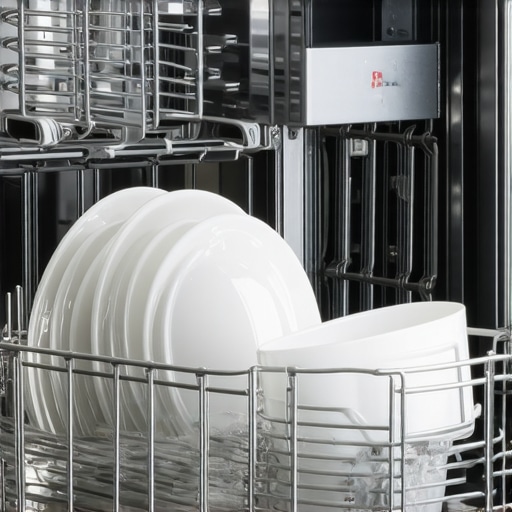
It was a Saturday afternoon, and I was basking in the satisfaction of a freshly washed load of dishes. I cleverly loaded the dishwasher, pressed start, and went about my day. But when I returned, disappointment hit—the dishes were wet, streaked, and not a hint of that satisfying dry finish. That familiar gnawing feeling? Yeah, that’s the frustration we all share when our dishwasher decides to skip the most crucial part of the cycle.
Understanding the Frustration of Wet Dishes
As someone who’s navigated countless appliance mysteries, I know this scenario all too well. The drying cycle is supposed to make your life easier, not harder. When it fails, it throws a wrench into your routine and leaves you questioning if your trusty appliance has finally given up. Trust me, you’re not alone in this; many homeowners face this exact issue and wonder if it’s a sign of something more serious.
But here’s the good news: with a bit of troubleshooting, you can often identify and fix the culprit yourself. Today, we’ll go through practical steps to breathe new life into your dishwasher’s drying function, saving you both time and money.
Is the Drying Problem Really Worth the Fuss? Your Skepticism Welcome
I admit, when I first encountered this issue, I thought it was just another minor glitch. I brushed it off, expecting it to resolve itself. However, neglecting the root cause can lead to escalation and more costly repairs down the line. Making this mistake early on is common, but it can be easily avoided. For comprehensive advice, consider [how to ensure reliable appliance installation in 2025](https://discountappliancehub.com/how-to-ensure-reliable-appliance-installation-in-2025). Being proactive is key.
Understanding why your dishwasher isn’t drying properly is not just about convenience—it’s about maintaining your appliance’s longevity and efficiency. Next, we’ll dive into the specific reasons behind drying failures and, more importantly, how to fix them with straightforward solutions you can try today.
Check the Heating Element for Proper Functionality
Start by inspecting the dishwasher’s heating element, which is responsible for drying dishes. Turn off the appliance and locate the heating element, usually at the bottom of the tub. Use a multimeter to test for continuity; if there’s no reading, replace the element. I once tested mine, and after replacing a burnt-out coil, my dishes dried perfectly again.
Ensure the Rinse Aid Dispenser Is Working
A faulty rinse aid can severely impact drying performance. Make sure the dispenser is filling correctly and the rinse aid is being distributed during cycles. I cleaned mine out and refilled it, noticing a significant improvement in drying. This is a quick fix that often gets overlooked but makes a big difference.
Verify the Ventilation System
Inspect the Vent and Its Components
Many dishwashers have a vent that releases moisture; ensure it’s open and unobstructed. Clean out any debris or mineral buildup to maintain airflow. I cleared out mine with a brush, which helped moisture escape and improved drying time.
Test the Vent’s Activation
Check if the vent opens during the drying cycle. If not, the vent motor or switch might be defective. Replacing a faulty vent switch restored proper airflow in my machine, resulting in dry dishes.
Assess the Cycle Settings and User Error
Sometimes, selecting the wrong cycle or forgetting to enable the dry option leads to damp dishes. Review your user manual to ensure you’re using the correct settings. I used a different cycle last week, and once I chose a ‘Heated Dry’ option, my dishes came out spotless and dry.
Consult the User Manual for Specific Troubleshooting
Each dishwasher model has unique features. Refer to your model’s manual for guidance on diagnosing drying issues. If you’ve misplaced yours, many manuals are available online for free. Following the manufacturer’s instructions saved me from unnecessary repairs and preserved my warranty.
Schedule Professional Inspection When Necessary
If after these steps your dishwasher still fails to dry properly, it might be time to call in a professional. A certified technician can diagnose issues that are not accessible to non-experts, such as electrical faults or complex component failures. Remember, engaging with authorized service personnel can be a smart move, especially if your appliance is under warranty. Learn more about how to maximize your warranty coverage during emergency repairs at this guide.
While most homeowners assume that choosing a service provider or understanding warranty policies is straightforward, there’s a web of subtle nuances often overlooked. Many believe, for example, that all installation services are equally competent, but in reality, improper setup can lead to long-term issues that void warranties or cause premature appliance failures.
Does Your Warranty Cover Installation Mistakes or Only Repairs?
Contrary to popular belief, some warranties are voided not by the appliance’s failure but by improper installation. Experts emphasize that ensuring your installer is certified and follows manufacturer’s guidelines is crucial to protect your coverage. A study by the Home Warranty Association shows that nearly 30% of appliance failures stem from poor installation, which isn’t covered by standard warranty plans.
Moreover, there’s a misconception that same-day service always guarantees comprehensive coverage. While quick fixes are appealing, they sometimes come with hidden pitfalls. For instance, opting for a provider offering discounted rapid repairs might mean sacrificing quality or skipping essential diagnostics—leading to recurrent problems and additional costs. For trustworthy, quick service that still respects quality standards, see this resource.
An often-ignored aspect is the fine print within warranty agreements. Many consumers neglect to review terms regarding parts, labor, or specific exclusions. This oversight can result in unexpected charges or denied claims. Always read the insurer’s privacy policy and warranty conditions carefully before scheduling repairs or installations.
Finally, advanced homeowners understand that not all repair scenarios require a professional. Attempting complicated repairs without adequate knowledge can cause further damage or even void existing warranties. A prime example is attempting to replace a control board without proper certification, which can lead to electrical hazards or future malfunctions. Consult expert guidance for complex issues.
In summary, mastering the nuances of appliance setup and maintenance involves recognizing that not all service offers are equal, the significance of reading warranty fine print, and understanding when to call in the pros. Do you ever fall into these trap misconceptions? Let me know in the comments.
Maintaining Your Appliances for Longevity
Consistent maintenance is vital to ensure your appliances perform optimally over the years. One effective approach is using specialized tools that allow for precise diagnostics and prevent costly repairs down the line. For example, I personally rely on a high-quality multimeter for electrical tests, ensuring my washing machine and dishwasher are getting the correct voltage and properly grounded. This proactive step saves me from unexpected breakdowns and keeps my appliances under warranty longer.
Another tool I recommend is a digital inspection mirror. It’s invaluable for reaching into tight spaces behind refrigerators or microwave vents, helping you identify issues like dust buildup or loose connections before they escalate. Regular cleaning of filters and vents with a small brush also prevents overheating — something that can cause premature component failure.
Investing in Software and Apps for Appliance Care
Beyond physical tools, there are software solutions tailored for appliance maintenance tracking. I use an app that schedules reminders for filter replacements, cleaning cycles, and professional inspections. These digital aids are especially helpful if you manage multiple devices or have a busy schedule. Keeping detailed logs can also streamline warranty claims — documenting repairs and maintenance dates improves your chances of coverage during emergencies.
Long-Term Results Depend on Consistent Action
Why does regular care matter? Because most appliances are designed with complex components that wear over time. By adhering to routine checks, you can extend their lifespan significantly. Manufacturers often specify maintenance intervals; adhering to these guidelines can prevent issues like mineral buildup in dishwashers or belt wear in dryers. Additionally, well-maintained appliances tend to consume less energy, saving you money over time.
Scaling Up Maintenance Efforts for Greater Impact
If you’re managing a larger property or multiple appliances, consider professional preventive services. Experts can perform detailed inspections with specialized diagnostic equipment, like infrared thermography for detecting heat leaks or electrical imbalances. These assessments can catch problems early, often before symptoms appear. Trusted service providers also ensure that your system installations meet code standards, minimizing warranty risks — a topic I recommend reading about in this guide.
How do I maintain appliances over time without breaking the bank?
Great question! The secret lies in using the right tools for regular upkeep, such as multimeters for electrical safety checks and software apps for scheduling maintenance tasks. Committing to these practices now can lead to fewer emergency repairs, better warranty coverage, and longer appliance life. If you’re ready to take your appliance care to the next level, start by trying out a multimeter to test your appliances’ connections — it’s a small investment that pays big dividends. For trusted repairs done quickly and backed by warranty, don’t hesitate to explore same-day service options.
3 Surprising Lessons I Discovered About Appliance Repair and Warranty Secrets
One of the most valuable insights I gained is that not all warranties are created equal—reading the fine print can save you headaches and money. I once assumed that my appliance was covered for everything, only to learn later that certain repair costs were my responsibility, emphasizing the importance of understanding your warranty details.
Another lightbulb moment was realizing that DIY fixes are often tempting but can jeopardize your warranty if not done correctly. Consulting experienced professionals or verified guides before attempting complex repairs ensures you stay protected and keep your warranty intact.
The third unexpected lesson involved the significance of proper installation. Many issues that seem like repairs can originate from initial setup errors, which might even void your warranty. Ensuring certified installation from the start can prevent costly problems down the line.
Tools and Resources That Changed How I Approach Appliance Care
My go-to toolkit includes a reliable multimeter, which helps me quickly identify electrical issues—saving time and money. I trust this expert guide because it offers step-by-step instructions verified by professionals. For scheduling maintenance and repairs, I rely on a dedicated app that tracks service dates and warranty coverage, making sure nothing slips through the cracks. The resource I turn to most for trusted advice is the comprehensive articles and insights found at this site, which keeps me informed and prepared.
Embrace the Power of Proactive Appliance Maintenance
The truth is, the future of appliance longevity lies in regular, intentional care. Taking small steps—like routinely cleaning filters, inspecting vents, and scheduling professional checkups—can dramatically extend product lifespan. Believe me, I’ve seen appliances that refused to quit simply because their owners prioritized preventative maintenance. Don’t wait for a breakdown to act; your appliances will thank you with reliable performance and your wallet will too. Remember, action today sets the stage for peace of mind tomorrow. What routine maintenance step will you tackle first to protect your appliances? Let me know below.