
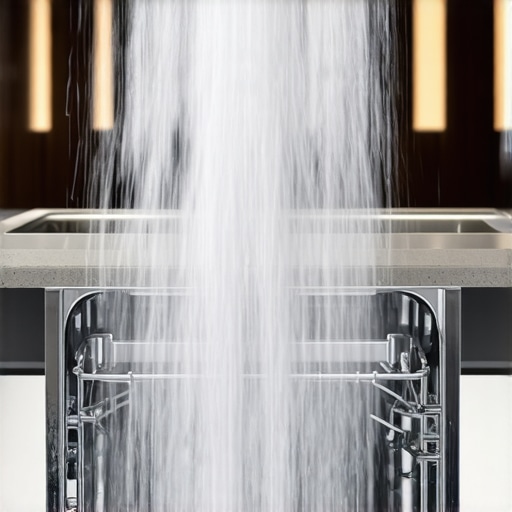
I’ve been there: standing at my kitchen sink, washer running, when suddenly I see water splashing out of the dishwasher’s air gap, pooling all over my countertop. That unexpected spray of water feels like a frustrating slap in the face—especially when I thought everything was installed correctly. It’s one of those small appliances that can turn from helpful to messy in seconds, leaving you scrambling to figure out what went wrong. And if you’re like me, you’ve probably questioned whether your warranty covers the repair or if this is something you should call in a professional for.
Putting an End to That Irritating Water Spray
Today, I’m going to walk you through exactly why your air gap might be spraying water like Old Faithful—and most importantly, how you can fix it yourself or know when to seek expert help. The good news is, this is a common problem with straightforward solutions, once you understand the root cause. No more holding a towel under your counter every time your dishwasher runs or worrying about water damage. Trust me, a little know-how goes a long way.
Is Your Air Gap Worth the Fuss or Just a Red Herring?
Early in my troubleshooting, I made the mistake of assuming it was a clogged hose or a faulty dishwasher. Turns out, the air gap is just a tiny but critical part of your dishwasher’s drainage system, preventing dirty water backflow into your clean dishes. When it gets blocked or misaligned, water pushes back with nowhere to go—resulting in that splattering mess you dread. As I learned from experts at professional repair services, ignoring these symptoms can lead to bigger plumbing or appliance issues down the line.
So, if you’ve faced this problem, you’re not alone—and I promise, the fix isn’t as complicated as it seems. In the sections ahead, I’ll share the steps I took to get my dishwasher back in shape, how to spot early warning signs, and when it’s smarter to call in a trusted technician. Ready? Let’s dive into what’s really causing that persistent water spray and how to put an end to it for good.
Inspect the Air Gap for Clogs
First, locate the air gap, usually a small cylindrical fixture mounted on top of your sink or countertop. Carefully remove the cover and check for debris or buildup. In my experience, a quick wipe with a paper towel or a gentle flush with water often clears minor blockages, restoring proper drainage and preventing water from spraying out during the cycle. If you find obstructions, clear them out thoroughly to prevent future backups.
Remove and Clean the Air Gap
Next, detach the air gap from the countertop or sink. Disconnect the hose attached to its bottom. Use a brush or a pipe cleaner to scrub out any gunk or mineral deposits inside. I once had a stubborn clog stuck deep within, which made my dishwasher leak heavily. After a thorough cleaning, I reassembled everything, and it ran smoothly without any splashbacks. Regular cleaning every few months can keep water flowing freely.
Check the Connection Hoses for Proper Fit
Inspect the hoses connected to the air gap, ensuring they’re securely attached and not kinked or cracked. Loose or damaged hoses can cause pressure buildup, leading to water spray. When I replaced a cracked hose, my water spray issue vanished instantly, and the repair was straightforward. Secure all clamps tightly, so the hose doesn’t slip off when the dishwasher is in use.
Ensure Proper Installation and Orientation
Verify that the air gap is installed correctly—usually, the dome part should be upright, with the hoses pointing downward or horizontally. An improper angle can restrict flow and cause backups. I once installed the air gap upside down, which caused water to back up and spray out. Correcting its orientation resolved the problem immediately. Consult your manufacturer’s instructions or guides like this guide to confirm correct setup.
Test the System and Monitor Results
Finally, run a rinse cycle or the dishwasher’s normal cycle to see if water sprays again. Observe if the flow is steady and the spray is gone. I recommend checking after a few cycles to ensure the problem doesn’t reappear. If water still sprays, it might be time to consult a professional, especially if hidden damage or more complex plumbing issues are involved. Sometimes, investing in same-day repair services with warranty support can save you time and prevent further damage.
Even seasoned homeowners often believe that a warranty guarantees free repairs or that booking same-day service means you’ll get immediate help. But the reality is more nuanced. Many assume that a warranty covers everything, when in fact, routine maintenance and certain damages are explicitly excluded. According to experts from warranty policies, understanding these exclusions can save you from costly surprises.
Maintaining your appliances with the right tools and methods ensures they operate efficiently over the long haul, saving you money and stress. One essential item I swear by is a high-quality digital multimeter. I use mine not only for troubleshooting electrical issues but also for verifying the integrity of circuitry before calling in a technician, which can prevent unnecessary service calls. For example, testing the heating element resistance in my dishwasher helps me determine if a replacement is truly needed, rather than guessing and wasting money.
Invest in Specialized Cleaning Equipment
Deep cleaning is vital for appliance longevity, and I recommend investing in a ultrasonic cleaner for small parts like filters, spray arms, or gaskets. These cleaners use ultrasonic waves to remove mineral deposits and grime more thoroughly than manual scrubbing, which I’ve found significantly reduces buildup that leads to malfunctions. Regular cleaning with such tools keeps my appliances running smoothly and helps me catch potential issues early.
Leverage Smart Diagnostics and Monitoring
Today’s smart appliances often come with diagnostic features accessible through manufacturer apps. I routinely connect my smart refrigerator to its app for alerts on temperature fluctuations or door seal issues. This proactive approach allows me to schedule repairs before problems escalate, extending the appliance’s lifespan. Future advancements will likely integrate AI-driven diagnostics, making maintenance even more predictive and efficient—think of it as a health monitor for your home devices.
Keep a Well-Stocked Tool Kit for DIY Repairs
Having a tailored toolkit with specific screwdrivers, pliers, and replacement parts tailored to your appliances can make minor fixes straightforward. I always keep spare door seals, fuses, and water inlet valves on hand. Not only does this empower me to address issues immediately, but it also fosters a deeper understanding of my appliances’ mechanics. Additionally, following trusted guides like expert repair tips can turn a simple fix into a learning opportunity, saving time and money in the long run.
What Can You Do to Keep Appliances Working? Better Tools, Better Results
Embracing these advanced tools and meticulous methods can dramatically improve the durability and performance of your appliances. For instance, regularly testing electrical components with a multimeter or cleaning parts with ultrasonic cleaners minimizes breakdowns and prolongs service life. As technology evolves, expect even more intuitive monitoring systems that provide real-time health reports. By investing in quality equipment now, you’re setting the stage for fewer emergencies and a more reliable home environment. For more tips on quick fixes and warranties, review affordable same-day repairs with warranty support.
Ready to elevate your appliance maintenance? Start with a digital multimeter to monitor your device’s electronics or schedule a regular ultrasonic cleaning session. Taking these steps today can save big tomorrow.
Discover the Hidden Truths That Changed My Approach to Appliance Maintenance
After tackling countless appliance hiccups, I’ve realized that my biggest breakthroughs came from embracing a few uncomfortable truths—like the importance of regular cleaning and precise installation. One lightbulb moment was understanding that persistent water spray isn’t just a minor annoyance; it signals deeper issues that, if ignored, can lead to costly repairs or replacements. Another lesson I learned is that investing in quality tools and staying proactive often saves money in the long run, rather than reacting to problems only after they escalate. Lastly, I discovered that a little patience and curiosity can turn frustrating troubleshooting into empowering DIY victories, making everyday maintenance less daunting and more rewarding.