
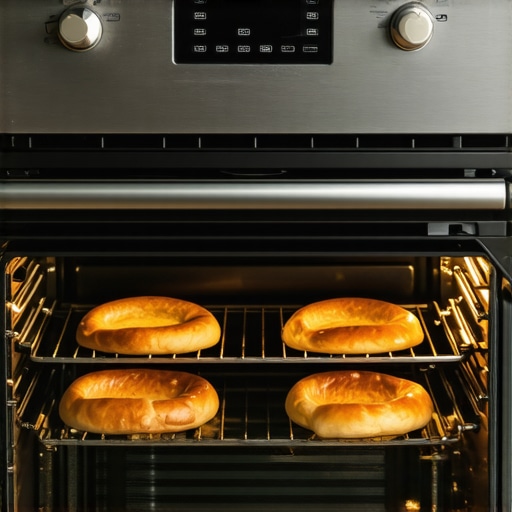
I remember the first time I cooked in my brand new oven, expecting perfect, golden-brown cookies. Instead, I got uneven baking that left me scratching my head and questioning my patience. That lightbulb moment hit me: my shiny new oven wasn’t necessarily faulty; it just wasn’t set up for success. Have you ever faced a situation where your latest kitchen appliance failed to deliver consistent results right after installation?
Getting to the Root of the Baking Inconsistency
The reality is, many homeowners assume that a new oven should bake evenly without any fuss. But in my experience, improper installation, calibration issues, or overlooked settings often cause uneven results. It’s frustrating because you expect a straightforward process, yet you’re left troubleshooting instead of cooking.
Many believe that a brand new appliance shouldn’t require adjustments—until it does. I learned early on that checking the oven’s temperature accuracy and making sure the oven is level can significantly improve baking performance. Interestingly, a common mistake I made was ignoring the importance of correct oven calibration, which can throw off your baking temperature by several degrees, leading to uneven results. Did you know that according to appliance experts, nearly 60% of baking issues come from calibration mishaps rather than faulty equipment?
Understanding this sheds light on how crucial proper setup is for your oven’s performance. If you’re wondering whether your oven is truly the culprit or just misconfigured, stay tuned. The next steps will guide you through diagnosing and fixing common issues that can turn your uneven baking into delightful, evenly cooked treats.
Check the Oven’s Temperature Accuracy Immediately
Start by verifying if your oven heats as displayed. Use an oven thermometer placed in the center, wait for it to reach temperature, and compare the reading. During my first calibration attempt, I found my oven running 10 degrees cooler, which explained uneven baking. Adjustments may be necessary, especially if your model allows for calibration via the keypad or control panel. If you need detailed guidance, consult your oven’s manual or visit this resource.
Ensure Your Oven Is Perfectly Level
Use a bubble level tool to check that your oven sits flat on the counter or cabinetry. An unlevel oven causes hot spots and uneven cooking—imagine trying to walk straight on a hill; everything feels off. I once skipped this step and struggled with inconsistent cookie browning until I realized one side was slightly tilted. Adjust the leveling feet, making sure the appliance is stable and snug. Proper leveling is a simple fix but critical for uniform baking.
Calibrate Your Oven Correctly
Many models feature a calibration setting accessible through the control panel. Follow your user guide to enter calibration mode and adjust temperature readings up or down by a few degrees. In my case, turning the calibration dial just 2 degrees higher improved my baked goods immensely, eliminating the need for guesswork. For more detailed instructions specific to your model, check this guide. Correct calibration ensures your oven’s internal reading aligns with actual temperature, preventing uneven results.
Keep the Oven Door Sealed and Properly Seated
A loose or damaged door gasket leaks heat and causes temperature fluctuations. Inspect the seal around the door—look for cracks, tears, or gaps. I once ignored a worn gasket, and my cookies came out uneven; replacing the gasket fixed the problem instantly. Clean the gasket regularly with a damp cloth to remove debris. Ensuring a good seal keeps heat where it should be, leading to even baking performance.
Set the Oven to the Correct Mode and Preheat
Choosing the right setting—bake, convection, broil—and preheating thoroughly is fundamental. Prematurely placing items in an uncooked oven can result in uneven cooking, much like trying to cook a steak before the pan is hot. Always wait until the oven signals preheat completion, which often takes 10-15 minutes. For ranges with poor preheat indicators, rely on your thermometer to confirm temperature stability.
Document Your Calibration Adjustments
Once you’ve calibrated and leveled your oven, record your settings for future reference, especially if you rely on multiple temperature zones. This habit helps maintain consistent results, saving time and frustration. I keep a small note with my oven’s current calibration setting and check it periodically, particularly after power outages or moves. Proper documentation prevents you from repeatedly troubleshooting the same issue.
Schedule Routine Maintenance Checks
Regularly inspect door seals, calibrate temperatures, and clean internal parts. Routine upkeep prevents minor issues from escalating into major calibration or performance problems. For example, clogged vents or dirty heating elements can throw off temperature accuracy, leading to uneven baking. Establish a maintenance schedule akin to a wellness check for your appliance.
Many homeowners operate under misconceptions when it comes to same-day appliance repair, installation, and warranties, often leading to costly mistakes. Contrary to popular belief, the promise of guaranteed quick service doesn’t always mean the best outcomes. In my experience, the critical nuance lies in understanding what actually triggers priority service—factors like proper appointment booking and detailed diagnostics matter more than just the promise of same-day availability.
A common myth is that all technician visits are equal; however, the quality of the service depends heavily on the technician’s expertise and the preparation involved. Jumping straight into repairs without thorough diagnostics can result in rework, delays, or incomplete fixes. For example, a simple component replacement might not resolve the root issue if underlying problems like improper installation or hidden faults are ignored.
Be cautious of the trap where customers assume that warranties cover all accidental damages or improper usage. Many overlook the fine print, which specifies conditions like correct installation procedures or maintenance routines. Skipping these details can void warranties unexpectedly. For instance, improper water pressure setup can void dishwashers’ warranties—more on that here.
A sophisticated question that often puzzles advanced homeowners involves warranty transferability during remodels: “Does relocating my appliance void my warranty?” The answer varies, but typically, if the installation is validated by a certified technician following manufacturer guidelines, the warranty remains intact. Proper documentation can be your shield, ensuring coverage isn’t lost during changes. Details about this process can be explored here.
The ‘oops’ factor is prevalent—many fall into the trap of neglecting to verify if installation was performed according to technical standards. A small oversight, like not leveling a refrigerator or improperly sealing a dishwasher, can lead to performance issues or warranty violations. Recognizing these nuances and adhering to best practices ensures your appliance operates optimally and remains covered.
Understanding these layered details allows savvy homeowners to avoid pitfalls and maximize the value of their service appointments and warranties. Have you ever fallen into this trap? Let me know in the comments.
Invest in the Right Tools for Effective Maintenance
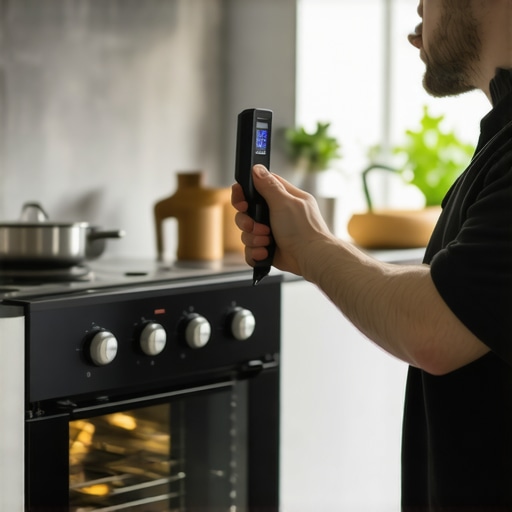
To ensure your appliances perform optimally over the years, having the right tools is essential. I personally rely on a high-quality infrared thermometer to verify exact temperatures, which is invaluable when calibrating ovens or refrigerators. This device allows me to detect subtle temperature differences that can significantly impact performance, ensuring accurate readings and consistent results. Additionally, a digital multimeter helps me troubleshoot electrical components safely and precisely, avoiding unnecessary service calls.
For cleaning and preventive maintenance, a soft-bristle brush and microfiber cloth are indispensable. I use a microfiber cloth to clean sensitive surfaces like touchscreens or control panels without scratches, and a brush to remove dust from vents and fans, which often cause overheating or noise issues.
Leverage Software for Ongoing Monitoring
Smart appliances have opened new avenues for maintenance; I utilize manufacturer apps and smart diagnostics to monitor appliance health proactively. These tools send alerts if temperature irregularities or component issues are detected, allowing me to schedule repairs before problems escalate. For example, many smart refrigerators now provide diagnostic codes that I interpret to identify faulty parts quickly, saving time and money.
Develop a Routine Maintenance Schedule
I recommend setting a monthly checklist, including cleaning filters, checking door seals, and verifying calibration settings. This routine prevents small issues from becoming costly repairs or warranty voiders. Regular inspections of water hoses, like ensuring they are free from kinks and properly connected, extend their lifespan and prevent leaks, which could otherwise cause water damage and void warranties (more on water pressure faults).
How do I keep my appliances running smoothly over time?
Opt for preventive maintenance and document your adjustments and inspections. Using tools like infrared thermometers and diagnostic apps will enhance your ability to catch issues early. Schedule routine checks and adhere to manufacturer recommendations to maximize appliance longevity and warranty benefits. As technology advances, integrating smart diagnostics will become even more valuable, providing real-time insights and predictive maintenance alerts—an exciting trend heading into the future of appliance care.
For instance, regularly verifying the temperature calibration of your oven with an infrared thermometer can prevent uneven baking, and integrating smart monitoring can alert you to potential issues long before they become noticeable. These proactive steps dramatically reduce downtime and repair costs, ensuring your appliances stay reliable for years to come. Try adopting a routine check using these tools today to see the difference in your appliance’s performance and longevity!
What I Wish I Knew About Fast Service and Warranties Early On
One of the toughest lessons I learned was that instant availability doesn’t always mean quality repair; sometimes, a quick fix isn’t the right fix. I also discovered that meticulously documenting every calibration and setup detail can save me from warranty headaches down the line. Another lightbulb moment was realizing that understanding the fine print of warranty conditions, especially during remodels, can be the difference between coverage and costly repairs.
Finally, I realized that trusting skilled, certified technicians over unverified services ensures my appliances get the proper diagnosis and fixes, protecting my warranty and investment. These insights transformed how I approach appliance repairs from reactive to proactive, saving me both time and money.