

It was just another scorching summer day when I turned on my air conditioner, only to be met with a wave of foul odor. Instantly, I thought, “Did I forget to clean the filters again?” But the smell was so strong, like a pair of old, crusty socks, that I knew this was more than just routine maintenance. At that moment, I realized many homeowners face this perplexing problem—your AC vents smell terrible every time you hit the switch.
What’s Causes That Unbearable Smell and Why You Should Care
Many folks dismiss the foul odor as a minor annoyance, but it’s actually a sign that your system might be harboring bacteria, mold, or even accumulated debris. These odor-causing elements thrive in the damp, dark environment of your ducts, especially if the system hasn’t been cleaned or serviced in a while. Ignoring this can lead to health problems, like allergies or respiratory issues, and even cause your AC to work harder, pushing up your energy bills.
Personally, I made the mistake early on of assuming a quick filter change would solve the problem. Turns out, that’s only part of the puzzle. I discovered that a thorough cleaning of the ductwork and condensation lines was essential, something I initially overlooked. According to HVAC experts, neglected ducts can accumulate mold and bacteria that significantly contribute to unpleasant smells, and it’s not something to ignore (source: AHJ).
Are you tired of masking that sock smell with air fresheners? Do you dread turning on your AC because of that foul odor? Well, don’t worry—there’s a solution, and I’ll guide you through it. But first, let’s address the biggest skepticism.
Is the Smell Actually Worth the Hype?
I’ve been there. At first, I thought maybe it was just a minor issue that would resolve itself over time. But ignoring it only made things worse. A professional inspection and cleaning not only eliminated the smell but also improved air quality and system efficiency. It’s a small investment for peace of mind and healthier indoor air. If you want to learn more about ensuring reliable, warranty-backed services or scheduling quick repairs, check out this expert guide to appliance repair and installation. Now, let’s dive into the practical steps to banish that dreaded sock smell for good.
Start with a Deep Clean of Your Ducts and Vents
My first move was to turn off the system and locate the access panels in my attic. Using a vacuum with a hose attachment, I carefully removed dust and debris from the vents. Then, I used a specialized duct cleaner to loosen buildup. Remember, over time, dust, mold, and bacteria settle deep within the ducts, causing that stench. Regular cleaning prevents this from happening and can be a game-changer in eliminating odors.
Disinfect and Treat the Ducts to Kill Mold
I mixed a solution of equal parts water and white vinegar, then sprayed it into the ducts using a spray bottle with a long nozzle. Letting the solution sit for about 15 minutes helps kill mold spores and bacteria. For stubborn spots, I used a microfiber cloth soaked in vinegar to scrub the accessible areas. This step is crucial because bacteria and mold are often hidden, but their smell persists if not thoroughly addressed.
Clean or Replace the Air Filter Correctly
Next, I removed the existing filter, inspecting it for signs of mold, dust, or clogging. Swapping this filter out is like changing a sock—simple but vital. I installed a high-efficiency, mold-resistant filter to improve air quality. Don’t forget, filters trap debris and prevent it from circulating, so check and replace them regularly for ongoing freshness. Also, using a filter with activated carbon can help absorb odors.
Check and Clear the Condensation Drain Line
The condensate drain line acts like a drain for excess moisture. If clogged, it can cause mold growth and odors. I disconnected the line at the drain pan, then flushed it with a mixture of hot water and a small amount of bleach. This clears any buildup and prevents mold from thriving inside. Make sure to reattach everything tightly to prevent leaks. Regular maintenance here keeps the system dry and odor-free.
Use Odor Absorbers Strategically
After cleaning, I placed odor-absorbing pads near the vents and even inside the return air ducts. Baking soda is an old reliable—sprinkling baking soda inside the ducts or using activated charcoal bags can absorb lingering smells. This acts as a deodorizer without harsh chemicals, leaving your home smelling fresh. For future prevention, consider installing an air purifier with a HEPA and activated carbon filter.
Schedule Professional Maintenance to Ensure Long-Term Freshness
If all steps seem overwhelming or the smell persists, professional HVAC technicians can perform a comprehensive cleaning and inspection. Think of it like bringing in a mechanic for a tune-up; they have specialized tools to reach inaccessible areas and verify system health. Regular maintenance not only removes existing odors but also prolongs your system’s lifespan. For reliable, quick, and warranty-backed service, check out this expert guide for scheduling your next appointment.
Many homeowners believe that all appliance repair services are created equal, and that a standard warranty or same-day repair guarantees a flawless experience. However, as an expert in the industry, I can tell you there are hidden nuances that often lead to costly mistakes and unmet expectations. For example, many assume that warranty coverage automatically includes all repairs, but most warranties exclude routine maintenance or specific parts, which can catch you off guard during an emergency. This common misconception can leave you facing unexpected expenses or extended downtimes. Additionally, the rush for same-day service might seem like a blessing, but without understanding the technician’s certification, experience, and parts availability, you risk subpar repairs that could void your warranty or cause further damage. It’s crucial to recognize that not all technicians are trained equally; some use generic parts or shortcuts that compromise long-term reliability. Speaking of installation, many get lulled into choosing the lowest bid, overlooking the importance of proper setup. Improper installation can lead to premature failures, energy inefficiency, and even safety hazards. A professional installation doesn’t just involve connecting the appliance; it’s about ensuring optimal operation, adherence to manufacturer specifications, and safeguarding your warranty coverage. Interestingly, many overlook the significance of verifying the technician’s credentials or the quality of parts used, which can profoundly impact the durability of your investment. For instance, choosing a non-certified installer may cause warranty claims to be denied later because the setup didn’t meet required standards. Curious about how to avoid these pitfalls? Check out this comprehensive guide to ensure you’re making informed decisions.
A particularly tricky area is understanding the fine print in your warranty agreements. Manufacturers often exclude parts like belts, filters, or certain sensors, which are common wear items. Knowing this can help you plan for regular maintenance and avoid surprise costs. Furthermore, when scheduling same-day repairs, the quality of parts and the technician’s experience can vary widely, affecting the longevity of your appliance. This is why researching local reviews and certifications before making a decision can save you money and frustration in the long run. Don’t forget, most reputable services offer warranty-backed repairs, so always verify whether the technician’s parts and labor are guaranteed. If you’ve ever been caught in a cycle of repeated issues despite quick fixes, it’s probably because the root problem wasn’t addressed correctly—another reason to choose experienced professionals. Want to see how to maximize your warranty savings or select the right service? Visit this warranty guide for expert tips.
In essence, understanding the hidden nuances—like what your warranty actually covers, the importance of certified technicians, and the significance of proper installation—is key to avoiding costly mistakes and ensuring your appliances serve you well. Remember, rushing into repairs or installations without due diligence can cost you dearly over time. Have you ever fallen into this trap? Let me know in the comments.
Tools I Recommend for Long-Term Appliance Maintenance
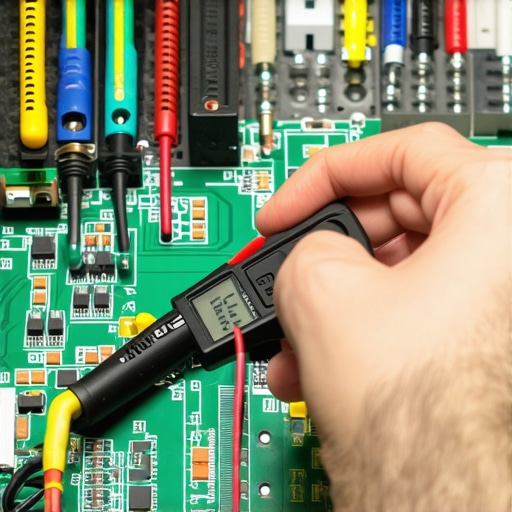
Consistent maintenance is the cornerstone of ensuring your appliances run efficiently and last longer. Over the years, I’ve found that investing in quality, specialized tools makes all the difference. For instance, a digital multimeter is invaluable for diagnosing electrical issues, allowing you to test voltage, continuity, and resistance with precision. I personally prefer the Fluke 117 for its reliability and user-friendly interface, which simplifies troubleshooting without requiring extensive electrical knowledge.
Another essential tool is a compact, high-powered vacuum with a narrow hose attachment. This helps me reach deep into vents, filters, and narrow crevices where dust and debris accumulate, preventing issues like overheating or odors. For cleaning condensate drains or narrow tubing, I use flexible, brush-tipped cleaning rods that can bend comfortably into tight spaces, ensuring thorough clearing without damaging delicate components.
When it comes to removing and replacing filters or parts, having a variety of screwdrivers—both Phillips and flat-head of different sizes—is a must. I suggest investing in magnetic-tip screwdrivers to prevent losing tiny fasteners inside appliances. Additionally, a torque screwdriver guarantees that fasteners are tightened to manufacturer specifications, preventing over-tightening that could damage components or under-tightening that may cause leaks or rattles.
Software and Diagnostics for Modern Appliances
Today’s appliances increasingly rely on digital systems. As such, I recommend using manufacturer-specific diagnostic apps or software whenever possible. These tools can communicate directly with devices, revealing error codes and system status instantly. For example, some smart refrigerators come with proprietary mobile apps that guide you through troubleshooting steps, reducing the need for unnecessary service calls.
Firmware updates are another critical aspect. I make it a habit to check for updates regularly, especially for smart appliances connected to Wi-Fi. Updates can patch security vulnerabilities, enhance functionality, and improve overall stability—factors that ultimately extend the appliance’s lifespan. Remember, many manufacturers now offer remote diagnostics, allowing technicians to assess issues online before visiting, which leads to faster, more effective repairs.
How do I maintain appliances over time to avoid hiccups?
Developing a routine maintenance schedule is key. I suggest setting monthly reminders to perform tasks like cleaning filters, inspecting vents, and checking for signs of wear or leaks. A detailed maintenance checklist tailored to each appliance allows you to address small issues before they become costly repairs. Also, keep a log of repairs and parts replaced; this history not only helps in diagnosing recurring problems but also bolsters warranty claims, ensuring you get the coverage you deserve.
Looking ahead, I predict technology will make maintenance even smarter. With IoT-enabled appliances, predictive diagnostics can alert you to impending failures days or weeks in advance, saving time and money. To stay ahead, I recommend familiarizing yourself with your appliance’s digital interfaces and updating firmware regularly. Want to learn more about reliable, warranty-backed appliance servicing? Check out this comprehensive guide for expert tips and scheduling options.
Learning from My Biggest Repair Blunders
One tough lesson I uncovered was that skipping regular maintenance can turn simple fixes into costly disasters. For example, ignoring the importance of inspecting your appliance’s internal components often leads to breakdowns that could have been prevented with a routine check-up. I once thought a quick reset would fix a malfunctioning fridge, only to realize later that a worn-out compressor was the true culprit. This experience hammered home that understanding your appliance and investing in proper diagnostics saves time and money in the long run.
Why Rushing Repairs Might Cost You More
I’ve learned the hard way that opting for the earliest available technician without verifying their credentials can compromise system longevity. A same-day repair may seem convenient, but if the technician uses subpar parts or cuts corners, you’re possibly setting yourself up for repeat visits or warranty disputes. Select trusted, warranty-backed professionals and avoid the trap of choosing the lowest bid—your appliances will thank you. For clear guidance on scheduling trustworthy service, check out this scheduling guide.
Installation Errors That Haunt You Later
Proper installation isn’t just a quick hookup; it’s a critical step that influences your appliance’s efficiency and warranty coverage. Having witnessed countless failed installations due to improper setup, I now understand that investing in certified professionals ensures adherence to manufacturer standards and proper system functioning. Trust me, a solid installation prevents headaches down the line. Want to know how to verify your installer’s credentials? See this expert advice.
The Hidden Power of Routine Maintenance and Upgrades
Beyond repairs, embracing proactive care—like updating firmware or replacing filters regularly—has transformed my approach. Technology now offers predictive diagnostics that notify us early about potential issues, saving hassle and expense. By documenting service history and adhering to scheduled check-ups, I ensure my appliances stay in top shape. Curious how to maximize your warranty benefits through consistent maintenance? Take a look at this comprehensive guide.