
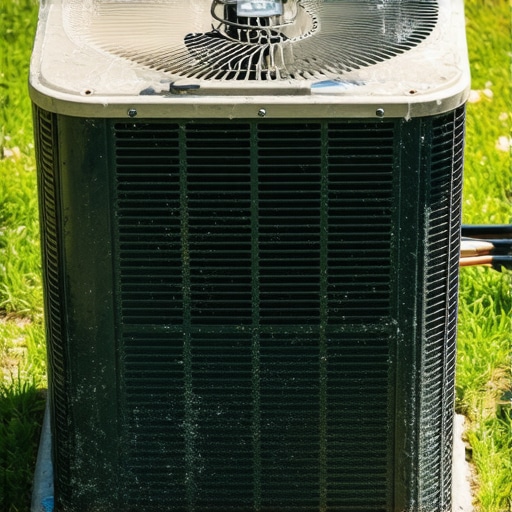
It was a scorching July afternoon when I finally decided to turn on my air conditioner after a long week of relentless heat. To my surprise, I heard this strange, crackling noise from outside. When I peeked at the unit, I saw something I hadn’t seen before—frost and ice gathered on the coils! I was baffled. Why would my outdoor AC, battling the summer heat, be freezing up? That lightbulb moment revealed a common but perplexing problem many homeowners face: AC outdoor units freezing in the heat. If you’re scratching your head over this, you’re not alone. Today, I promise to share my personal experience and help you understand what causes this issue and, more importantly, how to fix it effectively.
Understanding Why Your AC Freezes Up in the Heat
Is a Frozen AC Outdoor Unit Really Trouble or Just a Peculiar Quirk?
Perplexing as it seems, an AC unit freezing up isn’t a rare anomaly. Early on, I made the mistake of assuming it was just a weird glitch—until it persisted and started affecting my cooling. What I failed to realize then was that a frozen condenser can be a sign of underlying issues, like airflow obstructions, low refrigerant levels, or dirty filters. According to HVAC experts, such problems disrupt the system’s ability to remove heat properly, leading to ice formation on the coils. This awareness was crucial, as overlooked issues can escalate and cause costly repairs, or worse, complete system failure. For more insights, check out this comprehensive guide on maximizing your appliance warranty during emergency repairs.
Have you ever experienced your outdoor unit frosting over during peak summer days? If so, you’re likely asking, “Why does this happen now?” Understanding these causes is the first step toward fixing the problem. And trust me, tackling this early can save you from a long, uncomfortable summer with a malfunctioning AC. So, buckle up—next, we’ll dive into actionable steps to troubleshoot and resolve this chilly mystery.
Inspect the Airflow Path Immediately
Start by checking if your outdoor unit has any debris, leaves, or dirt blocking the vents. I once found a thick layer of fallen leaves clogging mine, which was the main cause of the freeze. Clear away all obstructions with a garden hose or a brush. Ensure the area around the unit is free of weeds and debris to promote proper airflow. A blocked airflow prevents warm air from reaching the coils, leading to ice buildup. Regularly cleaning your unit’s surroundings is essential for optimal performance.
Check and Replace Dirty or Clogged Filters
Next, examine your indoor air filters, especially if you notice poor airflow inside the house. Dirty filters can cause low refrigerant pressure, which contributes to icing. Personally, I replaced my filter after noticing reduced airflow and a slight frost on the outdoor coils. Remove the filter and inspect for dirt or dust. If it’s dirty, replace it with a high-quality, correctly rated filter. Doing this improves airflow and reduces the load on your AC system, cutting down the risk of freezing.
Verify Refrigerant Levels or Call a Professional
Low refrigerant levels are a common cause of outdoor unit freezing-up. Unlike simple cleaning, checking refrigerant requires specialized tools and knowledge. I recommend scheduling a professional technician maintenance, especially if you suspect refrigerant leaks or if the system has been in operation for several years. A qualified HVAC technician can measure refrigerant pressure and refill or repair leaks as needed. Proper refrigerant levels ensure efficient heat exchange, preventing ice formation on coils, and extending your system’s lifespan.
Ensure Proper Thermostat Settings and Fan Operation
Incorrect thermostat settings can lead to overcooling or rapid cycling, which stresses the unit. Set your thermostat to a comfortable temperature—typically around 78°F—and ensure the fan operates continuously during heatwaves. I had to adjust mine when I realized the fan was cycling off too soon, leading to poor air circulation. When the fan runs constantly, it helps maintain even temperatures and prevents layers of ice from forming on the coils.
Perform a System Reset if Necessary
If all else fails, try resetting your AC system. Turn off the unit completely via the breaker or disconnect switch, wait for about 15 minutes to allow the compressor and fans to cool down, then turn it back on. This reset can sometimes clear minor control glitches that may cause the compressor to overcool the coils. Remember, if you encounter persistent issues, consulting a professional can save time and prevent further damage. For a smoother process, learn what to expect from same-day appliance repair experts.
Schedule Regular Maintenance to Prevent Future Freezes
Implement a maintenance routine that includes annual inspections and cleanings. Regular checkups by professionals ensure refrigerant levels are optimal, coils are clean, and airflow pathways are clear. During my last service, the technician replaced worn-out fan motors and added refrigerant—a game-changer in preventing future freezes. Preventative care is cheaper and less stressful than emergency repairs and helps your AC perform efficiently during the hottest months. For seamless service, think about scheduling your repair for same-day service in 2025.
Many homeowners assume that warranty policies and appliance installation processes are straightforward, but in reality, there’s more beneath the surface that can trip you up. For example, it’s a common misconception that simply having a warranty covers all repair costs. However, many warranties have fine print that exclude parts or specific types of damage—something I learned the hard way. To truly benefit from your warranty, you need to understand its scope and limitations. According to industry experts, a significant percentage of claim denials are due to overlooked clauses, emphasizing the importance of reading the fine print carefully. Moreover, many believe that emergency repairs are immediate, but quick turnaround often depends on the service provider’s scheduling and parts availability. This is where **scheduling your repair for same-day service in 2025** becomes essential to avoid prolonged inconvenience.
When it comes to installation, a prevalent myth is that professional installation is just a Maintaining your appliances over time requires more than just basic knowledge—it demands the right tools to ensure efficiency and safety. Personally, I’ve found that investing in high-quality, specialized equipment makes all the difference in achieving lasting results. One such tool is a digital refrigerant leak detector. Unlike traditional soapy water methods, this electronic device quickly pinpoints even the smallest refrigerant leaks, which are often the culprit behind freezer and AC issues. I regularly use the UEi Test Instruments CDT900 because of its sensitivity and ease of use; it has saved me countless hours and prevented unnecessary parts replacements. Another indispensable item is a multimeter with true RMS capability, such as the Fluke 117. It helps me accurately measure electrical components, protecting me from potential hazards and ensuring that systems operate within manufacturer specifications. Additionally, a quality vacuum pump like the Robinair 15500NI ensures that refrigerant lines are properly evacuated before refilling, which is critical for system longevity.
Looking ahead, as smart appliances become more prevalent, tools like Wi-Fi-enabled diagnostic apps are gaining importance. These allow remote monitoring and troubleshooting, saving time and reducing call-backs. In terms of software, maintaining digital logs with apps like Evernote or Notion helps track maintenance history, warranty dates, and replacement schedules—crucial for long-term appliance health.
How do I maintain appliance tools over time? Regular calibration and proper storage are key. Calibrating electronic testers annually—using manufacturer-approved standards—ensures accuracy. Store tools in a clean, dry environment to prevent corrosion and damage. Also, routinely inspecting power cords and connections can prevent failures during critical moments. Embracing these practices increases the reliability of your tools, translating directly into fewer emergency repairs and more preventive maintenance.
In this evolving landscape, staying equipped with the latest diagnostic tools not only boosts your confidence but also prolongs appliance lifespan. For example, high-quality leak detectors and multimeters can reduce downtime and repair costs, especially when paired with professional guidance. Remember, making a small investment in the right equipment today can prevent costly replacements tomorrow. To explore more about maximizing your warranty during repairs, check out this detailed guide.

As a tip, try upgrading your multimeter to a model with data logging capabilities. This allows you to record voltage fluctuations over time, providing deeper insights into intermittent faults—just like the LM386 operational amplifier datasheet emphasizes the importance of precise measurements for troubleshooting. Proper tools and maintenance routines ensure your appliances keep running smoothly, giving you peace of mind and saving money in the long run.Over the years, I’ve learned that dealing with appliances, especially HVAC systems, teaches you more than just technical skills—it imparts humility, patience, and an eye for detail. One profound lesson from fixing my outdoor AC’s frost problem was recognizing that seemingly minor issues, like a clogged filter or obstructed airflow, can cascade into major breakdowns if neglected. It reinforced the importance of preventive maintenance over reactive fixes, saving me time and money in the long run. Another insight was that not all problems are immediately visible; sometimes, a subtle whiff of poor airflow or a slight hesitation in cooling hints at underlying refrigerant troubles—much like how tiny leaks can cause ice buildup. Real expertise, I found, involves patience, a curious mind, and knowing when to call in a professional—especially for refrigerant levels or system resets. Ultimately, this experience reminded me that caring for appliances requires a proactive mindset, and understanding common pitfalls can empower homeowners to avoid costly repairs and extend their systems’ lifespan.