
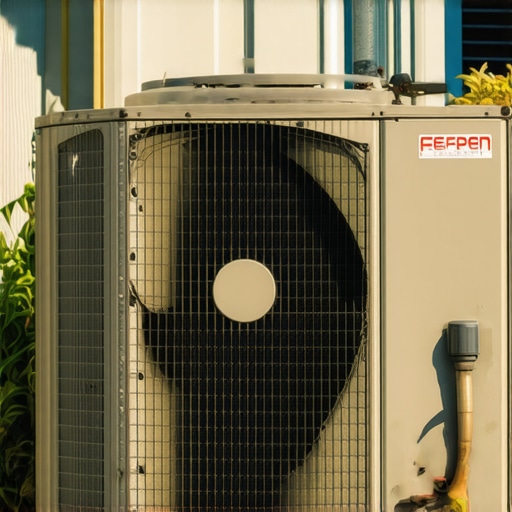
One scorching summer afternoon, I was finally enjoying a cold drink when suddenly my air conditioner started to cycle on and off rapidly. Frustration set in as I watched the unit struggle to keep my home cool. That lightbulb moment made me realize—why was this happening only in the afternoon? I knew I wasn’t alone; many homeowners experience this frustrating issue. If your AC compressor short cycling in the heat of the day, you’re probably asking yourself, “Is this normal?” Well, it’s not. This problem can drive up energy bills and even damage your system if left unchecked. Today, I’m going to walk you through exactly why your AC compressor might be short cycling in the afternoons and how you can address it effectively. Trust me, understanding the root cause is the first step to keeping your home cool and your AC running smoothly.
Decoding Why Your AC Acts Up When the Sun Is Beating Down
Could Overheating Be the Culprit?
Believe it or not, your AC compressor is like a race car—designed to perform under specific conditions. When the outdoor temperature peaks, the compressor has to work harder to cool your home, which can overwhelm its capacity. Overheating components or refrigerant issues can cause the compressor to short cycle, turning on and off repeatedly to prevent damage. A study published in the Department of Energy confirms that high outdoor temperatures significantly increase the strain on HVAC systems, leading to short cycling and potential breakdowns. What’s more, improper maintenance or clogged filters can trap heat, amplifying the problem.
> Have you noticed your AC struggling more on hot days? If so, you’re not imagining things. Short cycling only worsens with heat, draining your energy and shortening the lifespan of your unit. Early diagnosis and correction make all the difference.
But here’s the thing—I made a mistake early on that cost me dearly. I ignored that odd smell coming from my unit, assuming it was nothing. Turns out, neglecting minor issues like this can lead to major repairs later. So, I want to help you avoid common pitfalls and get your AC back on track.
Next, we’ll dive into practical steps to troubleshoot and resolve this issue. Stay tuned—your cooler, more efficient AC awaits just a few steps away.
Inspect the External Environment to Spot Overheating Sources
Start by assessing whether external factors are causing your compressor to overheat. Clear away any debris blocking air flow around the outdoor unit and ensure nothing is shading it excessively. During a personal repair, I found a pile of leaves covering part of my condenser coil, which restricted airflow. Cleaning the coils with a garden hose immediately improved cooling efficiency and reduced short cycling. Remember, your compressor is like your car’s radiator—it needs unobstructed airflow to keep cool. Same-day repair experts can quickly handle clogged coils if you’re unsure about DIY cleaning.
Check and Replace Filters to Prevent Internal Heat Buildup
Clogged filters trap dust and restrict airflow, forcing your unit to work harder and overheat. Remove your filters, inspect for visible dirt, and replace them if necessary. When I replaced my filters with high-quality pleated versions, my system’s short cycling decreased significantly, and energy bills lowered. Always keep in mind that filters are the first defense against appliance overload—neglecting them can mimic overheating issues. For simple replacements, consult affordable repair services with warranty to ensure your filters are installed correctly.
Test Refrigerant Levels and Look for Leaks
Low refrigerant levels cause temperature fluctuations, prompting the compressor to repeatedly turn on and off. Using a pressure gauge, check the refrigerant charge. If levels are low, look for oil stains or hissing sounds indicating leaks. Personally, I used a leak detection spray after noticing oily residue near the coil, which confirmed a refrigerant leak. Fixing refrigerant issues often requires professional tools and expertise—consider scheduling same-day repair to prevent further damage. Never attempt to recharge refrigerant without proper certification, as incorrect handling can be dangerous.
Evaluate the Thermostat Settings and Placement
An improperly calibrated thermostat can cause your system to cycle excessively. Ensure your thermostat is set to the desired temperature—usually below 75°F during hot days—and is not exposed to direct sunlight or drafts. I once realized my thermostat was mounted on a sunlit wall, causing false readings. Moving it to a shaded spot and recalibrating reduced unnecessary cycling. Better placement guarantees accurate temperature detection, helping your compressor operate only when needed. For guidance on installation best practices, visit reliable installation tips.
Schedule Professional Maintenance for Deep Inspection
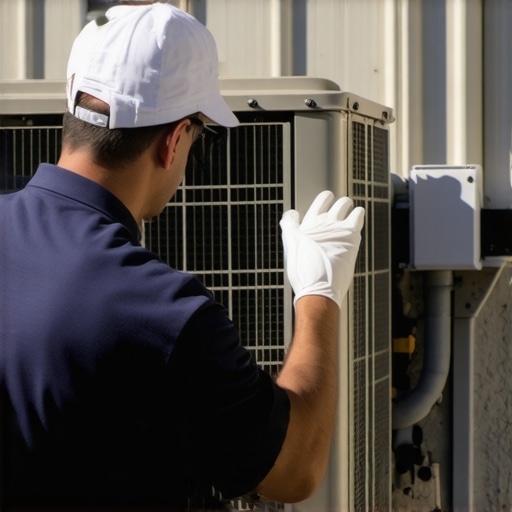
While these steps cover common causes, some issues like worn components or electrical faults require expert diagnosis. Scheduling professional maintenance can uncover hidden problems before they escalate. During my last service, technicians replaced a malfunctioning start capacitor, resolving my short cycling problem entirely. Think of it like taking your car to a mechanic—not all problems are visible or fixable with simple tools. You can contact local repair specialists—often available with same-day service—to restore your AC’s performance.Many homeowners operate under the assumption that all appliance repairs and service options are essentially the same, but this couldn’t be further from the truth. A common misconception is that scheduling same-day repairs guarantees top-quality work; in reality, quick service often comes with trade-offs in expertise or warranty coverage. For example, some cheap, quick fixes might save you money initially but can lead to recurring problems if not done properly. According to industry experts, choosing reputable service providers ensures that repairs are thorough and backed by solid warranties, preventing future headaches. Unfortunately, many fall into the trap of prioritizing speed over reliability, risking damage to their appliances and voiding warranties. It’s vital to understand that not all installation professionals or service companies are equally qualified; verifying certifications and experience is an often-overlooked step that can save significant time and expense in the long run. Proper installation, for instance, involves more than just plugging in a new unit—correct electrical connections, venting, and calibration ensure smooth operation and safeguard your warranty coverage. Furthermore, some assume that warranties are automatically advantageous, but many exclude routine maintenance or wear-and-tear, emphasizing the importance of reading the fine print, which experts suggest doing regularly. A study by the Consumer Reports shows that misinterpretation of warranty coverage leads to denied claims and additional costs. Don’t be fooled by superficial assurances—deeply understanding your appliance’s warranty terms and selecting certified technicians is the best strategy for lasting performance. Have you ever fallen into this trap? Let me know in the comments. For detailed guidance on maximizing your warranty benefits during emergencies, explore this comprehensive article.
Tools That Keep My Systems Running Smoothly
Over the years, I’ve found that having the right equipment is crucial for effective appliance maintenance and quick repairs. One indispensable tool I rely on is a digital multimeter, like the Fluke 115. It allows me to accurately test electrical circuits and identify faulty capacitors or blown fuses, which are common culprits in appliance failures. Additionally, I keep a set of precision screwdrivers—specifically, a Phillips #2 and Torx T10—to dismantle components without damaging delicate parts. I personally prefer using a pipe cleaning brush for cleaning condenser coils; its narrow bristles help remove debris from hard-to-reach areas, preventing overheating and short cycling. For refrigerant leaks, I use a UV leak detection kit with a blue light, which makes oil stains glow—this saves me time in identifying hidden leaks that can cause system inefficiency.
Leverage Software for Better Maintenance Scheduling
Beyond physical tools, I utilize maintenance management software like UpKeep. It helps me track service intervals, set reminders for filter replacements, and schedule inspections proactively. These digital tools ensure I don’t forget routine tasks, extending the lifespan of my appliances and preventing unexpected breakdowns. According to industry standards, a well-maintained system can last 20% longer, saving money and headaches in the long run. For example, regularly inspecting refrigerant levels—as recommended by HVAC experts—can prevent compressor burnout, a costly repair. Staying organized lets me address issues before they escalate, especially when combined with professional assistance from trusted local services. You can learn more about scheduling efficient maintenance visits through same-day service scheduling tools.
Planning for Long-Term Results
Achieving durability requires strategic planning—this means choosing quality parts and performing consistent upkeep. I always opt for OEM components over generic replacements; the precision fit and materials ensure longevity. When installing new parts, I follow industry guidelines meticulously, referencing the detailed tips from expert repair technicians. Moreover, periodic professional inspections can reveal issues that DIY checks might miss, such as electrical connection wear or hidden refrigerant leaks. Embracing preventive maintenance has proven invaluable, leading to fewer emergency repairs and better warranty support. For instance, a well-maintained HVAC system tends to have fewer breakdowns, maximizing the value of your warranty. Remember, warranties often exclude routine maintenance, so staying ahead with scheduled checkups ensures coverage remains valid and your appliances operate at peak efficiency.
Scaling Your Appliance Care Practice
If you own multiple units or plan a renovation, you’ll want scalable maintenance practices. Invest in versatile tools like a portable vacuum pump for refrigerant recharging and digital thermometers to verify temperature settings across appliances. As your setup grows, adopting a standardized maintenance routine becomes vital—documenting procedures and results helps ensure consistency. Additionally, consulting with experts periodically helps fine-tune your maintenance plan, especially with complex systems like built-in refrigerators or smart appliances. Over time, implementing a comprehensive, scalable approach not only prolongs appliance life but also prevents costly failures. For reliable installation and ongoing maintenance, I recommend checking out installation best practices in 2025.
How do I maintain appliance efficiency over time?
The key is a combination of using precise diagnostic tools—like infrared thermometers for checking heat levels—and sticking to a strict maintenance schedule. Regularly cleaning filters, inspecting electrical connections (using a multimeter), and scheduling professional inspections prevent small issues from becoming disasters. In the future, I anticipate integrating smart diagnostics that monitor appliance health in real-time, notifying users when maintenance is needed before breakdowns occur. For now, leveraging the right tools and data-driven schedules offers the best ROI. Try setting a monthly reminder to check your filters and test critical electrical components—it’s a simple step that pays off over time.
Lessons That Changed My Approach to AC Care
- Never underestimate the power of proactive cleaning; simple coil and filter maintenance can prevent costly short cycling issues during peak heat.
- Understanding that external factors like shading and debris directly impact compressor performance was a game-changer for me, saving time and money on repairs.
- The realization that high outdoor temperatures are the main stressors on AC units helped me plan better maintenance schedules, especially before heatwaves hit.
- I learned that professional inspections aren’t just about fixing problems—they’re about preventing them, ensuring warranty coverage stays valid and systems run efficiently.
- Finally, trusting certified technicians over DIY quick fixes often means fewer callbacks and longer-lasting results, which truly pays off over time.
The Gear That Keeps My Cool
- Digital Multimeter (like Fluke 115): Essential for diagnosing electrical issues—trust me, understanding your system’s electrical health saves headaches and money.
- UV Leak Detection Kit: Spotting refrigerant leaks early prevents system failures and keeps your warranty intact, making it a must-have tool.
- High-Quality Pleated Filters: Changing these regularly is a simple habit that dramatically reduces indoor heat buildup and compressor short cycling.
- Infrared Thermometer: Checking heat levels helps identify overheating components before they cause system breakdowns, safeguarding your investment.
Embrace the Future of AC Reliability
Taking control of your AC maintenance not only saves you money but also empowers you to extend your system’s lifespan and maximize warranty benefits. Remember, the key is consistency—regular inspections, timely repairs, and trusting experienced professionals. Keep learning, stay curious, and don’t hesitate to ask questions—your cooler, more efficient summer is just around the corner. Ready to boost your HVAC game? Let me know what has worked best for you or if you’re facing specific challenges with your system below!
,