There was a scorching summer afternoon when I hit the switch to turn on the air conditioner, only to be greeted by a deafening, relentless buzzing sound. My heart sank as I watched my cool oasis refuse to kick into gear. Frustration set in—I had just replaced the filter last month, and everything seemed fine beforehand. Sound familiar? If your AC compressor is making a loud buzzing noise but the unit won’t start, you’re not alone, and honestly, it’s more common than you’d think during a critical heatwave.
Getting to the Root of That Persistent Buzz
This isn’t just about the annoyance of noise; it’s about understanding what your AC is trying to tell you. That loud buzzing often signals that your compressor is experiencing issues—ranging from electrical problems to mechanical failures—that prevent it from powering up properly. Over the years, I’ve learned that ignoring these signs can lead to more costly repairs or even needing a full replacement. The good news? Many of these issues are fixable, especially with some simple troubleshooting and timely professional intervention.
Today, I’ll walk you through the key reasons your AC compressor may be buzzing loudly yet refusing to start—and most importantly, how you can address them effectively. Whether you’re a DIY enthusiast or just looking to understand when it’s time to call in the pros, this guide aims to give you clarity and confidence. Did you know that HVAC professionals recommend routine maintenance to prevent these issues, and neglect can reduce your unit’s lifespan by up to 30%? (Source: Energy Department)
Before jumping into repairs or calling for help, it’s essential to isolate the problem correctly. Sometimes, a simple reset can do the trick, but other times, deeper electrical or mechanical issues are at play. Let’s get started and see how you can diagnose and potentially resolve this annoying, energy-draining problem.
Is Your Problem Worth Fixing or Time to Replace?
Early on, I made the mistake of assuming every noisy AC meant immediate replacement. That was a costly lesson. Turns out, many issues are repairable, especially if caught early. You might be surprised how many homeowners miss simple fixes that can extend the life of their units. For reliable, warranty-backed service that gets your AC running again swiftly, check out same-day repair options with warranty support. If you’re unsure whether your AC needs a quick fix or a full overhaul, don’t hesitate to reach out to professionals like those listed on our contact page.
Inspect Electrical Components for Faults
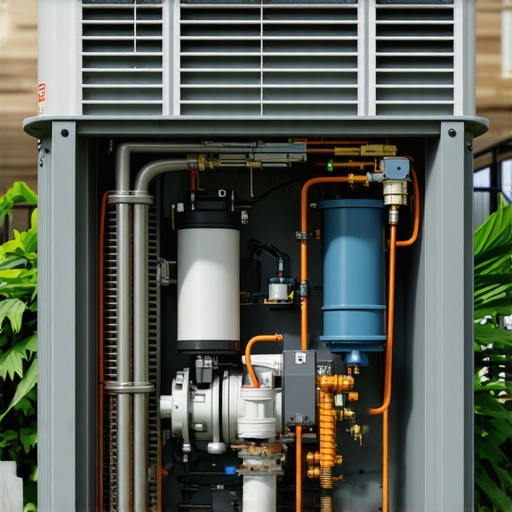
Begin by turning off the power supply to your AC unit at the circuit breaker. Carefully remove access panels to locate the compressor’s electrical contacts and contactor. Check for signs of corrosion, burnt wiring, or loose connections. A common cause of buzzing is a malfunctioning contactor or faulty wiring. Remember, a quick visual inspection can save you from unnecessary replacements and pinpoint issues before they escalate.
Test the Capacitor and Start Relay
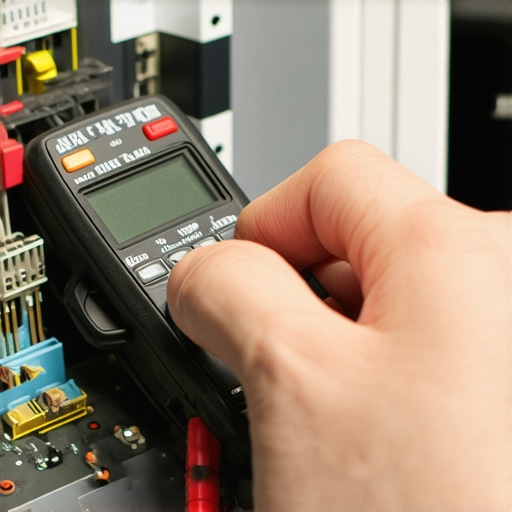
Next, use a multimeter to test the capacitor for capacitance and the start relay for continuity. Capacitors that are weak or failing often cause the compressor to struggle and produce buzzing noises. If tests reveal abnormalities, replacing these components is straightforward and cost-effective. During my last DIY repair, I replaced a faulty start relay, and within an hour, the compressor roared back to life—saving me hundreds in service calls.
Examine the Compressor Motor
If electrical parts check out, listen closely to the compressor itself. A humming or buzzing sound may indicate the motor’s bearings are worn or the compressor is seizing. To test, gently tap the compressor with a rubber mallet while attempting to turn it manually with a wrench—if it moves freely afterward, it might restart. If it’s seized, professional assessment is recommended. Remember, attempting to force a stuck compressor can cause more damage, so proceed with caution.
Clear the Condensate and Check for Obstructions
Clogged condensate drains or debris in the compressor can contribute to operational issues. Ensure that the surrounding area is clean and free of obstructions. Use a vacuum or a brush to clear filters and vents. A clean environment can reduce strain on the compressor, preventing future buzzing sounds and ensuring smoother operation.
Evaluate the Compressor’s Mechanical Condition
If all electrical components are in order but the compressor remains noisy or non-starting, it might be mechanically damaged. Look for oil leaks, corrosion, or broken parts. In such cases, professional replacement may be the only viable option. Many technicians offer installations with warranty-backed services to ensure long-term reliability.
When to Call the Pros
If your troubleshooting doesn’t result in a fix, or if you’re uncomfortable handling electrical parts, it’s safest to contact a professional. Trusted repair services can quickly diagnose and resolve compressor issues, often providing same-day repairs with warranty support. Their expertise minimizes risk and ensures your AC gets back to cooling efficiently.
Document Issues for Warranty Claims
Keep detailed notes and photos of your unit’s problems and repairs. This documentation can prove invaluable if your appliance is under warranty, helping you maximize coverage and avoid unnecessary expenses. For guidance on navigating warranty processes, refer to our tips on maximizing warranty benefits.
Many homeowners operate under misconceptions about appliance warranties, repair services, and installation that can lead to costly mistakes. For instance, a prevalent myth is that extended warranties always guarantee coverage for all repairs. In reality, these plans often come with fine print exclusions, making it crucial to thoroughly review the warranty terms—like those detailed in our warranty-backed services. Additionally, many believe that same-day service is an emergency-only feature, but in fact, reputable providers schedule with precision to ensure minimal downtime, which you can verify during same-day appointment booking. A common pitfall is assuming installation issues are minor; however, improper installation can void warranties and cause long-term damage, emphasizing the importance of professional setup through trusted services, such as those outlined at reliable installation guides. Let’s address some nuances you might overlook to save time and money.
What about the belief that DIY fixes will always save you money? While some minor repairs are manageable, tackling complex systems—especially electrical components like a compressor or control board—without proper expertise can lead to more expensive replacements. Studies by HVAC professionals indicate that over 80% of DIY repairs on electrical components result in secondary damage due to improper handling, making professional intervention the smarter choice (Expert Repair Guide).
Another misunderstood area involves warranty claims. Many assume that as long as the appliance is maintained regularly, coverage is guaranteed. However, failure to document repairs or to follow manufacturer-specific maintenance protocols can invalidate claims. Keeping detailed records and photos can significantly improve your chances—an approach recommended by warranty experts. When considering whether to pursue a repair or replacement, recognize that prematurely replacing an appliance under warranty without proper diagnostics can be a costly mistake. Many issues are temporary or fixable with skilled repairs, which you can explore more about at fast and trustworthy installation services.
Finally, some homeowners overlook the importance of choosing certified technicians over general handymen. Certified technicians undergo rigorous training, understand warranty policies thoroughly, and utilize specialized tools, ensuring the longevity of your appliance. Misjudging the value of certification can void warranties and lead to subpar repairs. Always verify credentials and certifications before proceeding—details readily available on professional service websites or through direct inquiries.
Have you ever fallen into this trap? Let me know in the comments, and share your experiences to help others avoid these common pitfalls.
Maintaining your appliances over time requires more than just basic cleaning; it involves using the right tools and establishing efficient routines that prolong their lifespan and ensure optimal performance. From digital diagnostic devices to specialized cleaning equipment, having the right gear can make DIY repairs and regular upkeep much simpler and more effective.
Embrace Digital Refrigeration Thermometers for Precise Temperature Control
I personally rely on high-precision digital thermometers, such as the ThermoPro TP16, to monitor refrigerator and freezer temperatures accurately. Consistent temperatures prevent food spoilage and help avoid overworking your cooling system. These devices provide real-time readings, alerting you to issues before they become costly repairs. Regularly checking temperatures with these thermometers can catch early signs of failing components, saving you money and food waste.
Invest in a Quality Multimeter to Diagnostic Electrical Components
Electrical issues are common culprits behind appliance malfunction, especially for units making buzzing sounds. A reliable multimeter, like the Fluke 115, allows me to test capacitors and contactors effectively. Personally, I use it to verify if capacitors have lost their capacitance or if relays are functioning properly. The certainty this tool provides has helped me troubleshoot accurately, preventing unnecessary replacements and ensuring repairs are both quick and cost-effective. Use it regularly during routine maintenance to stay ahead of potential electrical failures.
Use a Heat Gun for Delicate Appliance Repairs
For tasks like re-sealing gaskets or softening adhesives, a professional-grade heat gun proves invaluable. I prefer the Wagner HT1000 because of its adjustable temperature control and safety features. This tool allows me to gently loosen stuck components or cure repairs without causing damage. Its precision grants me confidence during complex fixes, especially when working on densely packed units where heat needs to be carefully controlled. Incorporating a heat gun into your toolkit can significantly expand your DIY repair capabilities.
Apply Safe Cleaning Solutions and Equipment
Keeping appliances clean extends their longevity. For instance, I use a handheld steam cleaner, like the McCulloch MC1385, to sanitize areas without harsh chemicals. This method is effective for deep-cleaning vents, filters, and coils, especially in heating and cooling systems. Regular sanitation helps prevent dust and debris buildup that can strain mechanical parts. Combining cleaning with the right equipment minimizes wear and tear, leading to more reliable operation over years.
Stay Ahead with Predictive Maintenance Tools
Looking toward the future, smart diagnostic devices, such as Wi-Fi-enabled sensors and apps, are transforming appliance maintenance. Brands now offer products that monitor performance metrics and notify you when issues arise—think of them as your appliance’s health trackers. I predict that integrating these tools with your routine will become standard, providing proactive alerts that help catch problems early, reducing emergency repairs and extending warranty coverage. To explore this approach, consider setting up predictive systems in your home—it’s an investment into smoother operations and peace of mind.
How do I maintain appliances for the long haul?
Consistent maintenance involves scheduled checks and utilizing the right tools to diagnose and address potential issues early. Regularly testing electrical components with a multimeter, monitoring temperatures with digital thermometers, and performing deep cleans with specialized equipment are practical steps. Documenting these routines, along with scheduling professional inspections, ensures your appliances stay reliable and efficient over the years. For comprehensive repairs or upgrades, don’t hesitate to reach out to trusted professionals—many offer warranty-backed services that provide peace of mind and long-term performance.
By investing in these specific tools and techniques, you’re not just patching problems temporarily; you’re setting up for sustained appliance health. As technology evolves, integrating smart diagnostics and predictive maintenance will become even more essential. So, why not try out a digital thermometer or a multimeter today and see how much easier appliance upkeep can be?