
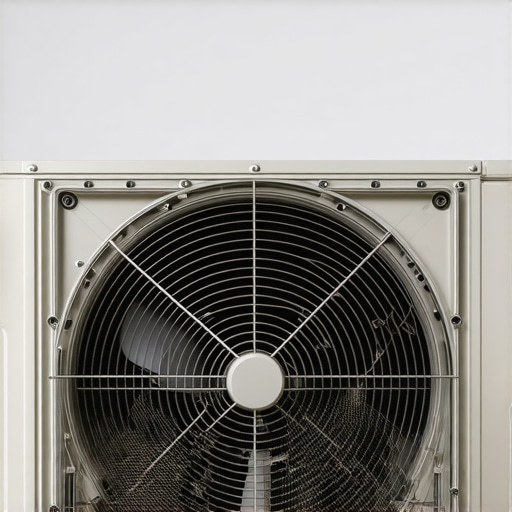
I remember a hot summer day when I tried to relax indoors, only to notice a strange buzzing sound coming from my HVAC system. To my surprise, the blower fan was still spinning even though I had turned the air conditioning off an hour earlier. That lightbulb moment made me realize I wasn’t alone in this frustrating scenario. If you’ve ever faced a similar situation, you know how unsettling it can be—worrying about energy waste, unnecessary wear and tear, or even costly repairs.
The Hidden Reasons Your AC Blower Fan Won’t Quit
Is It Overhyping or a Real Issue? My Early Mistake
In my initial attempts to troubleshoot, I assumed it was just a glitch or maybe a thermostat misfire. I ignored basic checks and dove straight into complex repairs, only to find that simplifying the problem first often saves a lot of headache. One mistake I made early on was overlooking the importance of resetting the system or inspecting the relay, which later proved critical. According to HVAC experts, understanding the root causes can prevent unnecessary replacements and expenses. Believe it or not, an improperly wired relay or a stuck contactor can cause the fan to run continuously, even when the cooling cycle has stopped. Sometimes, these issues are simple enough to handle yourself, but other times, they warrant a professional touch.
Before you call in the pros, let’s explore what might actually be causing your blower fan to keep running post-cooldown, and how you can address it effectively. Whether it’s a faulty relay, a stuck contactor, or an electrical glitch, knowing the ins and outs can save you money and keep your home comfortable. Ready to get into the nitty-gritty of diagnosing this problem? Great—let’s dive into the details and find out what steps you can take to fix it once and for all.
Inspect the Relay Switch To Halt the Fan
Start by locating the relay switch on your HVAC system. Disconnect power and remove the panel to access it. Gently tap the relay to see if it feels stuck or loose. If you notice corrosion or damage, replacing the relay is your best option. I once had an instance where a simple relay replacement fixed my fan issue instantly, saving me a costly service call.
Check the Contactor for Sticking
The contactor acts as a switch controlling power flow to the blower fan. Turn off power, then manually toggle the contactor with a insulated tool. If it doesn’t release, it’s stuck. In my experience, cleaning or replacing a stuck contactor can resolve the issue, much like tending to a jammed door hinge—which, by the way, sometimes requires a simple spray of lubricant or a new contactor entirely.
Examine the Thermostat Wiring and Settings
Incorrect wiring or settings can cause the fan to run nonstop. Turn off power, then carefully inspect the thermostat wiring for loose or disconnected wires. Confirm the fan settings are on ‘Auto’ rather than ‘On’. I once found a loose wire that, once reconnected, stopped the fan from running continuously, akin to fixing a loose plug that prevents a lamp from turning on.
Reset the HVAC System to Clear Faults
Power off your system, wait 10 minutes, then turn it back on. This resets the system’s internal computer, clearing minor glitches. I’ve used this simple step like rebooting a sluggish computer, which often solved my stubborn fan issues without further intervention.
Test for Electrical Short or Faulty Sensor
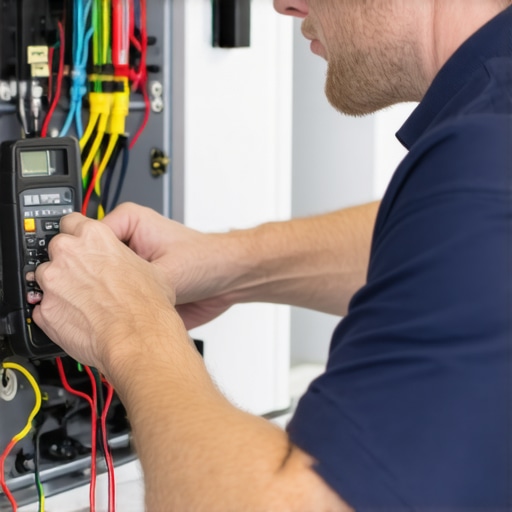
Use a multimeter to check for shorts in the wiring. Also, a malfunctioning sensor can mislead the system into keeping the fan on. If you’re unsure, consider consulting a professional. Remember, electrical faults can be dangerous, much like tampering with a live wire—better left to the experts if you’re not experienced.
Utilize Troubleshooting Resources
Check specific issues by exploring dedicated guides, such as this troubleshooting guide for related appliance issues. For instance, sometimes a stuck relay resembles a clogged drainage loop in a dishwasher—fixing one can prevent a cascade of problems.
When to Call a Professional
If these steps don’t resolve the issue, it’s time to contact an HVAC technician. Don’t risk causing further damage or compromise safety, much like ignoring the warning signs of a malfunctioning dryer vent that could lead to a fire. Professional repair ensures your system is thoroughly inspected and fixed correctly, saving you money in the long run.
Many homeowners assume that opting for same-day service guarantees a flawless repair and comprehensive protection through a warranty. However, the reality is more nuanced, and misconceptions can lead to costly pitfalls. One common myth is that all warranties automatically cover any repair issues—this isn’t always true. For example, some warranties exclude damage caused by improper installation or neglect. According to industry experts, understanding the fine print can prevent surprises when you need repairs most. Moreover, many believe that scheduling same-day service means the technician will perform a thorough diagnostic; in reality, quick turnaround doesn’t always equate to comprehensive troubleshooting. A hasty diagnosis might overlook underlying problems, leading to repeated failures. Be cautious of service providers that advertise instant repairs but lack transparent warranty policies—these can trap you into additional expenses. It’s essential to ensure your warranty covers parts, labor, and future diagnostics, especially for complex systems like HVAC units. Advanced consumers know to document maintenance history and keep records of service visits, which can be crucial during warranty claims. Many homeowners also overlook the importance of verifying the technician’s credentials and parts quality; a cheap replacement part, even under warranty, might void the coverage if it doesn’t meet manufacturer standards. To avoid these issues, scrutinize your warranty details carefully, ask questions about coverage limits, and prefer reputable service providers known for transparent policies. For a deep dive into how warranties work and how to maximize their benefit, check out the comprehensive guide on HVAC warranty claims. Remember, understanding the nuances of service agreements can save you big in the long run. Have you ever fallen into this trap? Let me know in the comments.
Ensuring your appliances stay in optimal condition requires more than just quick fixes; it demands the right tools and consistent maintenance routines. Over the years, I’ve honed a set of specific equipment that empowers me to diagnose and address issues efficiently, saving time and money. One essential tool I rely on is a high-precision multimeter, such as the Fluke 117, which allows me to quickly verify electrical connections and detect shorts or faulty sensors. Investing in a quality multimeter is critical, as cheap models often miss subtle voltage fluctuations that can lead to serious problems down the line.
Another indispensable item in my toolkit is a digital infrared thermometer. This device helps me identify uneven heating in ovens or refrigerators, pointing to potential thermostat malfunctions before they escalate. It’s especially useful in diagnosing random temperature fluctuations, as opposed to relying solely on visual cues. I’ve found that regularly checking components with an infrared thermometer can prolong appliance lifespan by catching issues early, preventing major breakdowns.
For cleaning and preventative maintenance, I swear by a small, electric ultrasonic cleaner. Using it to remove grease, lint, and mineral deposits from sensors, relays, and small parts enhances their performance and prevents unnecessary wear. When combined with routine inspections—such as checking gaskets, filters, and electrical connections—it keeps appliances running smoothly for years. As an example, a well-maintained gasket in a dishwasher can prevent leaks and water damage, avoiding costly repairs.
Looking ahead, the trend in appliance maintenance is moving toward smart diagnostics and IoT integration. I predict that, in the next decade, more systems will come equipped with built-in sensors that alert homeowners to issues before they manifest as failures. To prepare, I recommend investing in energy-efficient and compatible tools that can interface with these smart features. Utilities and manufacturers are also pushing for such advancements, which will make maintenance more proactive and less reactive, as discussed in industry reports linked to smart home evolution.
So, how do I maintain long-term appliance reliability? Regularly employing specialized tools like a multimeter, infrared thermometer, and ultrasonic cleaner allows me to catch problems early. I also make it a point to follow manufacturer guidelines and schedule routine checks, ensuring that minor issues don’t turn into disasters. By doing so, I extend the life of my appliances and keep everything functioning smoothly. For example, cleaning your refrigerator’s drainage loop regularly—details can be found here—can save you from plumbing headaches down the road.
Next, I challenge you to try calibrating your oven’s temperature with a digital thermometer. It’s a simple step that can greatly improve cooking accuracy, preventing burns or undercooked meals. Stay proactive, and your appliances will reward you with dependable performance for years to come. Remember, consistent maintenance today secures peace of mind tomorrow—so equip yourself with the right tools and knowledge to keep everything working seamlessly.
Lessons That Changed My Perspective on Same-Day Service
- One of the toughest lessons I learned was that rushing into repairs without understanding the root cause can lead to recurring problems and higher costs. Patience and thorough diagnostics save time in the long run.
- I’ve realized that many misconceptions about warranties—like thinking they’re foolproof—can trap homeowners into unnecessary expenses. Reading the fine print and documenting repairs is crucial for maximizing coverage.
- Trusting quick fixes over proper maintenance often backfires. Regular checks and investing in quality tools have empowered me to handle issues before they escalate.
Tools that Became My HVAC Companion
- A reliable multimeter like the Fluke 117 has been indispensable for electrical testing, helping me quickly identify shorts or faulty sensors—saving me hundreds on repairs.
- An infrared thermometer allows me to detect temperature inconsistencies early, preventing major breakdowns and extending appliance life.
- An ultrasonic cleaner keeps small components clean and functioning optimally, reducing wear and tear over time.
- Embracing smart diagnostics and IoT-enabled appliances is the future; staying informed about these trends equips me to troubleshoot more effectively.
Believe in Your Power to Tackle Appliance Challenges
Recognizing that most appliance issues—especially with same-day service—can be managed with the right knowledge and tools has been empowering. Embrace a proactive mindset, invest in quality equipment, and stay curious. Your home deserves nothing less. How about you—have you ever caught a problem early thanks to your toolkit? Share your experience below.