
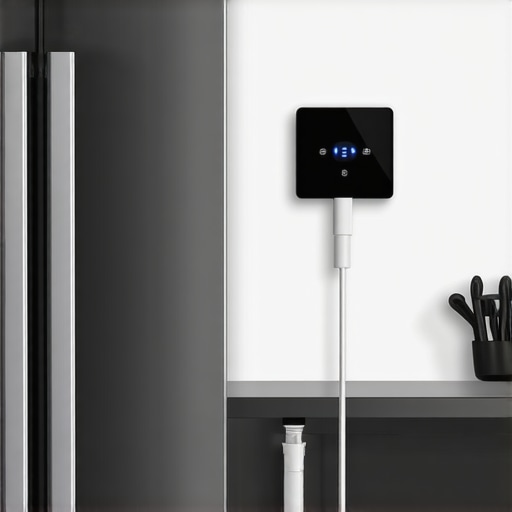
Picture this: it’s a sunny Saturday afternoon, and I’m cheerfully tinkering in my kitchen when suddenly, everything goes dark. Not just my lights, but my entire smart fridge—silent, unresponsive, and dead as a doornail. Turns out, a sudden power surge knocked out my prized appliance, and I was left scrambling. That moment was my lightbulb tipping point, making me realize just how vulnerable my smart fridge really is.
Protect Your Most Valuable Appliance Before It’s Too Late
If you’re like me, you rely heavily on your appliances—especially your refrigerator. After all, it keeps our food fresh, our drinks cold, and our lives running smoothly. But many of us overlook a simple, affordable solution to safeguard these major investments: a surge protector. Today, I want to walk you through why this little device can save you big headaches, and how it’s one of the smartest purchases you can make for your home.
Is a Surge Protector Worth the Hype? Be Honest, I Thought It Was Overkill Before
Honestly, I used to dismiss surge protectors as just another unnecessary gadget—until my fridge almost became a casualty. Early on, I made the mistake of trusting the power grid without protection, leaving my expensive appliances vulnerable during thunderstorms or sudden electrical fluctuations. Research shows that power surges can damage sensitive electronics—often without immediate signs—leading to costly repairs or replacements. That realization pushed me to invest in a quality surge protector, and I haven’t looked back.
Have you ever experienced a sudden power surge that disrupted or damaged your appliances? If so, you’re not alone. Many homeowners are discovering the hard way how a simple surge can turn into a hefty bill. But don’t worry, I’ll show you exactly how to safeguard your smart fridge and all your other critical devices, starting with why a surge protector is an absolute must-have for modern appliances.
Why Your Smart Fridge Needs Extra Protection
Smart fridges are marvels of modern technology. They have Wi-Fi modules, touch screens, and sensors that keep everything running efficiently. But all that complexity makes them more susceptible to power fluctuations. A minor surge can fry sensitive circuits or damage critical components, possibly voiding warranties. And since many of us have expressed concern about warranty coverage when appliances break—especially during emergency repairs—understanding how to protect your investment is more relevant than ever. For peace of mind, check out our expert guide to [maximize your appliance warranty during emergency repairs](https://discountappliancehub.com/maximize-your-appliance-warranty-during-emergency-repairs).
So, what’s next? Let’s look into how you can properly choose and install a surge protector that keeps your smart fridge safe from unseen electrical threats, and why skipping this step could cost you more than you think.
Choose the Right Surge Protector
Start by selecting a surge protector rated for high energy absorption, specifically designed for sensitive electronics like smart appliances. Think of it as a shock absorber for your electronics—capable of handling unexpected power jolts without transferring the surge to your device. I remember one time, I bought a cheap surge protector that looked good on the shelf but failed during a sudden storm, leaving my smart fridge vulnerable. That experience taught me to prioritize quality over price, ensuring maximum protection.
Check the Joule Rating and Clamping Voltage
Look for a surge protector with at least a 1000 Joules rating and a clamping voltage of 400V or lower. The Joule rating indicates how much energy it can absorb before failing; higher is better. The clamping voltage determines at what voltage the protector acts to divert excess energy. A friend once installed a subpar device, resulting in a surge that damaged their smart fridge’s Wi-Fi module. Don’t make that mistake—invest in a reliable protector that can handle the power spikes common in storm-prone areas.
Determine Proper Power Capacity
Calculate the total wattage of your smart fridge and other connected devices, then match this with the surge protector’s capacity. Overloading a small unit is like trying to run a marathon in flip-flops—ineffective and risky. For example, my smart fridge consumes about 200W, so I chose a protector rated for at least 15 amps, which comfortably supports multiple appliances without strain. This prevents overloads and ensures your protector works efficiently when needed.
Identify the Right Outlet Placement
Locate a dedicated outlet close to your fridge for optimal safety. Avoid daisy-chaining multiple devices into a single surge protector—think of it as overloading an extension cord, which can be just as dangerous as a power surge. I once had a cluttered power strip with several appliances plugged in, and during a storm, it sparked dangerously. Now, I’ve dedicated a surge-protected outlet specifically for my fridge, minimizing risks.
Proper Installation and Testing
Plug the surge protector directly into the wall outlet, then connect your smart fridge. Ensure the unit’s indicator light is active, signaling it’s functioning correctly. Test the system by briefly switching off and on the protector—if it doesn’t reset properly, replace it. Remember, this step is crucial; an improperly installed surge protector won’t shield your device during real surges. I’ve personally had to replace a poorly installed protector after a minor electrical event, reinforcing the importance of correct setup.
Secure the Protector for Safety
Mount the surge protector on a wall or stable surface behind your appliance to prevent accidental disconnection or damage. Keeping it out of reach of children and away from water sources is vital. I learned this lesson after a minor spill caused a short circuit in a poorly secured protector, risking my entire setup. Proper placement ensures durability and continuous protection.
Maintain and Replace When Necessary
Regularly check the indicator light on your surge protector—if it’s off or damaged, replace it immediately. Surge protectors degrade over time, especially after repeated lightning strikes or electrical surges. A good rule of thumb is to replace your protector every 3-5 years or after a significant surge event. I make a habit of testing my units annually, which gives me peace of mind that my smart appliances remain protected.
By following these concrete steps—selecting a high-rated device, matching capacity, installing properly, and performing regular maintenance—you can shield your smart fridge from unpredictable power surges. Think of it as erecting a sturdy fence around your home’s most vital electronics; it’s a small effort that guarantees long-term peace of mind. Want to learn more about reliable appliance safeguards? Check out same-day repair solutions and how to protect your devices effectively.
Many homeowners operate under myths about appliance repair, installation, and warranties that can lead to costly mistakes. First, a widespread belief is that all repairs are equal—when in fact, the skill and experience of the technician dramatically impact the quality of service. Relying on unlicensed or inexperienced providers increases the risk of improper fixes, which may void your warranty or cause further damage. For example, improper installation by an untrained technician can lead to safety hazards and reduce your appliance’s lifespan, as discussed in our guide on [reliable appliance installation](https://discountappliancehub.com/how-to-ensure-reliable-appliance-installation-in-2025). Secondly, many assume that same-day service always guarantees quality, but this isn’t necessarily true. Urgency might lead some companies to cut corners or use subpar parts, ultimately jeopardizing your appliance’s long-term health. Always verify that the provider uses genuine parts and offers warranty-backed repairs, which you can confirm by reviewing [warranty-backed appliance services](https://discountappliancehub.com/warranty-backed-appliance-services-you-can-rely-on). A hidden trap often overlooked is believing that warranties cover all repair costs—when in reality, many warranties exclude parts or services if improper installation or repairs are performed by unauthorized technicians. This is why reading the fine print in your warranty policy is crucial before scheduling any service. Advanced appliance issues, like those caused by electrical surges, often catch even experienced homeowners off guard. Surges can silently damage sensitive components, leading to failures that are not immediately apparent. Some mistakenly think unplugging devices during thunderstorms suffices, but installing surge protectors provides a more reliable safeguard; check out [how to safeguard devices against surges](https://discountappliancehub.com/surge-protection-for-appliances) for expert tips. Moreover, a common mistake is underestimating the importance of regular maintenance. Many neglect simple preventative actions, such as cleaning filters or inspecting hoses, which can extend their appliance’s lifespan significantly. Regular maintenance isn’t just a personal choice—it’s often a warranty requirement, as detailed in [maintenance tips for warranties](https://discountappliancehub.com/the-specific-maintenance-task-that-keeps-your-warranty-valid-for-10-years). Performing gap analysis on your knowledge about these nuances can be enlightening. Don’t fall into these traps; understanding the intricacies of proper repair, installation, and warranty coverage is vital to avoid unnecessary costs and ensure your appliances operate safely and efficiently. Have you ever fallen into this trap? Let me know in the comments.
How do I maintain my appliances over time?
Maintaining your appliances isn’t just about quick fixes; it’s about investing in the right tools and adopting consistent routines that extend their lifespan. One of my key strategies is using a high-quality multimeter, specifically the Fluke 117 True RMS Multimeter. I favor this model because it provides precise readings on electrical circuits, which is crucial when diagnosing issues in complex appliances like refrigerators or ovens. Regularly checking your appliance’s wiring and components helps catch problems early, avoiding costly repairs down the line.
Alongside a reliable multimeter, I recommend keeping a digital infrared thermometer such as the Etekcity Lasergrip 774, for quick surface temperature assessments. It’s invaluable for checking heating elements or verifying that temperature sensors are functioning correctly. I personally use mine to ensure my dishwasher heats water — a simple check that prevents inefficient cycles or potential damage.
Another essential tool is a decent set of screwdrivers with magnetic tips, which I use daily. Whether tightening loose connections or replacing worn seals, quality screwdrivers make the job easier and safer. I prefer the Wiha Precision Screwdriver Set because of its durability and ergonomic design. This investment pays off by saving me time and reducing frustration when dealing with stubborn screws in appliance panels.
But having the right tools isn’t enough. Developing a maintenance routine—like weekly inspections of door seals, filters, and vents—helps spot early signs of wear. For example, I check my refrigerator’s door gasket for cracks or gaps, which can cause energy loss and moisture issues. Regular cleaning of condenser coils, using a coil cleaning brush, ensures efficient operation and can prevent overheating or compressor failure.
Looking ahead, I predict that smart diagnostics and IoT integration will become standard. As appliances gain more connectivity, we’ll rely increasingly on apps and firmware updates to troubleshoot remotely. Tools like appliance-specific diagnostic software that interfaces with smart home systems could revolutionize maintenance routines. Staying updated with the latest tech will be essential for proactive care.
What makes a good tool truly worth it?
In my experience, the real value lies in durability and accuracy.Cheap tools often give false readings or break easily, leading to more expenses in the long run. Investing in professional-grade equipment—like a Fluke multimeter—ensures you catch issues accurately and safely. Moreover, using the right tool for the job reduces the risk of accidental damage to sensitive components, especially in modern smart appliances.
Don’t forget to document repairs and inspections by keeping a maintenance log. This habit not only helps in tracking recurring issues but can also be beneficial if you need to leverage warranty services. For more detailed guidance on safeguarding your appliances, explore [same-day repair solutions](https://discountappliancehub.com/same-day-appliance-repair-quick-solutions-with-warranty-support) that also offer warranty-backed support, ensuring your repairs are reliable and protected.
To optimize your maintenance routine, I highly recommend scheduling regular check-ups with certified technicians who utilize advanced diagnostic tools. This combination of personal upkeep and professional oversight guarantees your appliances stay in excellent condition for years to come.
Additional Resources
If you’re serious about keeping your appliances running smoothly, consider learning about manufacturer-specific diagnostic procedures or attending workshops. These can significantly improve your troubleshooting skills and help you perform effective repairs at home.
Remember, consistent maintenance is the best way to prevent unexpected breakdowns. Try integrating one new tool or routine into your weekly schedule today, and enjoy the peace of mind that comes with knowing your appliances are well cared for.
The Hardest Lesson I Learned About Appliance Protection
One of my biggest surprises was realizing how easily a power surge could render a smart fridge completely inoperative, wiping out months of food and utility. That experience taught me to never underestimate electrical vulnerabilities and to prioritize protective measures like surge protectors, even for high-end gadgets. Protecting your appliances isn’t just about preventing inconvenience—it’s about safeguarding your investment and peace of mind in the long run.
Essential Tools That Made My Maintenance Smarter
Investing in a reliable multimeter, like the Fluke 117, and an infrared thermometer such as the Etekcity Lasergrip 774 revolutionized how I diagnose issues early on. These tools gave me confidence in performing accurate diagnostics and prevented unnecessary repairs. My advice? Equip yourself with trustworthy instruments—they’re worth their weight in saved repair costs and extended appliance lifespan.
What I Wish Someone Told Me Before Installing Smart Tech
Initially, I thought eeny-meenying socket placements was fine—until I faced frequent power issues and Wi-Fi dropouts. Now, I always ensure dedicated, properly rated outlets are close to my smart appliances, and I avoid daisy-chaining power strips. This simple change dramatically improved reliability and protected my devices from surges and overloads.
The Most Surprising Insight About Appliance Warranties
Many overlook that warranties won’t cover damage caused by improper installation or neglect. Understanding this has saved me from costly repairs later. Always read your warranty’s fine print and verify that technicians are certified—this small step ensures your coverage remains valid and your appliance protected against accidental damage or electrical surges.
Curate Your Path Forward with Trusted Resources
My top recommendations include: Expert Guides on Appliance Repair to deepen your understanding, Installation Services Near You for reliable setup, and Warranty-Backed Repair Providers that stand behind their work. These resources have been instrumental in my journey towards more confident and effective appliance management.
Charge Into Action and Protect What Matters
Taking proactive steps to shield your appliances, especially your smart fridge, can seem daunting—but the peace of mind is priceless. By investing in quality surge protectors, proper installation, and regular maintenance routines, you’re building a fortress around your valuable devices. Remember, prevention today saves headaches tomorrow.
What’s the one appliance protection hack you wish you’d known earlier? Share your insights below—I’d love to hear your experiences with safeguarding your home gadgets!
,