
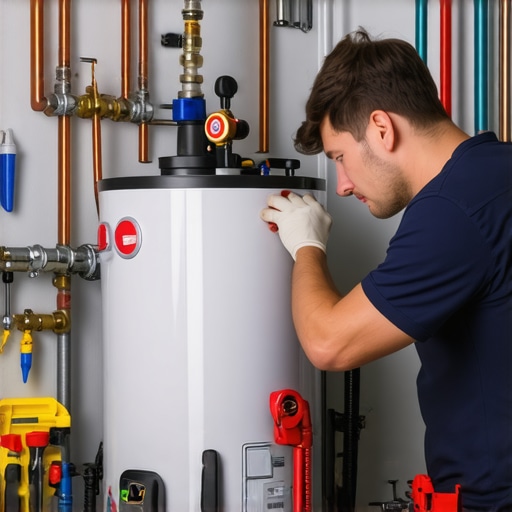
It was a chilly morning when I opened my utility closet and discovered a small shimmering pond forming beneath my water heater. My heart sank. That tiny leak had been slowly seeping for days, but I ignored it, convincing myself it was a minor issue. Little did I realize, neglecting same-day repair could turn a manageable fix into a costly disaster.
Don’t Let Small Leaks Turn Into Big Headaches
I’ve learned from my own mistakes—delaying repairs on essential appliances like water heaters can lead to water damage, higher repair costs, and even the need for complete replacements. When I finally called in a local expert for a same-day appliance repair, they not only fixed the leak swiftly but also prevented further damage. This experience was a wake-up call, showing me why prompt action isn’t just convenient—it’s critical for protecting your home and budget.
Today, I want to share the reasons why a leaking water heater requires immediate attention and how you can tackle it before it escalates into a nightmare. If you’ve ever faced a similar situation, you know the anxiety of watching that small drip turn into a flood. Let me guide you through what to do—and what not to do—when your water heater starts acting up.
Is Postponing Repairs Always a Good Idea?
I made the mistake early on of assuming that a small leak could wait until the weekend. Spoiler: It can’t. According to experts, water heaters are among the most common appliances leading to household water damage when they malfunction, and delays only increase the risk. In fact, the Insurance Information Institute reports that water damage from appliance leaks can cost homeowners thousands in repairs. So, acting quickly isn’t just smart—it’s essential.
If you’re unsure whether your water heater leak warrants immediate attention, knowing the warning signs and understanding the risks can make all the difference. Next, we’ll explore how to identify urgent issues and why professional same-day service can save you a lot of trouble.
Turn Off the Power and Water Supply Immediately
As soon as you notice the leak, cut off the electricity to prevent electrocution or further damage. Locate the circuit breaker or unplug the unit if accessible. Then, shut off the water supply to stop the leak at its source. This simple step is crucial to preventing water from spreading and causing more extensive damage.
Locate the Leak and Assess Its Severity
Identify where the water is dripping from—whether it’s a valve, tank, or fitting. Use towels or a bucket to contain minor drips. If the leak is a small crack or a worn-out valve, you might attempt a temporary fix, but for larger or more severe leaks, professional intervention is essential. Remember, attempting complex repairs without proper knowledge can lead to further complications. For comprehensive service, consider contacting a same-day repair specialist.
Apply Temporary Fixes for Minor Leaks
If the leak is minor, sealing it with epoxy or wrapping it with waterproof tape can buy you time. These are short-term solutions and not substitutes for professional repairs. Think of it like duct tape on a pipe—helpful in a pinch but not a permanent fix. Document the damage with photos to facilitate insurance claims or warranty support, referencing these guidelines.
Schedule an Immediate Professional Inspection
Contact a certified technician for same-day service. A qualified expert can accurately diagnose whether the tank needs replacement or if a part can be repaired or replaced. Remember, warranties often cover certain repairs if you act quickly, which minimizes out-of-pocket expenses. Learn more about warranty-backed services.
Prepare for the Repair Process
Gather all relevant documentation, such as warranty papers, purchase receipts, and photos of the damage. Clear the area around the water heater for easy access. If the repair includes replacement of major components, ask whether the technician offers installation services linked to your existing warranty or if you need to schedule a separate appointment at professional installation.
Document and Review Your Warranty Coverage
Post-repair, review your warranty to ensure the work is covered and to streamline any future claims. Experts recommend understanding your coverage details, which can be checked at top tips for warranty coverage. Proper documentation will also aid in case of recurring issues or disputes.
Follow Up and Prevent Future Leaks
Schedule regular maintenance to monitor your water heater’s condition, just like a routine health check-up. Many leaks originate from neglected parts that can be easily inspected or replaced proactively, saving you money and stress. Consider signing up for warranty extensions or maintenance plans that include priority service and repairs.
Many homeowners operate under misconceptions about appliance repair, warranties, and the magic of same-day service. Common beliefs like “warranty coverage is foolproof” or “any technician can handle installation” often lead to costly mistakes. In reality, understanding nuanced differences—such as what a warranty truly covers or how professional installation impacts your appliance’s longevity—can save you time and money. For example, many assume that all repair services are equally reliable, but some providers cut corners or lack proper certifications, jeopardizing your appliance’s performance and warranty validity. A widespread myth is that warranties cover routine maintenance, yet most exclude regular checks, leaving homeowners vulnerable to avoidable failures. Moreover, while same-day service is advertised as a quick fix, not all technicians can deliver consistent quality on short notice, especially during peak times. Failing to verify a technician’s credentials beforehand can lead to improper repairs and even void your warranty, making it vital to choose trusted experts like those found through professional repair specialists. Additionally, improper installation—such as incorrect leveling or improper electrical connections—can cause early appliance failure, security hazards, or warranty denials. To ensure a seamless experience, homeowners should focus on verifying warranties’ exact scope, scheduling certified technicians for installations, and understanding how to navigate emergency repairs effectively. According to the Consumer Reports study on appliance longevity, improper installation and delayed repairs significantly reduce an appliance’s lifespan, emphasizing the importance of expert intervention. Being informed about these hidden nuances allows you to avoid costly pitfalls and maximize your appliance investment. Have you ever fallen into this trap? Let me know in the comments.
Keeping It Working: Tools I Recommend for Appliance Maintenance
When it comes to maintaining appliances and ensuring their long-term performance, having the right tools can make all the difference. Personally, I rely on a combination of professional-grade equipment and smart software solutions to diagnose, repair, and optimize home appliances efficiently. One essential tool I always recommend is a high-quality digital multimeter. It allows me to quickly verify electrical connections, voltages, and resistances, preventing potential hazards and unnecessary replacements. For example, checking the heating element’s continuity in a dryer or oven becomes straightforward with a reliable multimeter, saving time and money.
Beyond basic tools, I swear by a cordless rotary tool fitted with various attachments. This versatile device helps me clean corroded contacts, smooth out minor leaks, or modify components during installations or repairs. The portability of a cordless model ensures you can work comfortably in tight spaces, a common scenario in appliance repairs.
In terms of software, I use diagnostic apps tailored to specific brands, especially smart appliances connected to Wi-Fi. These apps enable remote troubleshooting and firmware updates, extending the appliance’s lifespan and reducing downtime. Keeping firmware up-to-date ensures compatibility with emerging smart home devices and guards against security vulnerabilities, which are increasingly relevant as homes become smarter.
On the maintenance front, I recommend using a high-quality, non-abrasive cleaner designed for appliances. Regularly cleaning filters, vents, and drainage paths prevents build-up that can reduce efficiency or cause failures. For instance, taking five minutes monthly to clear a dishwasher’s filter can significantly extend its operational life and prevent costly repairs down the line. Remember, proactive care is always cheaper and less stressful than reactive fixes.
Looking ahead, I believe the future of appliance maintenance will lean heavily on automation and AI-powered diagnostics. Imagine smart tools that can analyze appliance performance in real-time and alert homeowners or professionals before issues escalate. Companies are already developing sensors that monitor components’ health and send alerts directly to your phone—say, about an imminent pump failure or coil leak—allowing for timely interventions. This trend not only promises to reduce emergency repairs but also to optimize repair workflows for technicians, making same-day service even more efficient.
To make the most of these advancements, I suggest integrating diagnostic software with your maintenance routines. For example, using a sensor-based system that tracks usage patterns can inform you when filters or seals need replacement, saving money and extending the appliance’s service life. If you haven’t already, explore tools like smart diagnostic apps or sensor systems to stay ahead of potential issues. For expert assistance and professional recommendations, don’t hesitate to reach out to experienced repair specialists.
Finally, an important best practice is documenting all maintenance activities, including equipment used and inspection dates. This record-keeping can be invaluable when dealing with warranties or insurance claims. Remember, consistent maintenance and the right tools—not just hardware but also knowledge—are your best allies in keeping appliances running smoothly for years to come. Ready to upgrade your toolkit? Try implementing a smart diagnostic sensor system in your home. It could save you a lot of trouble and money in the long run.
What I Wish I Learned About Appliance Emergencies
One of the most eye-opening lessons came early—trusting that small leaks or minor glitches can wait often spirals into bigger problems. I realized that swift action not only saves money but also preserves the home environment. Also, I used to think warranties cover everything; turns out, understanding the fine print and documentation is crucial to avoid surprises. Finally, I discovered that choosing qualified, certified technicians for repairs and installations makes all the difference in long-term appliance health and warranty validity.
Tools and Resources That Keep My Repairs on Track
My top recommendation is a high-quality digital multimeter because it helps me diagnose electrical issues confidently. I also rely on smart diagnostic apps tailored for specific appliance brands—these tools provide quick insights and troubleshooting tips. For maintenance, a non-abrasive cleaner designed for appliances prevents buildup and failure. Lastly, I trust reputable service providers like those recommended through trusted platforms, ensuring quick, reliable, and warranty-compliant repairs every time.
Keep Moving Forward: Your Appliance Care Journey
Dealing with appliance leaks and malfunctions can be daunting, but remember, you hold power in your choices. Stay vigilant with regular maintenance, act immediately when problems arise, and invest in quality service and tools. Your appliances will thank you with longer lifespans and fewer surprises. Don’t wait for a small drip to turn into a flood—be proactive today and protect your home investment. What’s the first step you’ll take to improve your appliance care routine? Share your plans below!