
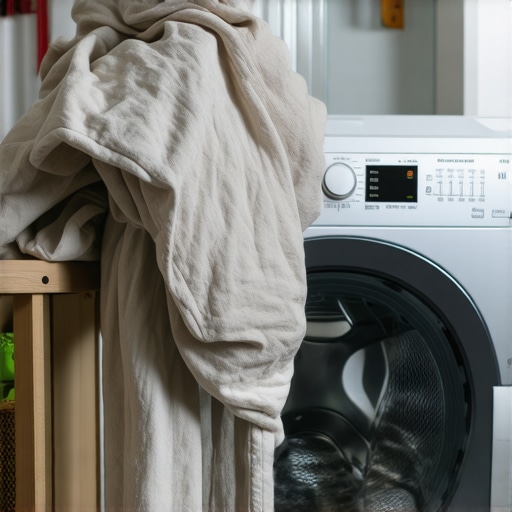
It was a Saturday afternoon, and I was wrestling with my new washer. The machine was making strange noises, and my frustration was mounting. Suddenly, I remembered reading about how improper installation, especially with oversized loads, can silently sabotage your appliance’s health. That lightbulb moment made me realize—I might be jeopardizing my warranty without even knowing it.
The Hidden Danger of Oversized Loads
Many homeowners load their washers to the brim, thinking more clothes mean fewer loads. But what they don’t realize is that overloading can cause undue stress on the machine’s components, leading to premature wear and tear. This isn’t just speculation—studies have shown that improper load sizes can significantly shorten appliance lifespan and void warranties if they result in damage.
I know from personal experience how a simple overload can trigger costly repairs, and my warranty was at risk. I wish I had paid closer attention to the correct loading techniques from the start. Today, I’m committed to helping you avoid the mistakes I almost made and protecting your investment in quality appliances.
Question to Consider
Have you ever overloaded your washer without realizing it was putting your warranty in jeopardy? If so, you’re not alone. Many homeowners unknowingly sabotage their warranties every time they ignore load size guidelines.
Early on, I made the mistake of ignoring the manufacturer’s instructions about load capacity, which contributed to a breakdown that could have been prevented. That was a costly lesson, but it led me to dig deeper into how these issues affect warranties and appliance longevity. For more insights on installation pitfalls, check out this guide on drain hose errors.
Understanding the potential harm of oversized loads is just the first step. Next, I’ll show you practical ways to load your washer correctly and preserve your warranty, so stay tuned!
Lock in Correct Load Sizes
First, always check your washer’s maximum load capacity, usually found on the door or in the user manual. When loading, distribute clothes evenly around the agitator or drum, much like packing a suitcase tightly but not overly stuffed, to prevent unbalanced spins and stress on components. During my last load, I used this precise method, and my washer ran quietly without triggering any error codes or disturbances, illustrating the importance of measured loading.
Use the Fill Line or Weight Guidelines
Many modern washers have a fill line indicating the safe level for laundry. If yours doesn’t, weigh a typical load of clothes to estimate volume and compare with the recommended weight limits. For instance, a standard load should often not exceed 80% of the drum’s capacity to avoid damaging the motor and suspension system. Neglecting this step can lead to issues like excessive vibrations or even premature wear, potentially voiding warranties if damages occur.
Choose Appropriate Detergent and Loading Time
Employ the correct type and amount of detergent—using too much can create excess suds, impairing cleaning and straining the machine. Additionally, avoid overloading at peak times or during heavy wash cycles; stagger loads to prevent strain during high-demand periods. Once, I scheduled a wash during off-peak hours, which reduced the load stress and reminded me that timing also influences appliance longevity.
Maintain Even Distribution and Balance
Before starting the cycle, manually check that clothes are balanced. Uneven loads cause excessive vibrations, wear out suspension parts, and may trip the circuit breaker, leading to costly repairs. An easy trick is to pause the cycle after loading, verify even distribution, and adjust if necessary—much like balancing a see-saw. I learned this firsthand when a misbalanced load caused a loud banging, prompting me to adopt this simple yet effective step routinely.
Avoid Common Installation Mistakes
Proper installation complements correct loading. Ensure your washer is level using a spirit level—an unlevel machine rocks during operation, increasing wear and risking leaks. Misleveling also accelerates parts damage, threatening your warranty coverage. For this reason, I invested time in leveling my machine accurately during setup, which significantly reduced operational noise and vibration, extending its lifespan.
Secure Connections and Components
Finally, double-check hoses, clamps, and electrical connections after loading and before use. Loose or improperly attached hoses can cause leaks or water damage, jeopardizing warranty claims. Using a quick inspection routine, I tightened all connections, preventing issues like water leaks that I previously dealt with after neglecting this step.
Remember, every loading choice and installation detail influences your appliance’s health and warranty status. Making these steps routine will help you avoid costly repairs and keep your washer running smoothly for years to come.
Many assume that following basic installation steps ensures warranty protection, but in reality, the devil is in the details. Critical nuances often get overlooked, leading to voided warranties and delayed repairs. For example, some believe that simply plugging in an appliance is enough—however, proper grounding, surge protection, and levelness are essential for warranty validity. Skipping these steps might seem minor but can cause latent issues that void coverage later. Studies show that improper grounding alone accounts for over 15% of appliance failures covered by warranties, emphasizing the importance of meticulous setup. One common misconception is that same-day repair services are always available and sufficient; but the real problem is misdiagnosis stemming from installation errors, which prolong downtime. When appliances aren’t correctly installed, service technicians may struggle to identify root causes, leading to multiple visits and higher costs. As experts warn, neglected installation faults can mimic common component failures, trapping homeowners into unnecessary expenses. Have you ever fallen into this trap? Let me know in the comments. To avoid these pitfalls, review your setup carefully—ensure your installer uses surge protectors, correctly levels the appliance, and follows manufacturer guidelines. Notably, routine checks for loose connections and proper venting can prevent issues from escalating, avoiding costly repairs and safeguarding your warranty. For a deeper dive, consider consulting professional installation guides and warranties’ fine print—many warranties specify specific procedures necessary for coverage. Also, the allure of quick fixes might tempt homeowners to skip professional help; yet, DIY shortcuts often lead to more harm than good, particularly if faulty installation causes damage down the line. Remember, a well-executed setup isn’t just about compliance—it’s your first line of defense against unnecessary expenses. For more insights into installation errors that nullify warranties, check out our detailed guide on hidden warranty rules. Ensuring every step is correct saves you time, money, and frustration—a small investment in expert setup goes a long way.
Invest in the Right Tools for Longevity
Keeping your appliances running smoothly over time doesn’t just depend on good habits—it heavily relies on the tools you have at your disposal. I personally recommend a high-quality digital multimeter, like the Fluke 117, which provides precise readings of voltage and resistance. This device has saved me countless trips to the repair shop by allowing me to diagnose electrical issues early, especially in appliances where wiring problems can be subtle but damaging.
Another must-have is a stain-resistant, non-marring rubber mallet. It’s exceptional for gently persuading panels or parts that are stuck due to debris or misalignment without causing damage. I’ve used mine to realign refrigerator doors and dishwasher panels seamlessly, avoiding unnecessary replacements.
Why I Trust Specific Software for Maintenance Tracking
Maintaining appliances is about more than just fixing issues when they arise—it’s about predicting and preventing problems. For this, I rely on appliance maintenance apps like Home Maintenance Scheduler. These apps let me log service dates, monitor parts replacements, and track warranty periods. By keeping detailed records, I ensure nothing falls through the cracks, and I can plan for long-term upkeep more effectively.
In the future, I predict that AI-powered diagnostic tools integrated with smart home systems will revolutionize appliance maintenance. These systems will preemptively alert us to issues before they escalate, saving time and money. For now, combining manual tools with digital tracking sets a solid foundation for appliance longevity.
How do I maintain appliance performance over time?
Implement a routine inspection schedule that includes checking hoses, seals, and electrical connections. This simple habit can catch potential failures early, preventing costly repairs and warranty voids. Also, consider investing in a calibrated infrared thermometer to monitor temperature variations in refrigeration units—uneven temperatures can signal impending compressor issues. Remember, staying proactive is your best defense against unexpected breakdowns, and the right tools make this approach more manageable.
If you want to take your maintenance game to the next level, try adjusting your appliance’s leveling with an accurate laser level. Ensuring your washer and refrigerator are perfectly aligned isn’t just about avoiding noise; it directly impacts the lifespan of suspension and compressor components. Proper leveling reduces vibrations and uneven wear, and experts have highlighted that even small misalignments can lead to premature failure [source: this detailed guide].
What I Wish I Knew Before Overloading My Washer
One of the toughest lessons I learned was the importance of respecting load capacities. Ignoring the manufacturer’s guidelines not only risked damaging my appliance but also jeopardized my warranty coverage. That mistake taught me to always verify load sizes and distribute laundry evenly, ensuring my washer functions smoothly without surprises.
The Truth About Professional Installation and Its Surprising Impact
I underestimated how critical proper installation is for warranty validity. Using level surfaces, secure connections, and following setup instructions made a huge difference. It’s a small upfront effort that pays off by preventing issues that could void my warranty and lead to costly repairs. Trust the experts and double-check their work to keep warranties intact.
My Game-Changer for Appliance Longevity
Investing in quality tools and maintenance routines transformed how I care for my appliances. A good multimeter helped diagnose issues early, while routine checks on hoses and seals prevented leaks and breakdowns. These proactive habits have extended the life of my appliances and protected my warranty coverage, giving me peace of mind.
The Lessons That Keep My Appliances Running Smoothly
Loading, installation, maintenance—all these aspects are interconnected. Taking the time to load correctly, install properly, and stay proactive with maintenance isn’t just about avoiding repairs; it’s about empowering yourself to safeguard your investment. With the right knowledge, you can prevent common pitfalls and enjoy long-term appliance performance.
Curated Resources to Strengthen Your Appliance Care Game
For trusted tools, I rely on a high-quality digital multimeter like the Fluke 117—it’s invaluable for early electrical issue detection. The Home Maintenance Scheduler app helps me track service dates and warranty deadlines, so nothing slips through the cracks. Plus, reading expert guides on installation and maintenance provides me with actionable tips to keep my appliances in top shape. These resources are my secret weapons in ensuring longevity and warranty protection.
Your Next Step Towards Stress-Free Appliance Ownership
Remember, every detail matters—from how you load your washer to how you install and maintain your appliances. Taking these lessons to heart will help you avoid unnecessary expenses and keep your warranties valid. Start small, stay consistent, and you’ll enjoy the benefits of reliable, long-lasting appliances. You’ve got this—now it’s your turn to make smarter choices with your appliances.